
Seeker Bio
Best Trans Canada Trail Cycling Routes That Actually Work

Top Cycling Routes on the Trans Canada Trail in Canada
The best Trans Canada Trail cycling routes in Canada are found in Prince Edward Island, Quebec, Eastern Ontario, British Columbia, and Vancouver Island. These regions offer the most continuous riding, reliable surfaces, and access to services, making them the most practical and scenic options for long-distance cycling and bikepacking.
Why do Some Trans Canada Trail Sections Work Better for Cycling?
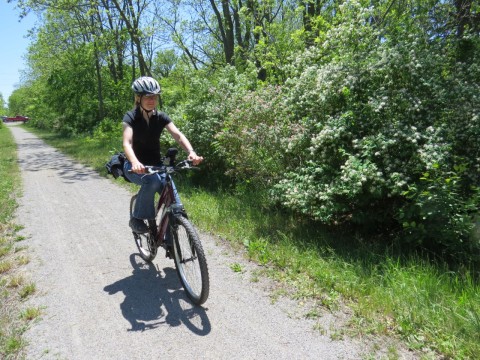
Planning a cycling trip on the Trans Canada Trail can be challenging because conditions vary widely across Canada. While the trail is often promoted as a coast-to-coast route, not every section is equally suited to long-distance cycling. Some areas offer hundreds of kilometres of connected rail trails, while others require road riding, detours, or more advanced navigation.
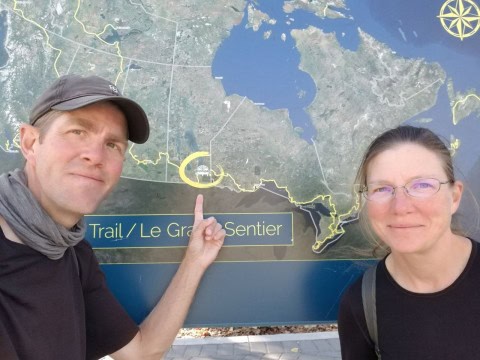
This guide is for touring cyclists, bikepackers, gravel riders, and recreational cyclists looking for the most practical and enjoyable routes. Drawing on firsthand experience obtained during our coast-to-coast journey on the Trans Canada Trail, we focus on the sections where cycling is not only possible but genuinely enjoyable. In this guide, you'll learn which routes offer the best continuity, scenery, services, and overall riding experience.
Key Facts About the Best Trans Canada Trail Cycling Routes
| Region | Best For | Distance | Difficulty | Best Time |
| PEI - Confederation Trail | Beginners & touring | 400+ km | Easy | May - October |
| Quebec - Route Verte | Long-distance & touring | 5000+ km | Easy - moderate | June - September |
| Eastern Ontario Trails | Mixed touring | 500 + km | Moderate | Spring - Fall |
| BC Interior Rail Trails | Mountain biking & touring | Multi-region | Moderate - Hard | June - September |
| Vancouver Island Trails | Scenic Touring | Regional Network | Moderate | Spring - Fall |
Cost Range
- Day rides: low cost
- Multi-day tours: moderate
- Bikepacking trips: flexible depending on accommodations
Accessibility Notes
- PEI and Quebec are the most beginner-friendly, as most routes are gravel or crushed stone surfaces
- BC routes are more rugged and remote, mixing paved routes like the Banff Legacy Trail and remote stretches like the High Rockies Trail
- Some sections of the Trans Canada Trail require road riding between trail networks, such as Northern Ontario and the prairie provinces
Which Trans Canada Trail Section is Best for Beginners?
Prince Edward Island's Confederation Trail is the most beginner-friendly long-distance cycling route connected to the Trans Canada Trail network. Stretching more than 400 kilometres across the province, the former railway corridor offers gentle grades, stable gravel surfaces, and regular access to towns and services.
What makes the route stand out is its continuity. After riding more fragmented sections in Nova Scotia, the difference becomes obvious almost immediately. On PEI, cyclists stop worrying about reconnecting trail sections and simply settle into the rhythm of moving forward.
The trail passes through:
- Charlottetown
- Georgetown
- Souris
- Montague
- Tignish
- Elmira
Along the way, riders experience rolling farmland, red sand coastal scenery, small fishing communities, and quiet inland forests. Services are frequent enough that daily logistics remain manageable even for newer touring cyclists.
Because the route follows a former railway line, climbs are gradual and predictable. That makes it especially well suited for:
- first-time bikepackers
- family cycling trips
- gravel touring
- multi-day touring vacations
Many riders also combine sections of the Confederation Trail with the Island Walk network to extend their journey around the province.
Unlike many parts of the Trans Canada Trail, PEI delivers the experience people often imagine when they first hear about a national cycling route: long distances, low stress, and uninterrupted movement through changing landscapes.
External Resources:

What Are the Best Long-Distance Cycling Routes on the Trans Canada Trail?
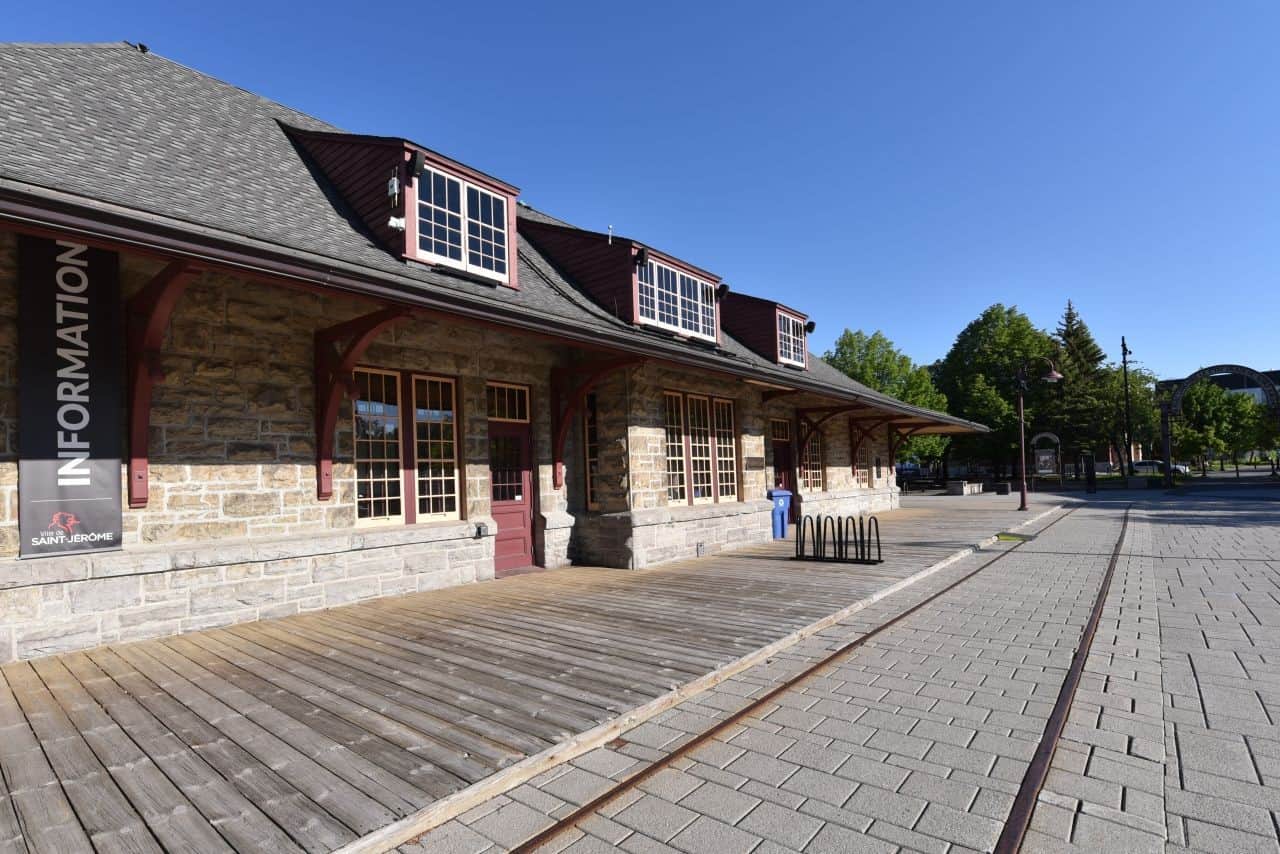
Quebec offers some of the strongest long-distance cycling infrastructure anywhere on the Trans Canada Trail network. In particular, through the Route Verte system, cyclists can connect hundreds of kilometres of rail trails, regional pathways, and rural cycling corridors into extended multi-day journeys.
One of the highlights is the P'tit Train du Nord, a 236-kilometre trail running through the Laurentian region north of Montréal. The route follows a former railway line through forests, lakes, rivers, and small resort communities, and it has been voted one of the best Canadian cycling routes.
In our opinion, what makes Quebec different is not simply the quality of individual trails. It is the way they connect. Cyclists can ride for days with relatively few interruptions while maintaining access to:
- accommodations
- restaurants
- repair services
- grocery stores
- public transportation
In addition, the surfaces are generally reliable, signage is strong, and cycling infrastructure is integrated into daily life in many communities. In many ways, Quebec functions as the backbone of long-distance cycling on the Trans Canada Trail.
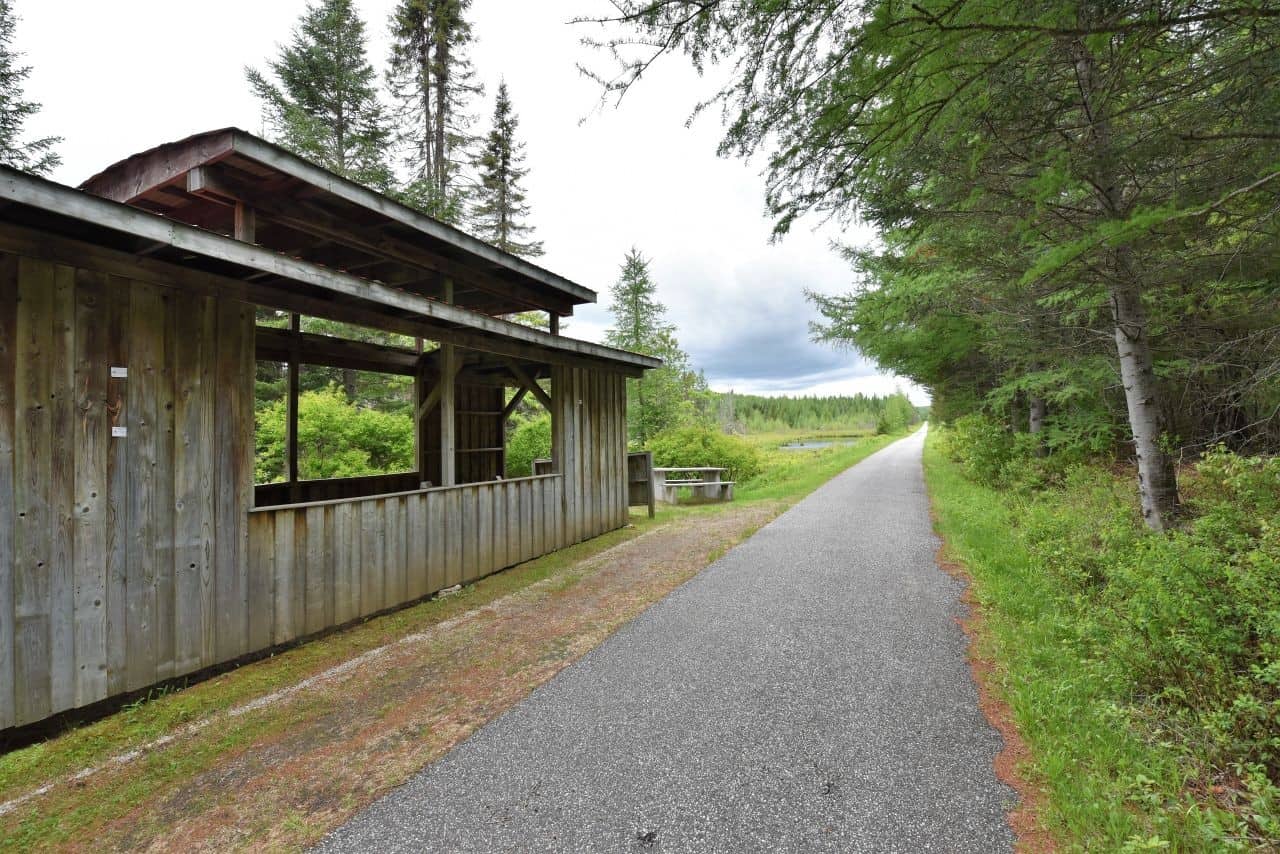
The continuity continues into Eastern Ontario through routes such as:
- Ottawa Valley Recreation Trail
- Prescott-Russell Trail
- Capital Pathway network
- Cataraqui Trail
Together, these systems create one of the most practical regions in Canada for extended touring.
We first began consistently using trekking carts in this part of the country because the terrain supported it. Movement felt efficient rather than exhausting, and long distances became easier to sustain day after day. That continuity matters more than almost anything else when planning a long-distance cycling trip.
External Resources:
What Are the Best Adventure Cycling Routes on the Trans Canada Trail?
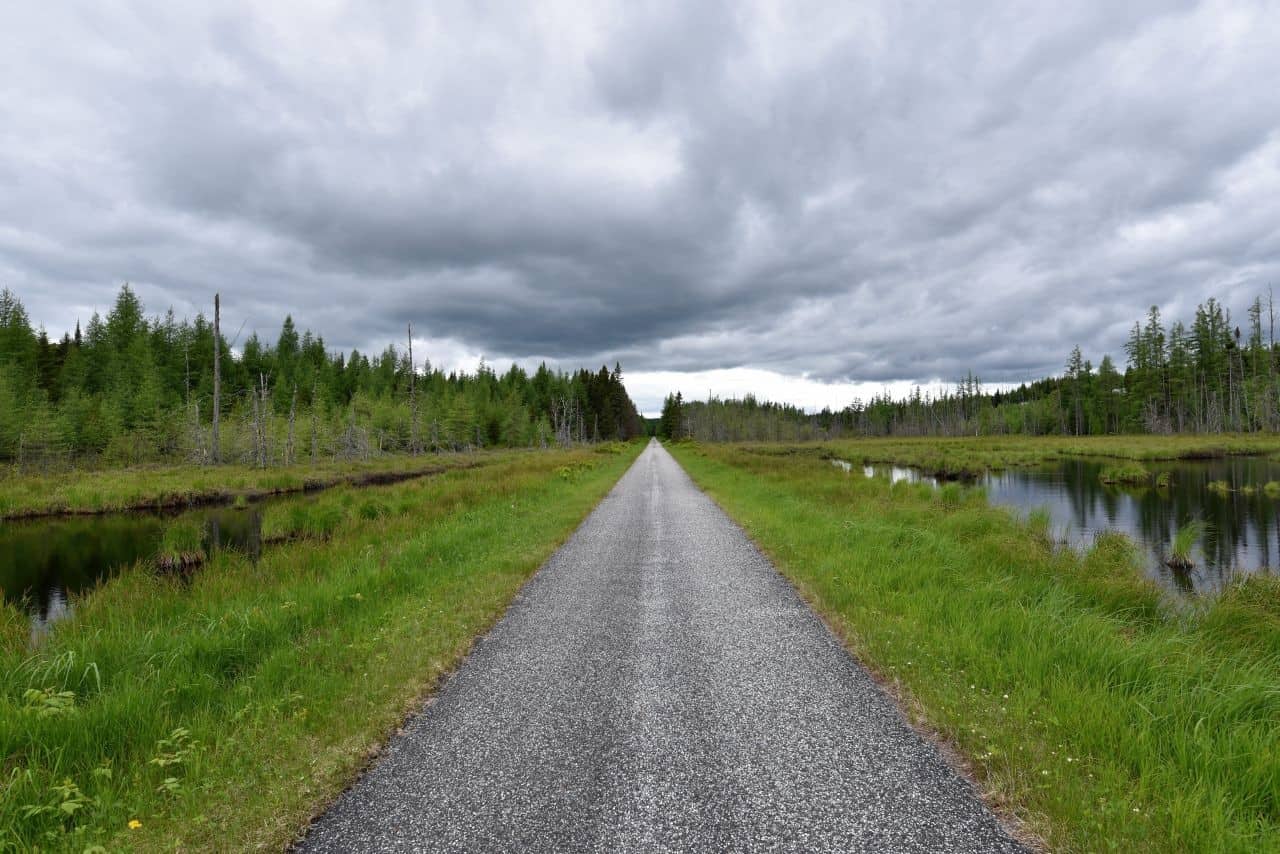
British Columbia's Interior contains some of the most rewarding - and most demanding - cycling routes connected to the Trans Canada Trail.
Unlike the smoother rail trails of PEI and Quebec, these routes move through mountain valleys, forests, historic railway corridors, and remote communities shaped by resource industries and rugged terrain.
Key routes include:
- Kettle Valley Railway
- Columbia and Western Trail
- Elk Valley Trail
- North Star Rails to Trails
- Chief Isadore Trail
Together, they form one of the most compelling gravel touring and bikepacking regions in Canada.
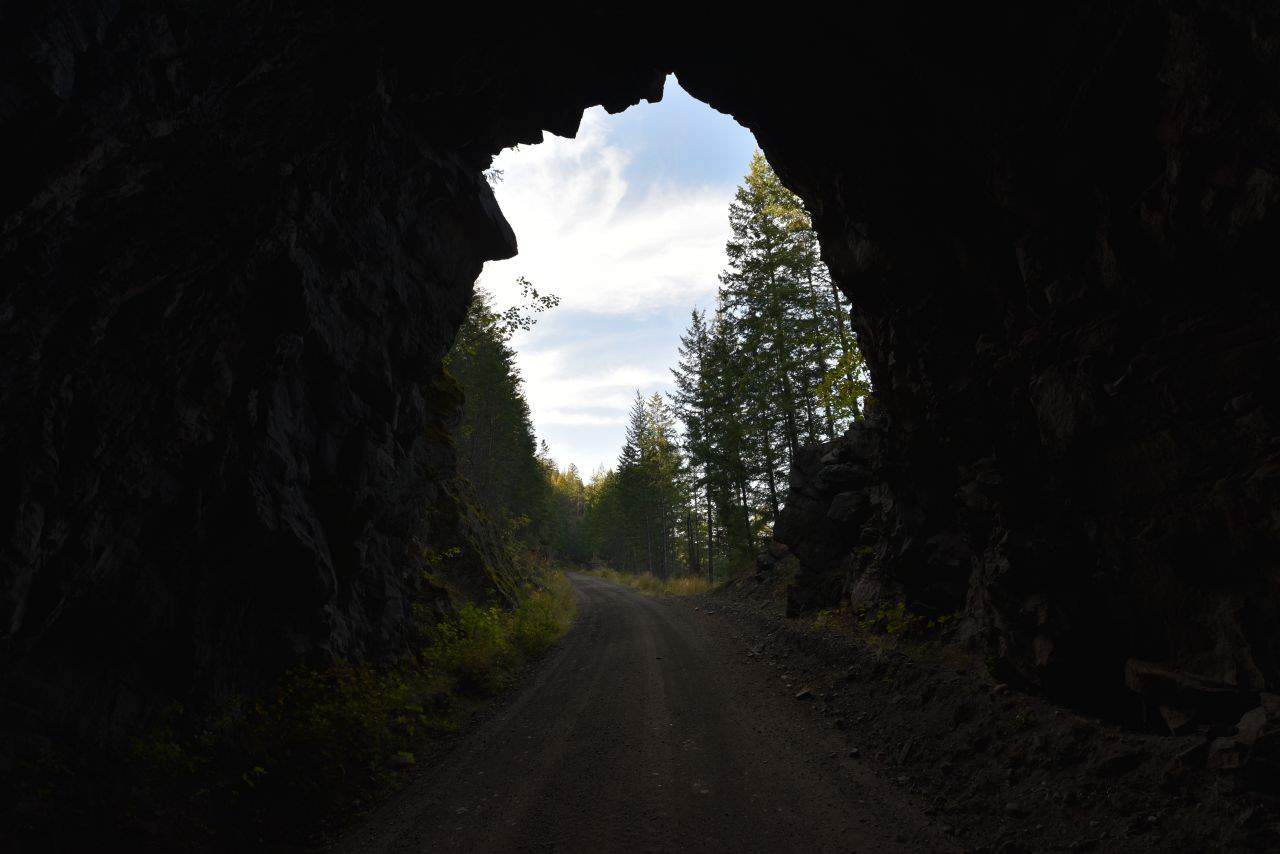
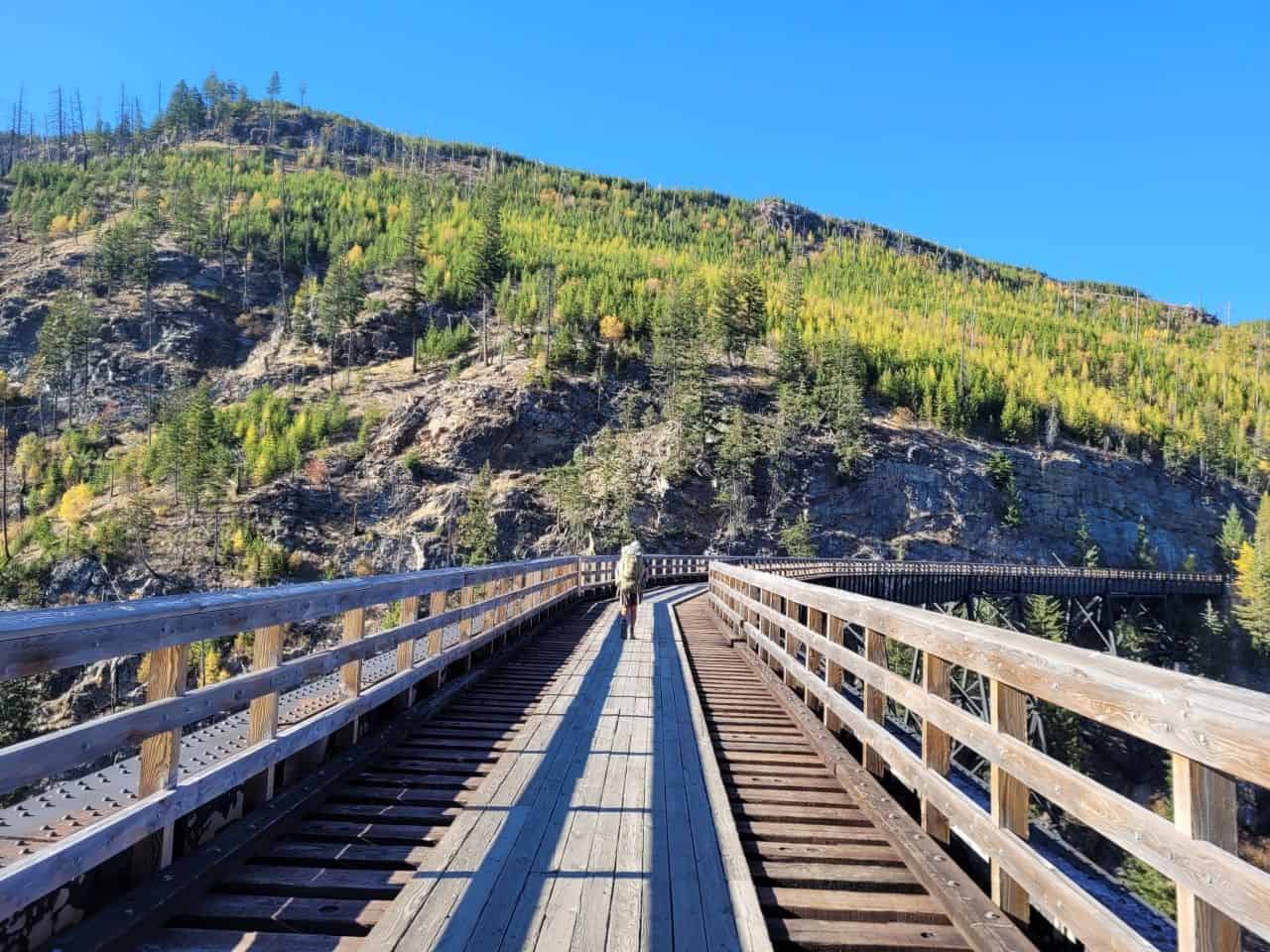
The Kettle Valley Railway is the best known. The route stretches across southern British Columbia through tunnels, trestles, canyon crossings, and dry interior landscapes. Near Kelowna, the Myra Canyon section carries cyclists across dramatic wooden trestles suspended high above the valley floor.
But what makes these routes memorable is not only the scenery. It is the sense of scale and immersion.
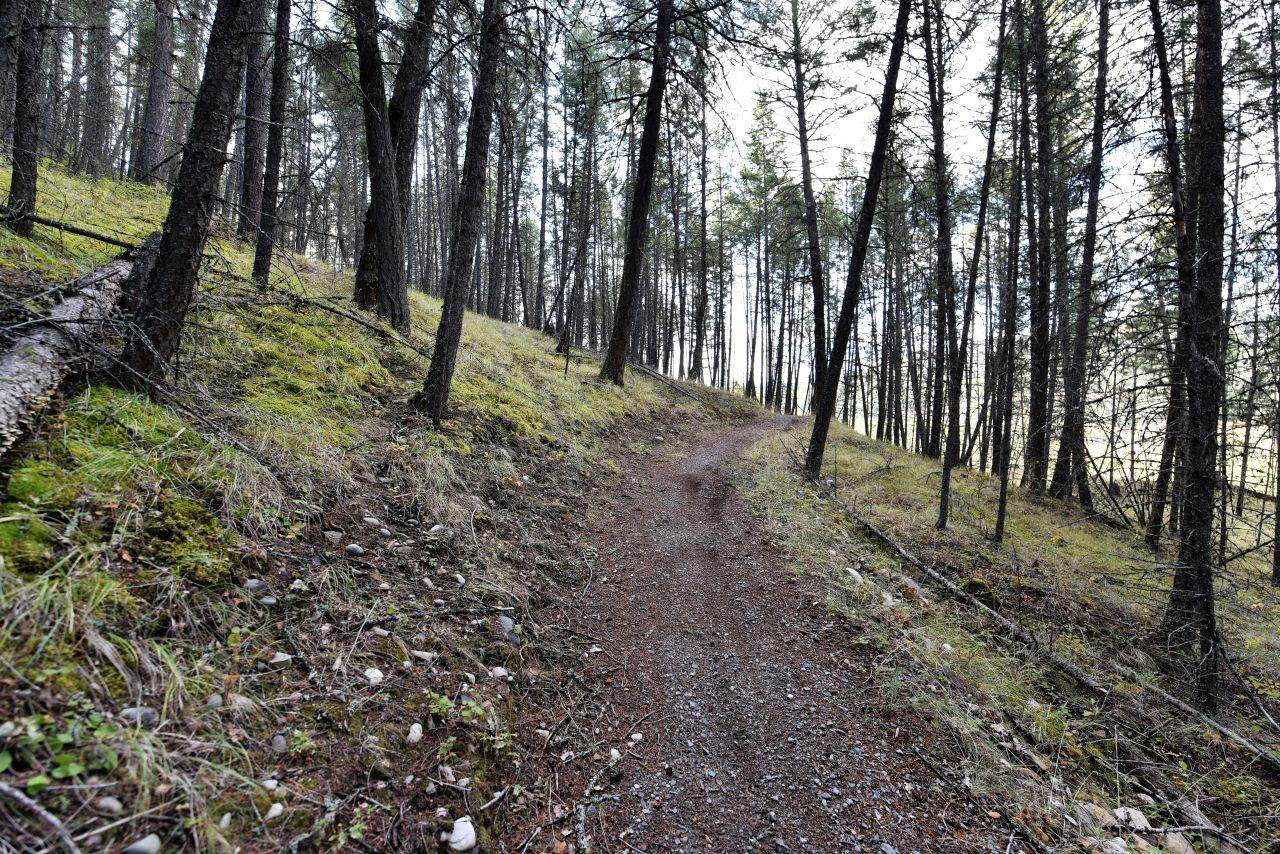
Days can pass between major urban areas. Surfaces shift between compact gravel, rougher forestry roads, and active resource corridors. Climbs are longer. Weather conditions change quickly. Wildfires and floods occasionally force detours onto highways.
And yet the routes generally hold together.
Even where sections become more technical, riders are usually able to maintain forward progress without constantly abandoning the trail system.
In particular, the BC interior offers some of the strongest cycling experiences in the country for experienced cyclists seeking:
- gravel touring
- bikepacking
- remote riding
- mountain landscapes
- long rail trail corridors
External Resources:
Which Trans Canada Trail Sections Offer the Best Scenic Riding?
Vancouver Island offers one of the strongest finishing sections for cyclists heading west across Canada. After the fragmented riding conditions found through parts of the Fraser Valley, the island returns to something more connected and intuitive. The Cowichan Valley Trail forms a central spine that links into the Galloping Goose and Lochside Trails approaching Victoria.
These routes are:
- clearly marked
- heavily used
- relatively accessible
- scenic without being overly difficult
Cyclists move through forests, farmland, coastal inlets, and small Vancouver Island communities while remaining largely separated from heavy vehicle traffic. There are still rougher stretches south of Nanaimo and occasional road connectors, but overall the route maintains continuity far better than many mainland sections.
Atlantic Canada also offers several excellent shorter coastal experiences.
Nova Scotia's Celtic Shores Coastal Trail follows the western coast of Cape Breton Island between Port Hastings and Inverness. The route combines:
- ocean views
- fishing villages
- beaches
- Celtic culture
- relatively easy riding conditions
While shorter than some of the country's major touring routes, it remains one of the most scenic cycling sections connected to the Trans Canada Trail network.
External Resources:

Can You Cycle the Entire Trans Canada Trail?
The Trans Canada Trail is a multi-use trail that includes waterways and paddling routes, dedicated hiking trails, and multi-use trails. As such, it does not provide one continuous cycling experience.
While many sections are designated as part of the national trail system, continuity varies significantly between provinces and regions. Some sections provide excellent long-distance riding, while others require cyclists to navigate highways, urban streets, rough terrain between disconnected trail segments, or the take alternate routes around waterways.
In practical terms, the best approach is not to think of the Trans Canada Trail as a single route from coast to coast. Instead, it is more useful to view it as a network of outstanding regional cycling experiences connected by varying levels of infrastructure.
The strongest cycling sections tend to share several characteristics:
- long uninterrupted distances
- stable trail surfaces
- regular community access
- manageable logistics
- lower traffic exposure
Where those elements align, the Trans Canada Trail becomes something exceptional. Where they do not, cycling often becomes slower, more fragmented, and more dependent on route planning and adaptation.
External Resources:
Frequently Asked Questions About Cycling the Trans Canada Trail
What is the best province for cycling the Trans Canada Trail?
Prince Edward Island and Quebec are widely considered the best provinces for cycling on the Trans Canada Trail. Prince Edward Island offers the beginner-friendly Confederation Trail, while Quebec provides extensive route options through the Route Verte network. Both regions feature connected trails, reliable surfaces, regular services, and communities that actively support cycling tourism.
Is the Trans Canada Trail fully connected for cyclists?
No, the Trans Canada Trail is not fully connected as a continuous cycling route across Canada. While some regions offer long, uninterrupted sections of trail, others require cyclists to use roads, highways, or alternate routes to bridge gaps. Trail conditions, connectivity, and accessibility vary significantly between provinces and local trail networks.
What type of bike works best on the Trans Canada Trail?
A gravel bike, touring bike, or hybrid bike is the best choice for most Trans Canada Trail routes. Many sections feature crushed stone, gravel, or mixed surfaces rather than pavement. Wider tires provide better comfort and stability, especially on longer rides. Riders planning remote or rugged sections may also prefer a mountain bike.
Which Trans Canada Trail routes are best for beginners?
The Confederation Trail in Prince Edward Island and many sections of Quebec's Route Verte are excellent choices for beginners. Both offer gentle grades, predictable surfaces, and regular access to towns, accommodations, and services. These routes allow new touring cyclists and bikepackers to build confidence without dealing with difficult terrain or complex navigation.
When is the best time to ride the Trans Canada Trail?
The best time to cycle most sections of the Trans Canada Trail is between late spring and early fall. June through September generally provides the most reliable weather, longer daylight hours, and fully available tourism services. Conditions vary by region, with some coastal and southern routes becoming accessible earlier in the season.
Is bikepacking possible on the Trans Canada Trail?
Yes, many sections of the Trans Canada Trail are well suited for bikepacking. Popular regions include British Columbia, Quebec, Prince Edward Island, and Eastern Ontario, where cyclists can travel for multiple days while accessing campgrounds, accommodations, and community services. Proper route planning is still important, especially in remote areas with fewer facilities.
Are there places to camp along the routes?
Yes, many Trans Canada Trail routes pass near campgrounds, provincial parks, private campgrounds, and other overnight accommodations. Cyclists can often choose between camping, hotels, inns, and bed-and-breakfasts depending on the region. Prince Edward Island and Quebec are particularly well equipped for touring cyclists seeking regular overnight options.
How long does it take to cycle the Trans Canada Trail?
Cycling the entire Trans Canada Trail is not currently possible as one continuous off-road route because some sections require road connections or alternate transportation. Most cyclists instead focus on regional sections. Depending on the route, trips can range from a single day ride to multi-week or several month touring adventures covering hundreds of kilometres.
"Life is like riding a bicycle. To keep your balance, you must keep moving."
by Albert Einstein
What Local Experiences Can Cyclists Expect Along the Way?
One of the greatest rewards of cycling the Trans Canada Trail is discovering how quickly Canada's character changes as you move from one region to the next. The landscapes evolve, but so do the communities, traditions, and daily rhythms that shape the journey.
In Atlantic Canada, the trail often feels closely tied to the coast. Riders pass through fishing villages where lobster boats fill the harbours, stop at family-run seafood restaurants, and encounter the strong Celtic influences that remain part of everyday life in many communities. Long summer evenings, coastal scenery, and warm-water beaches add to the relaxed pace of riding in the region.
Quebec offers a distinctly different experience. Routes frequently connect historic villages, riverside towns, and former railway communities where cycling is deeply woven into local culture. A day on the trail might include fresh pastries from a neighbourhood bakery, lunch at a village café, and an overnight stay in a restored railway station or inn. Combined with mountain landscapes and well-developed cycling infrastructure, the region creates one of Canada's most immersive touring experiences.
In Eastern Ontario, cyclists travel through a landscape shaped by forests, wetlands, farmland, and historic waterways. Many routes pass through heritage towns connected to the Rideau Canal and Ottawa Valley, where local museums, markets, and waterfront communities provide natural stopping points between longer stretches of trail.
Further west, the sense of scale becomes increasingly dramatic. Across the Prairies, expansive skies and open landscapes create a feeling of distance that is unique in Canada. In British Columbia, the trail network climbs into mountain valleys, follows historic railway corridors, and passes through communities shaped by mining, forestry, ranching, and Indigenous history. Here, the journey often feels less like travelling between towns and more like moving through entire ecosystems.
One of the strengths of the Trans Canada Trail is that many of these experiences remain accessible from major urban centres such as Halifax, Montréal, Ottawa, Winnipeg, Saskatoon, Kelowna, and Victoria. Yet it is often the smaller communities between those cities that leave the strongest impression.
For many cyclists, the trail becomes more than a route across Canada. It becomes a journey through the country's regional cultures, local histories, and everyday communities - experiences that are difficult to appreciate fully from a car or train. The slower pace of cycling creates opportunities to connect with places that many travellers simply pass through.

Summary: Are the Best Trans Canada Trail Cycling Routes Worth Exploring?
If you're looking for the best Trans Canada Trail cycling routes, focus on Prince Edward Island, Quebec, Eastern Ontario, British Columbia, and Vancouver Island. These regions offer the most reliable combination of connected trails, scenic landscapes, and cyclist services, making them some of the strongest long-distance cycling destinations in Canada. The Trans Canada Trail is not one continuous experience. But where the route works for cycling, it can be exceptional.
When you subscribe to the blog, we will send you an e-mail when there are new updates on the site so you wouldn't miss them.
About the author










Comments