
Seeker Bio
Canadian Caminos: Pilgrimage Routes in Canada

What Are Canadian Caminos and Where Can You Walk Them?
Canadian Caminos are long-distance walking routes across Canada inspired by the Camino de Santiago in Spain. They combine cultural, spiritual, and nature-based experiences for hikers of all levels.
Based on our four-year journey across Canada on the Trans Canada Trail, this guide highlights the most established Camino-style routes, along with practical planning tips, seasonal advice, and what to expect on the trail.
Why Walk a Canadian Camino?
Walking a Canadian Camino allows you to slow down, immerse yourself in nature, and explore Canada's diverse landscapes. Less crowded than the famous Camino de Santiago in Spain, Canada's pilgrimage trails offer nature-centered experiences that blend culture, history, pilgrimage, and time outdoors without the cost and time required for overseas travel. These trails are perfect for:
- Hikers seeking multi-day walking adventures without leaving the country
- Families looking for safe, scenic routes with accessible stages
- Spiritual seekers wanting reflective or pilgrimage-style experiences
- Nature lovers looking for trails through forests, coastal scenery, and rural landscapes
From our four-year cross-Canada hike, we can attest that the rhythm of daily walking provides clarity, reflection, and a unique connection to the land. Each Canadian Camino allows time to unplug, explore local culture, and experience Canada's natural beauty in a way that no virtual adventure can replicate.
"A walk in nature,
by Mary Davis
walks the soul back home."
Key Facts About Canadian Caminos
- Location: Nova Scotia, Prince Edward Island, Ontario, Manitoba, Quebec
- Best Time to Go: May - October (spring to fall)
- Cost Range: Free to moderate; accommodations $20 - $150/night
- Time Needed: Single day to multiple weeks depending on the route
- Accessibility: Some trails are urban or city-adjacent, others rural; many are divided into manageable segments

Popular Canadian Camino Routes
The Way of Stella Maris, Nova Scotia
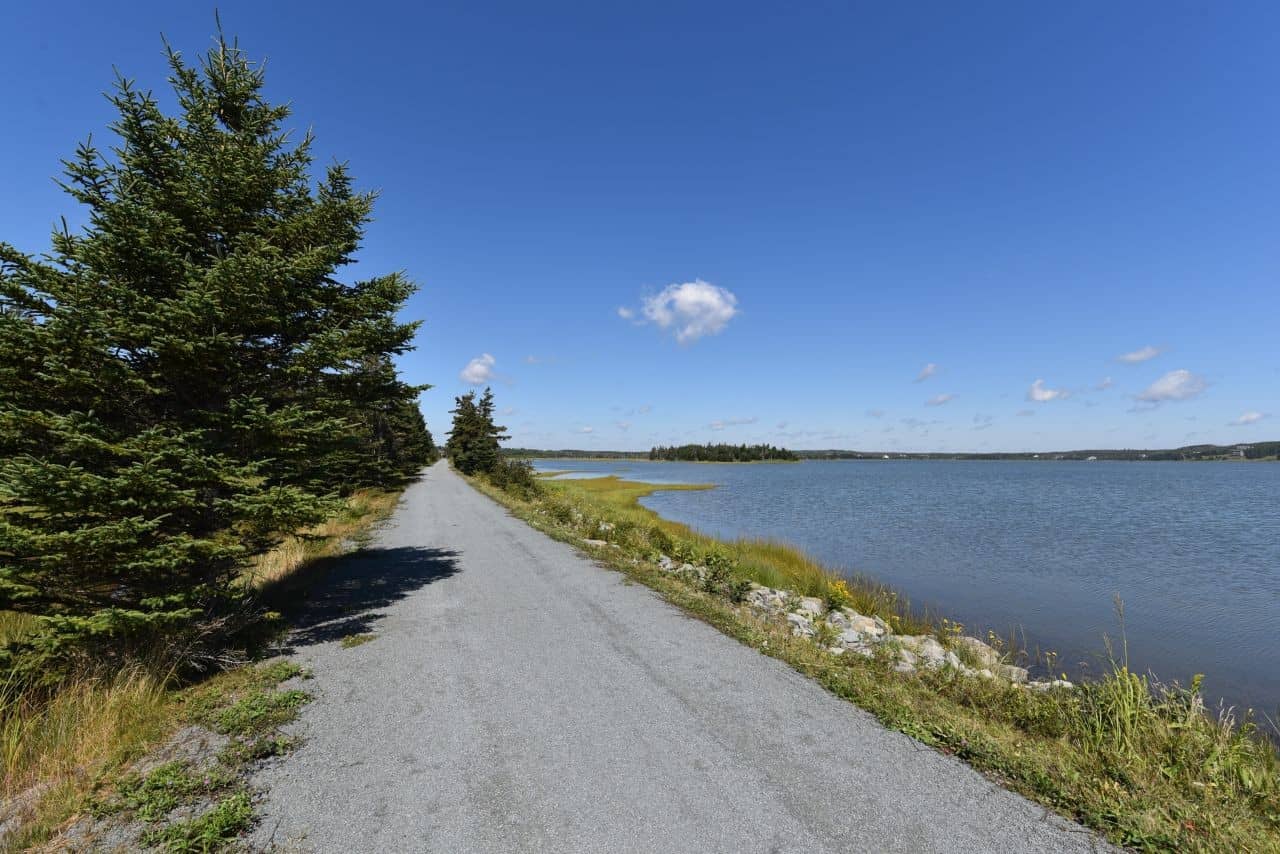
The Way of Stella Maris is a 110 km pilgrimage from Musquodoboit Harbour to Saint Mary's Cathedral Basilica in Halifax, Nova Scotia. Inspired by the Camino de Santiago, it combines spiritual reflection with Nova Scotia's tranquil landscapes. Walkers pass through the Musquodoboit Valley's forests, rivers, and farmlands before following coastal trails along the Eastern Shore of the Atlantic Ocean.
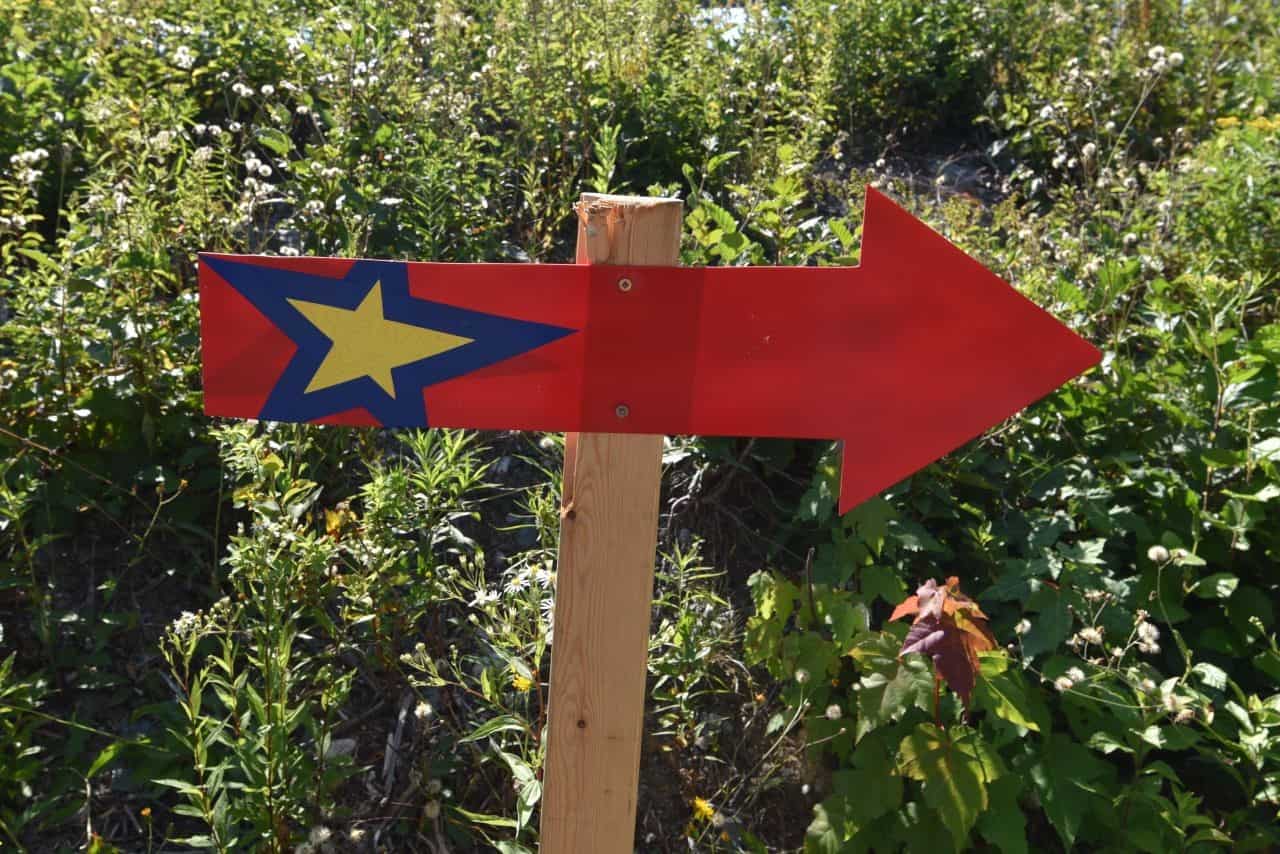
From personal experience walking the Way of Stella Maris over three days in late spring, the forested sections were incredibly peaceful, while the coastal vistas offered expansive, calming views. The Stella Maris arrows guide the route effectively, but we recommend carrying a physical map to ensure smooth navigation. Local accommodations such as B&Bs in Middle Musquodoboit provided opportunities to connect with the community and enjoy homemade meals - an unexpected highlight of the journey.
The Way of Stella Maris is ideal for pilgrims and hikers seeking reflection, cultural encounters, and serene landscapes. Spring and fall provide the best weather and fewer crowds, making it perfect for contemplative walking. The Saint Benedict Parish in Halifax also organizes an annual group hike of the Way of Stella Maris, which offers spiritual guidance, phyiscal support for the walk, and a more social experience.

Camino de la Isla, Prince Edward Island
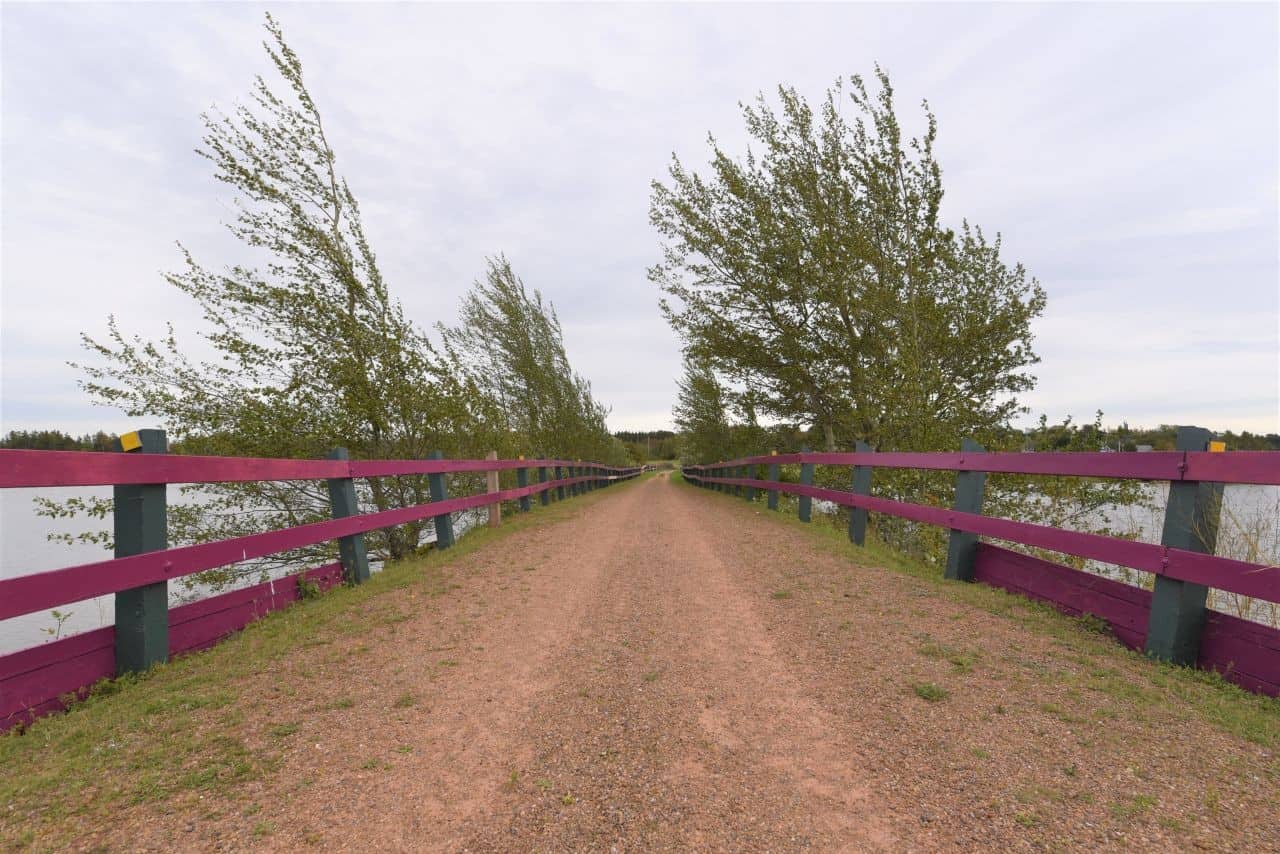
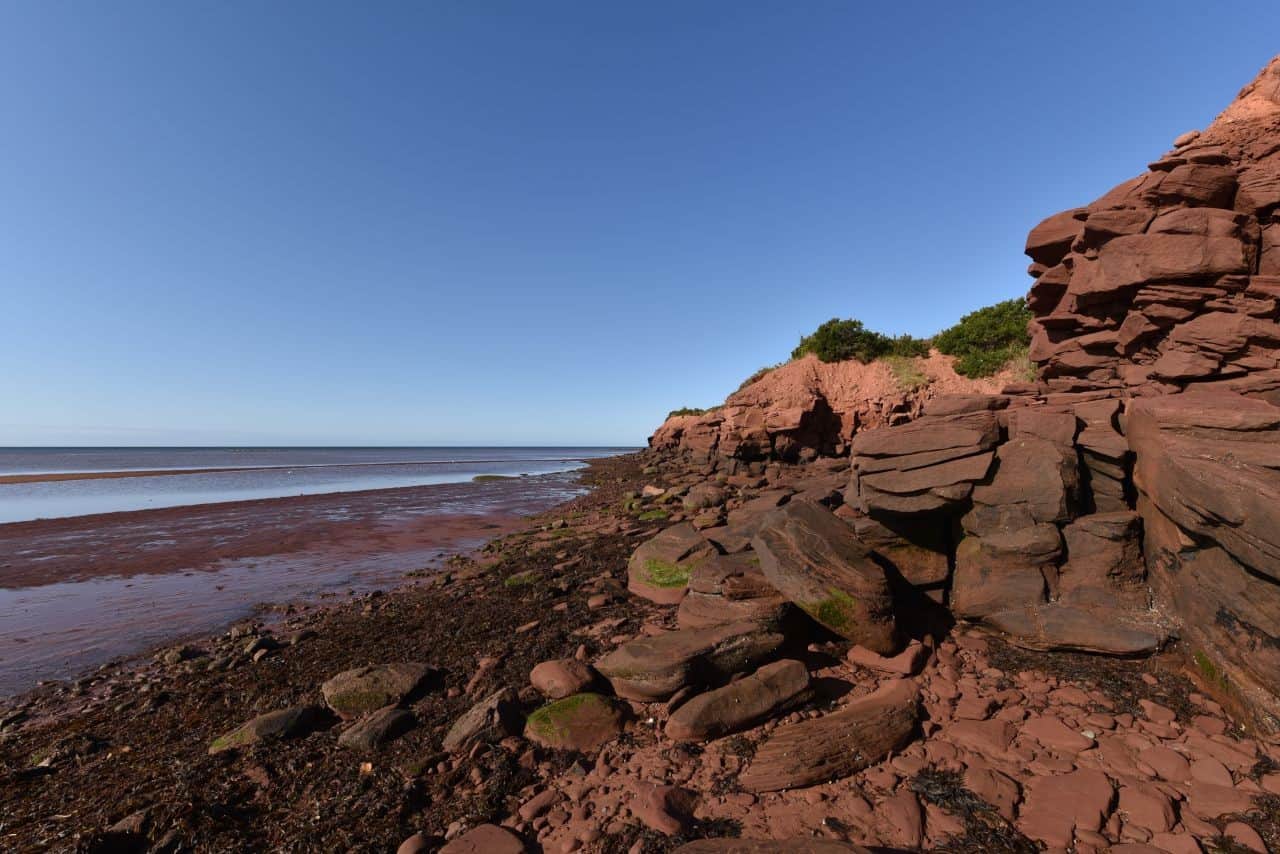
The Camino de la Isla, or Island Walk, is a 700 km circular pilgrimage around Prince Edward Island, Canada. Created by Bryson Guptill, the trail is divided into 32 stages averaging 25 km each. It highlights PEI's pastoral charm, from farmland and forests to red sand beaches, small towns, and local cuisine.
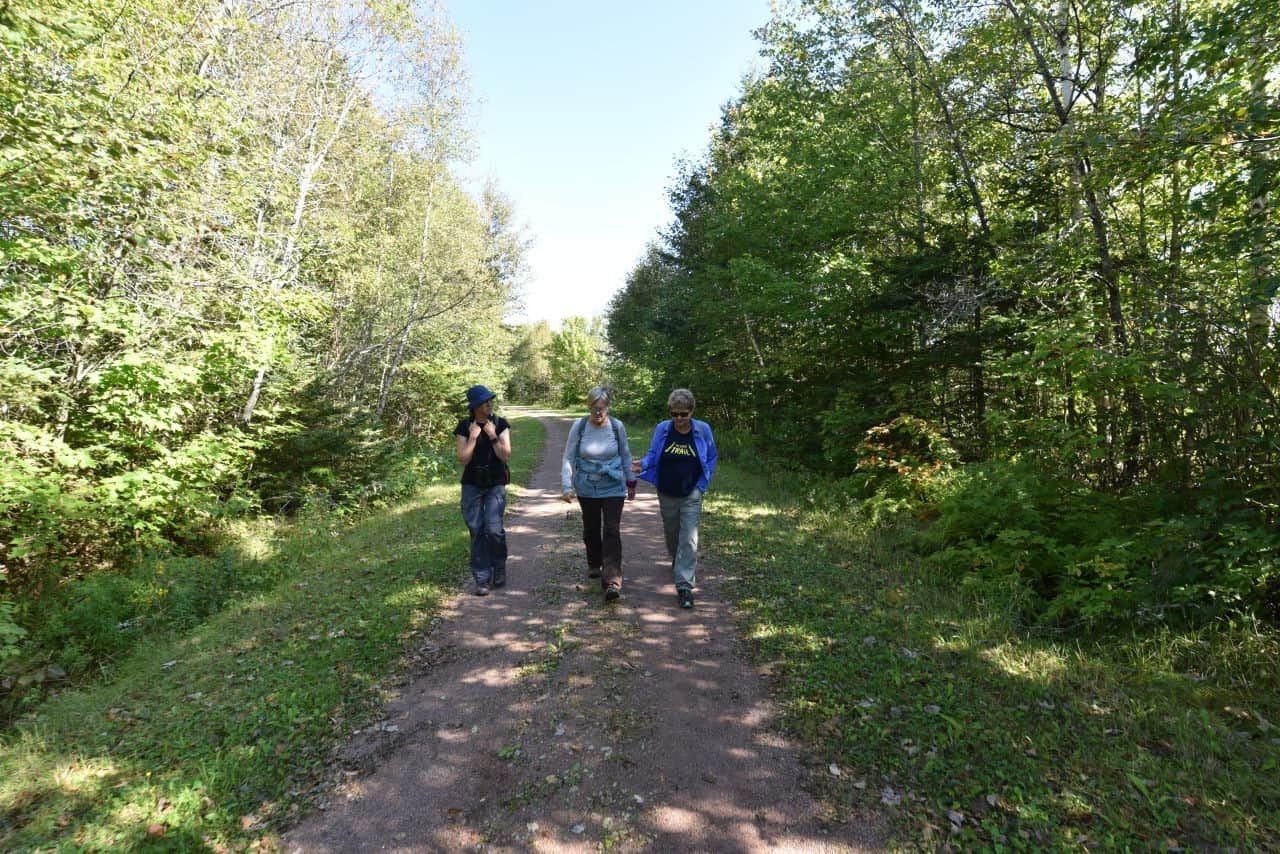
During our multi-stage walk along part of the Island Walk, we found pacing ourselves allowed for full immersion in local culture and natural scenery. Early mornings were perfect for quiet walking, avoiding the midday sun on open country lanes. Portions of the Island Walk overlap with the Confederation Trail, and accessibility and signage on both is generally excellent, making it suitable for both multi-day hikers and those tackling short sections.
The route provides an easy-to-follow structure with guidebooks, maps, and detailed commentary. However, accommodation in B&Bs, campgrounds, and motels is often off-trail, meaning it is important to organize transportation to the start and end points of stages prior to heading out. Summer and fall offer lush landscapes and colorful foliage, enhancing the contemplative experience. Walking portions of the Island Walk was a highlight of our cross-Canada adventure, showcasing the province's beauty in a uniquely reflective way.
Pilgrim Route to Martyr's Shrine, Ontario
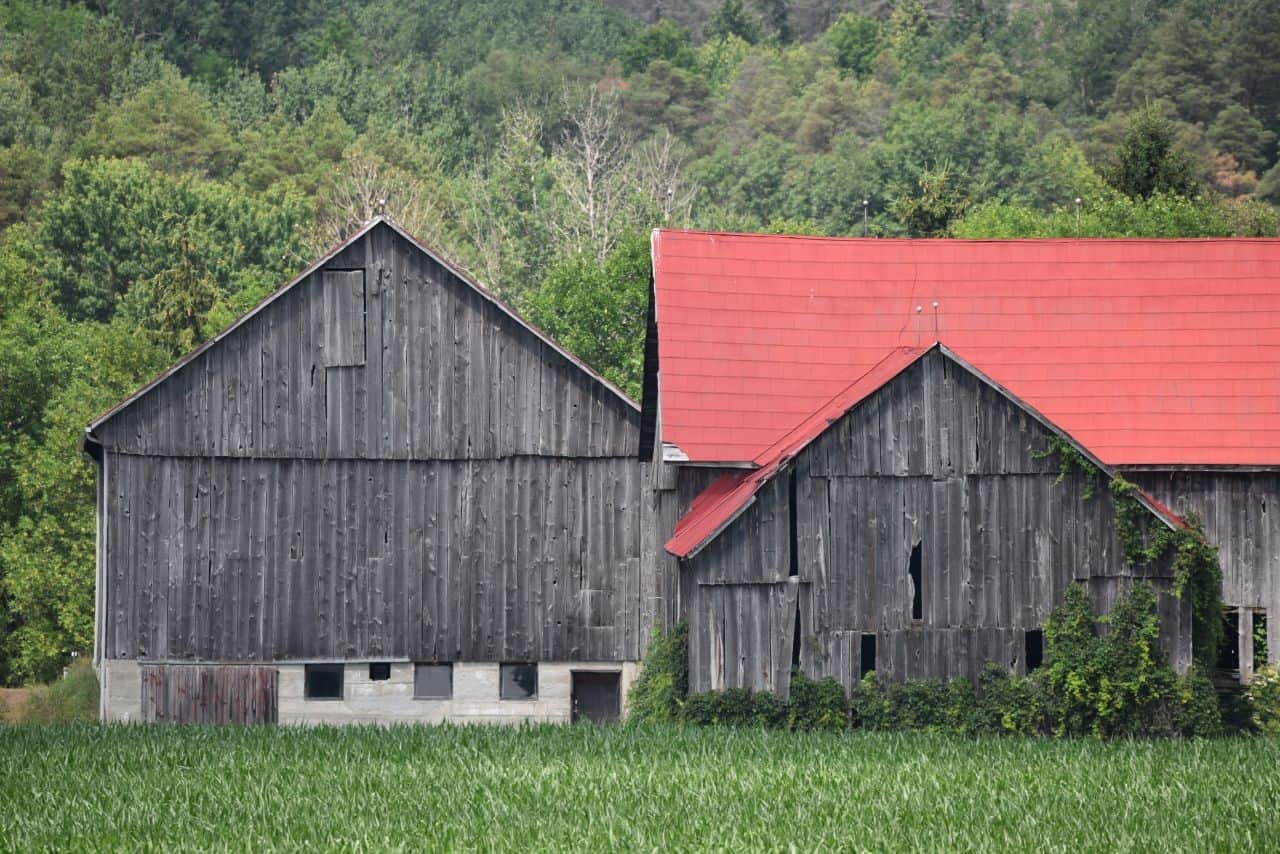
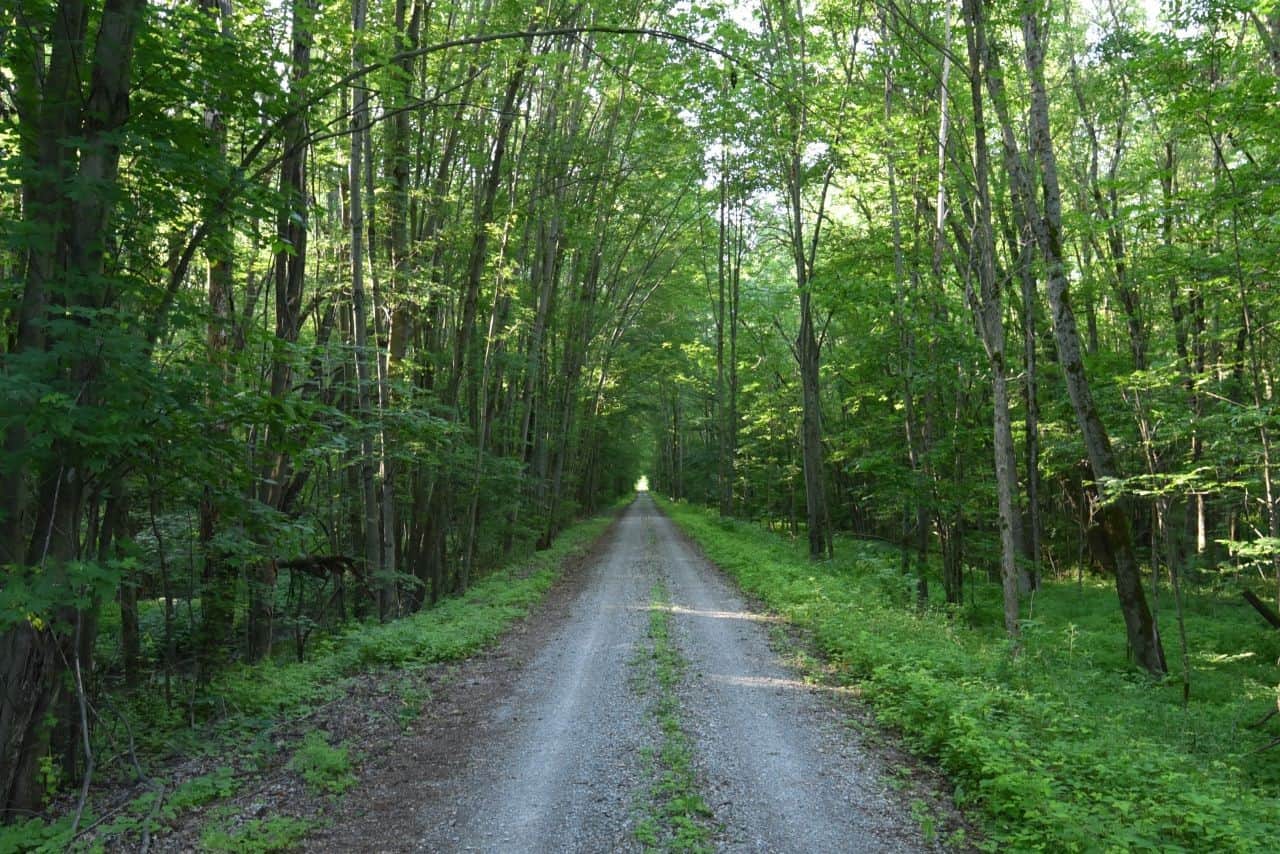
The 89 km Martyr's Shrine pilgrimage route stretches from Barrie to Midland, Ontario, following historical Jesuit missionary paths. Walkers travel along urban pathways and rural trails, including Tay Shore Trail, Oro Medonte Rail Trail, and Uhthoff Trail. Scenic Georgian Bay views, quiet towns, and forested sections offer an excellent mix of reflection and outdoor exercise.
During our three day walk from Barrie to Midland, we appreciated the combination of history and natural beauty. The trail's spiritual aspect is significant, with Martyr's Shrine offering opportunities for meditation and reflection. Official maps and online resources simplify navigation, though carrying a printed copy is recommended in areas with limited cell service. Late spring to early fall offers the best conditions for walking. This route works well for pilgrims, cultural hikers, or anyone seeking to explore scenic long-distance Ontario trails.
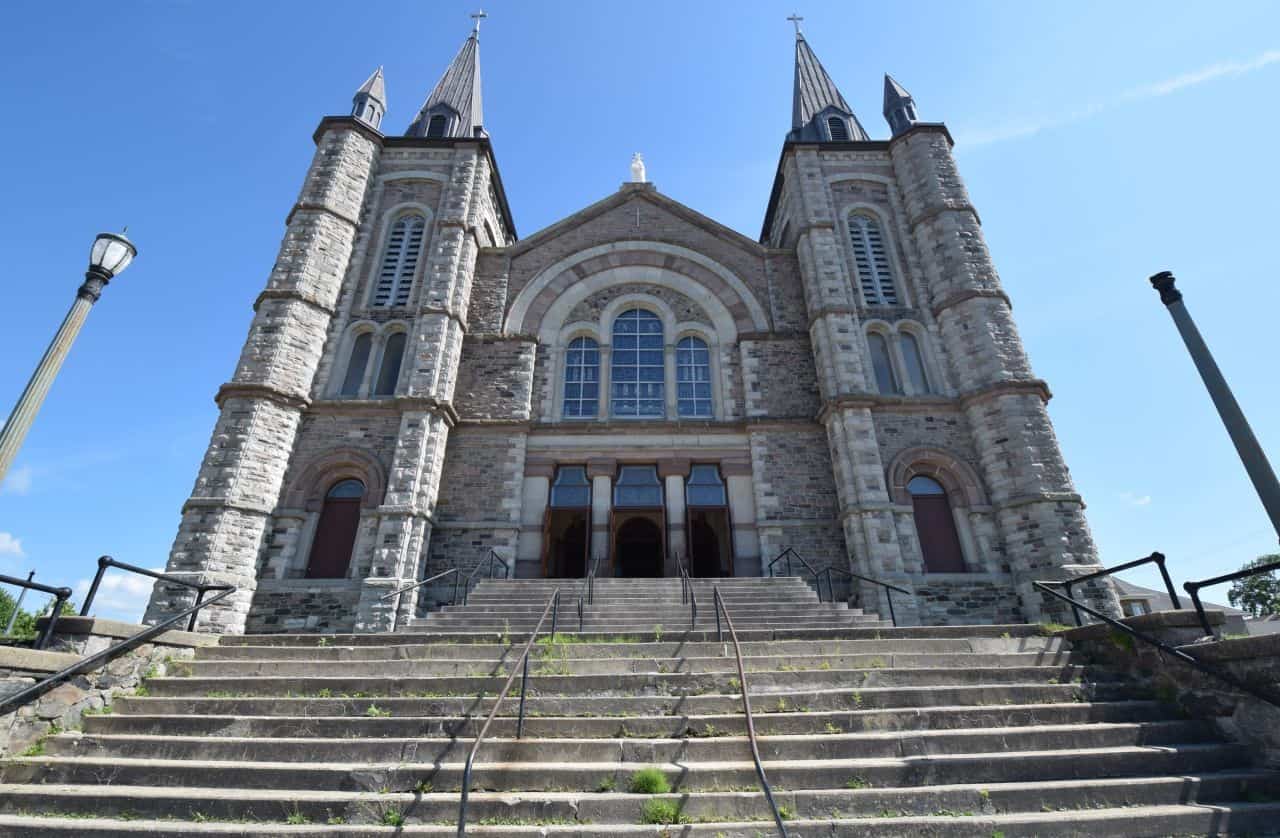
Sudbury Camino, Ontario
The Sudbury Camino is a 30 km urban trail connecting the Kinsmen Sports Complex to Moonlight Beach. Developed with the Sudbury Parks system and Rainbow Routes Association, it winds through city parks, greenspaces, and downtown areas, offering a compact Camino experience. Each year the Rainbow Routes Association organizes a one-day group hike of the event, complete with snacks, water, a Camino Passport with directions and a map, and mulitple starting points offering 15 km or 30 km walks.
In our experience, we found the Sudbury Camino ideal for segmented walks during our cross-Canada hike. Its urban accessibility allows for flexibility: complete it in one day or break it into shorter sections, exploring local attractions and cafes along the way. Selfie stations and certificates of completion add an engaging social element. August is the peak month for organized group walks, but independent hiking is available year-round.
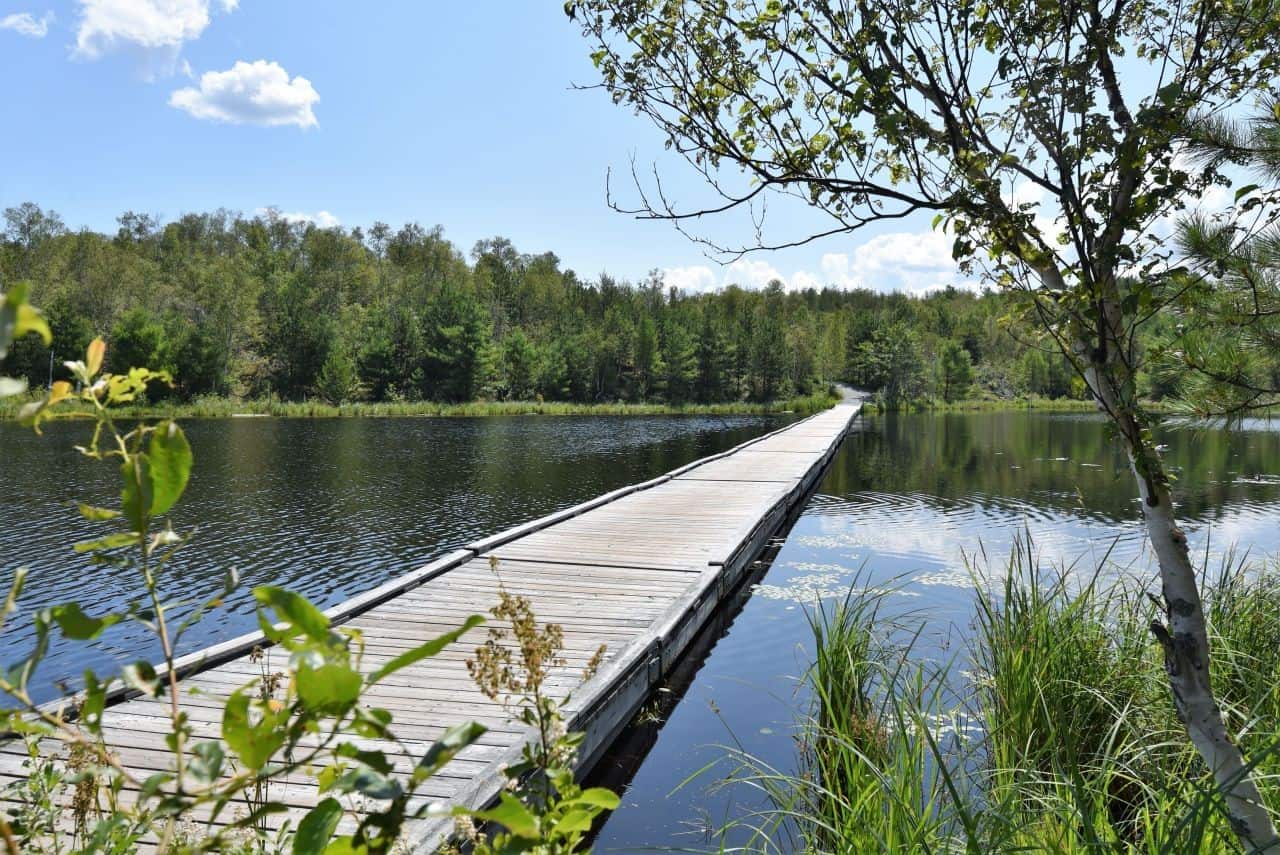
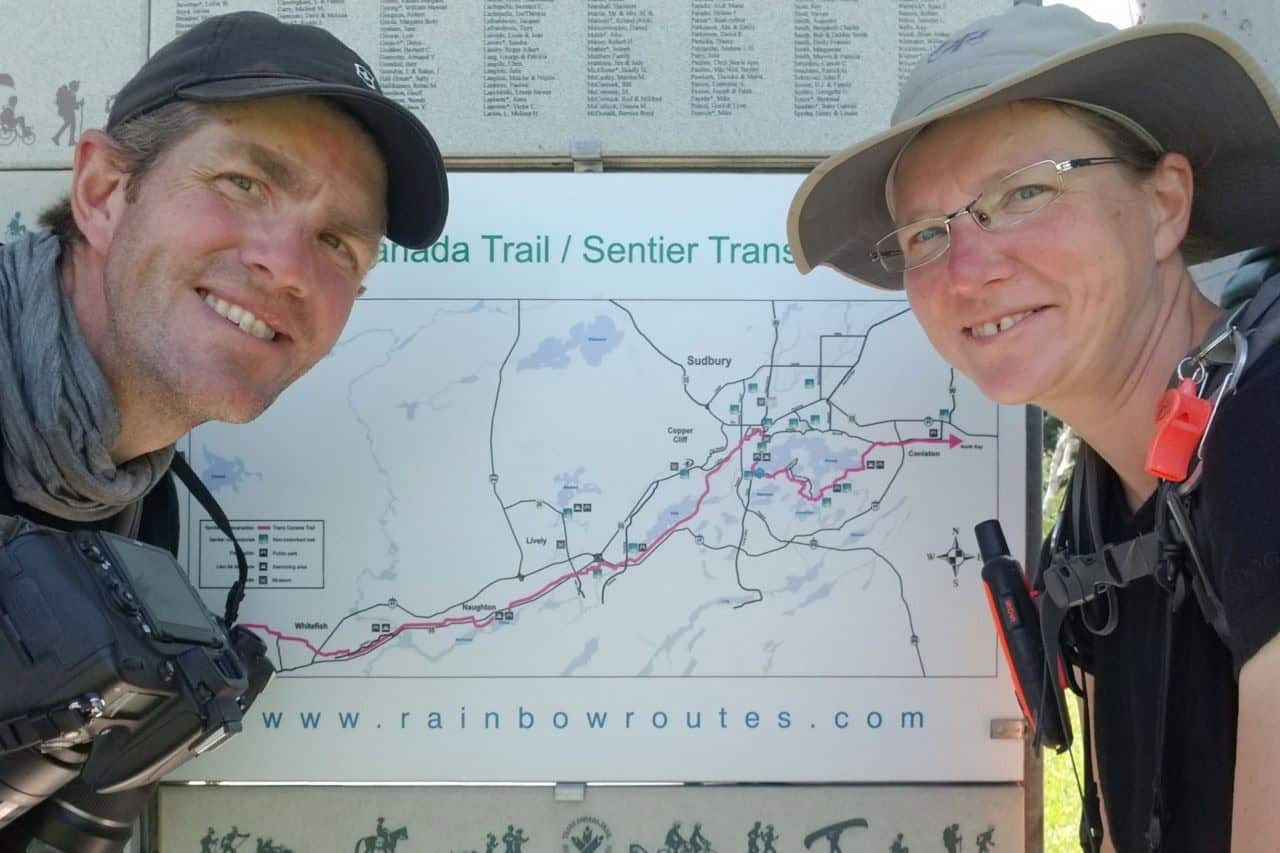
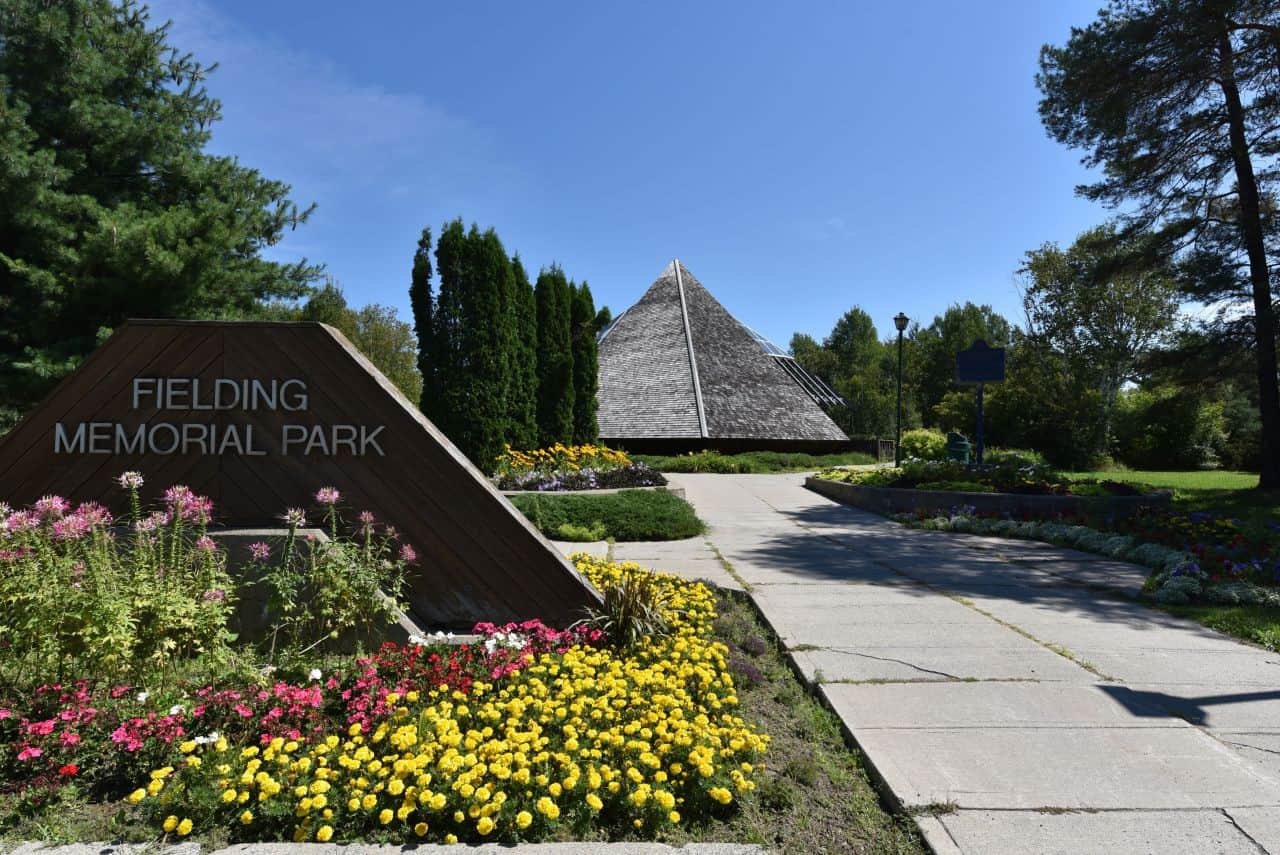
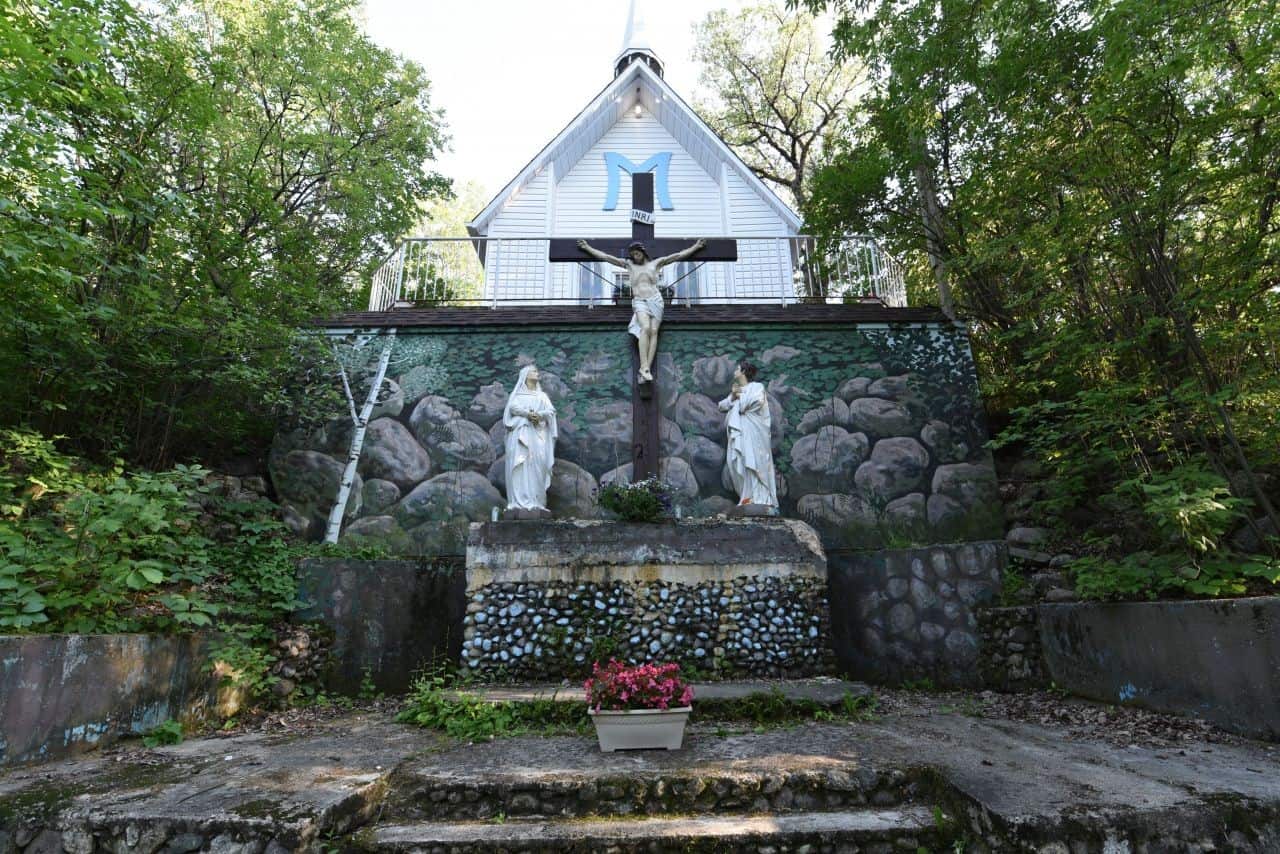
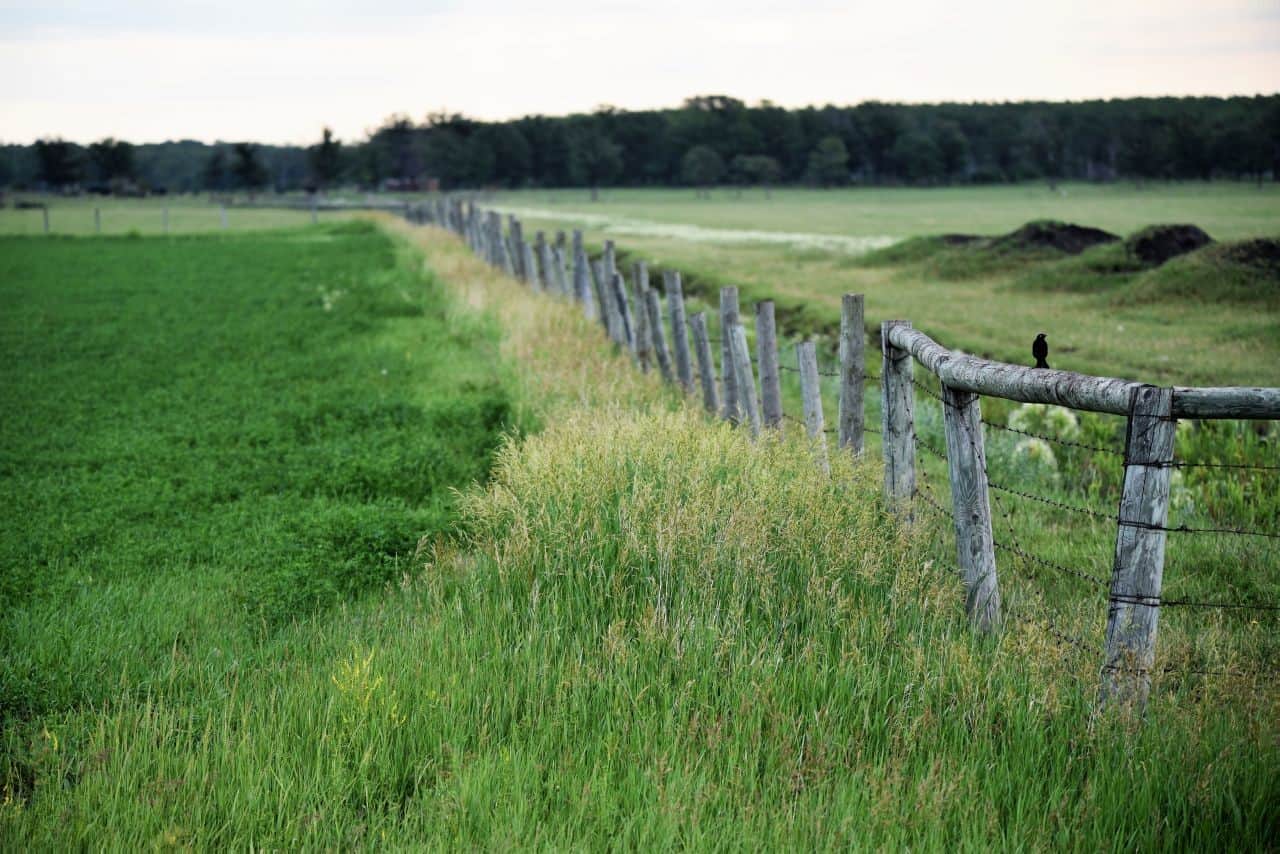
Chemin St. Paul, Manitoba
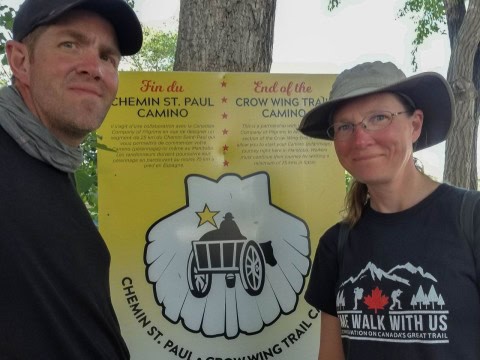
Manitoba's Chemin St. Paul pilgrimage route spans roughly 75 km from Winnipeg to Emerson, Manitoba, blending urban pathways, rural country roads, and riverside trails through provincial parks. The route showcases rural and Metis culture, local churches, and vast prairie landscapes.
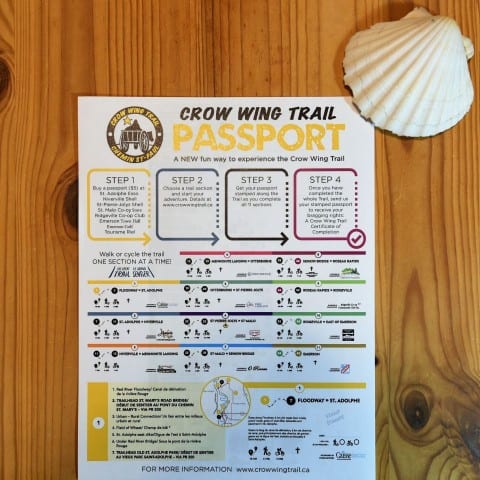
Walking the Chemin St. Paul, or the Crow Wing Camino, allowed us to experience Manitoba's open skies and peaceful trails. The riverside sections outside Winnipeg were especially reflective, offering uninterrupted quiet perfect for journaling and photography. Late spring to early fall is the optimal season, as winter conditions can be severe. The route is suitable for a short pilgrimage or multi-day hike for central Canada residents, and its cultural elements provide a unique Canadian twist on the traditional Camino experience. In our experience, it was well signed and marked, and it is possible to obtain a Camino credential, collect stamps along the route, and receive a certificate of completion from the Crow Wing Trail.

Quebec Caminos
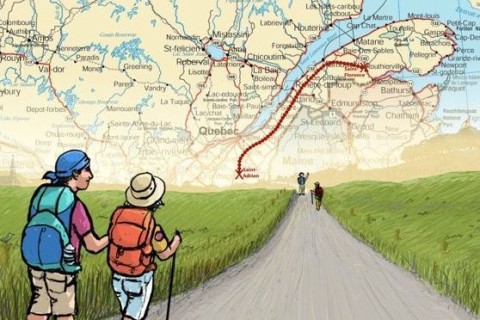
Quebec hosts several established pilgrimage trails: Sentier Notre-Dame Kapatakan, Chemin des Sanctuaries, Chemin des Navigateurs, Chemin de Saint-Remi, and Chemin du Quebec. These routes vary from 215 km to over 1,200 km, traversing urban centers, forests, farmlands, lakes, and coastal areas along the St. Lawrence River.
While we haven't walked Quebec's Camino routes yet, they are among the most extensive and structured in Canada. Many include official pilgrim credentials, organized accommodations, and strong cultural traditions, making them especially appealing for long-distance walkers seeking a European-style Camino experience within Canada.

How to Plan a Canadian Camino
Based on our experience walking the Camino de Santiago and multiple Canadian Caminos, we recommend:
- Choose Your Route Carefully: Consider distance, terrain, and amenities. While many of the routes begin or end near major population centers, public transportation in Canada is not as extensive as it is in Europe. Pre-arranging transit to and from the trailheads is often necessary.
- Pack Smart: Comfortable shoes, water, layered clothing, snacks, and maps.
- Plan Accommodations: B&Bs, hostels, motels, and campgrounds are available along most routes, but they may be some distance off-trail. Pre-planning stages, accommodations, and transportation is recommended prior to setting out.
- Time Your Visit: Spring–fall is ideal; some trails are accessible year-round.
- Consider Guided Options: Organized treks like those on the Way of Stella Maris and Sudbury Camino can enhance safety and social engagement.
FAQs About Canadian Caminos
Are Canadian Caminos suitable for beginners?
Yes, many Canadian Camino routes are well-suited to beginners. Several offer shorter stages, well-marked paths, and access to amenities, making them manageable for first-time walkers. Urban or semi-urban routes are especially approachable, while longer or rural trails may require more preparation, navigation skills, and physical endurance depending on distance and terrain.
How long does it take to complete a Canadian Camino?
The duration varies widely depending on the route and walking pace. Some routes, such as the Sudbury Camino, can be completed in a single day. Others may take several days or up to a few weeks. Longer routes, like the island-wide Camino de la Isla, can take close to a month to complete in full.
Are Canadian Caminos religious or secular?
Canadian Caminos often have historical or spiritual origins, but participation is not limited to religious purposes. Many people walk these routes for personal reflection, cultural interest, physical activity, or connection with nature. The experience is flexible and can be adapted to individual motivations, whether spiritual, recreational, or wellness-focused.
Are Canadian Caminos family-friendly?
Many Canadian Camino routes are appropriate for families, particularly those with shorter distances and accessible terrain. Urban and day-route options tend to be the most suitable, offering services, clear signage, and flexible entry and exit points. Families should still assess route length, weather conditions, and individual ability levels when planning.
What should I bring on a Canadian Camino?
Essential items include sturdy, comfortable walking shoes, weather-appropriate layered clothing, water, and sufficient food or snacks and other hiking gear basics. Navigation tools such as maps or mobile apps are recommended, especially on rural routes. Additional items may include sun protection, a small first-aid kit, and a journal for those interested in documenting their experience.
Are Canadian Caminos accessible by public transportation?
Accessibility depends on the specific route. Urban Caminos are often reachable by public transit and may have multiple access points along the way. In contrast, rural or remote routes may require a personal vehicle, shuttle service, or pre-arranged transportation. It is advisable to review route logistics in advance when planning your trip.
Choosing a Canadian Camino Based on Your Travel Style
If you want a culturally immersive Camino: Quebec is the perfect choice
Routes starting in Montreal follow the St. Lawrence River toward Cap Gaspé. Expect historic villages, churches, and strong pilgrimage traditions. Most people walk between May and October when services are open.
If you want the easiest long-distance Camino: consider exploring Prince Edward Island
The loop around Prince Edward Island, often starting in Charlottetown, is flat and well-marked. It follows the Confederation Trail and passes towns every 20–30 km. This is one of the most accessible long-distance walking routes in Canada.
If you want coastal scenery without crowds: we recommend trying Nova Scotia
Starting in Halifax, Nova Scotia and heading toward the Musquodoboit Valley, about an hour away, this route blends ocean views with inland trails. Spring and fall are popular for cooler temperatures and fewer tourists.
If you want a flexible or shorter Camino: hiking Ontario is our recommendation
Routes between Barrie and Midland follow Georgian Bay, about 90 minutes north of Toronto. The Greater Sudbury Camino offers a shorter, urban option that can be completed in a day.
If you want open landscapes and prairie culture: consider Manitoba
From Winnipeg to Emerson, Manitoba, this route covers about 75 km through prairie communities and vast open landscapes. Summer days are long but can be hot and windy, so early fall is often the most comfortable time to walk.

Summary / Takeaway
Canadian Caminos provide immersive walking experiences across diverse landscapes and cultures. From Nova Scotia's coastal trails to Manitoba's prairies and Quebec's long-distance pilgrimages, each Camino offers reflection, culture, and natural beauty. With planning, proper gear, and seasonal awareness, these trails are accessible, rewarding, and perfect for reconnecting with nature and local heritage.
When you subscribe to the blog, we will send you an e-mail when there are new updates on the site so you wouldn't miss them.
About the author










Comments 1
These are amazing trails for long haul explorers. What a great list. I did not know we had caminos in Canada until I met you.