
Seeker Bio
What Is It Like to Hike the Kabeyun Trail in Sleeping Giant?

What Is It Like to Hike the Kabeyun Trail in Sleeping Giant Provincial Park Thunder Bay Ontario?
Hiking the Kabeyun Trail in Sleeping Giant Provincial Park means navigating a rugged backcountry route with forest paths, rocky shoreline, steep climbs, and remote campsites along Lake Superior. This guide explains what to expect, how to plan your hike, and shares insights from completing it as part of the Trans Canada Trail.
Exploring the Kabeyun Trail in Sleeping Giant Provincial Park
The Kabeyun Trail is one of the most rugged and scenic hiking routes in Sleeping Giant Provincial Park, located near Thunder Bay Ontario. It also forms part of the Trans Canada Trail, connecting this remote stretch of Northern Ontario to a 29,000 km+ cross-country route spanning the country.
This trail is best suited for experienced hikers or those prepared for changing conditions. Whether you are exploring it as a standalone trip or as part of a longer journey, the Kabeyun Trail offers a mix of forest walking, shoreline travel, and steep climbs beneath the iconic Sleeping Giant formation. This is a place where the landscape feels larger than you, and progress comes at the pace the terrain allows.
Key Facts About the Kabeyun Trail
- Location: Sleeping Giant Provincial Park near Thunder Bay Ontario
- Trail Length: ~37 km (23 mi)
- Route: Thunder Bay Lookout (northern end) to hwy 587 trailhead near Lake Louise Campground (southern end)
- Trail Type: Point-to-point backcountry trail
- Elevation Gain: 468 m (1,535 ft)
- Best Time to Go: June to October
- Cost Range: Ontario Parks fees + backcountry camping permits
- Time Needed: 2–4 days
- Difficulty: Moderate to challenging
- Accessibility: Remote, unmaintained sections; not accessible
What Is the Kabeyun Trail and Where Does It Go?
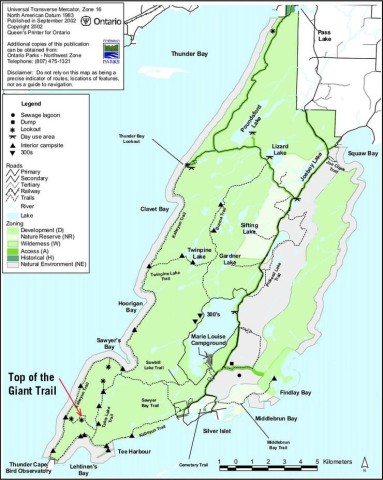
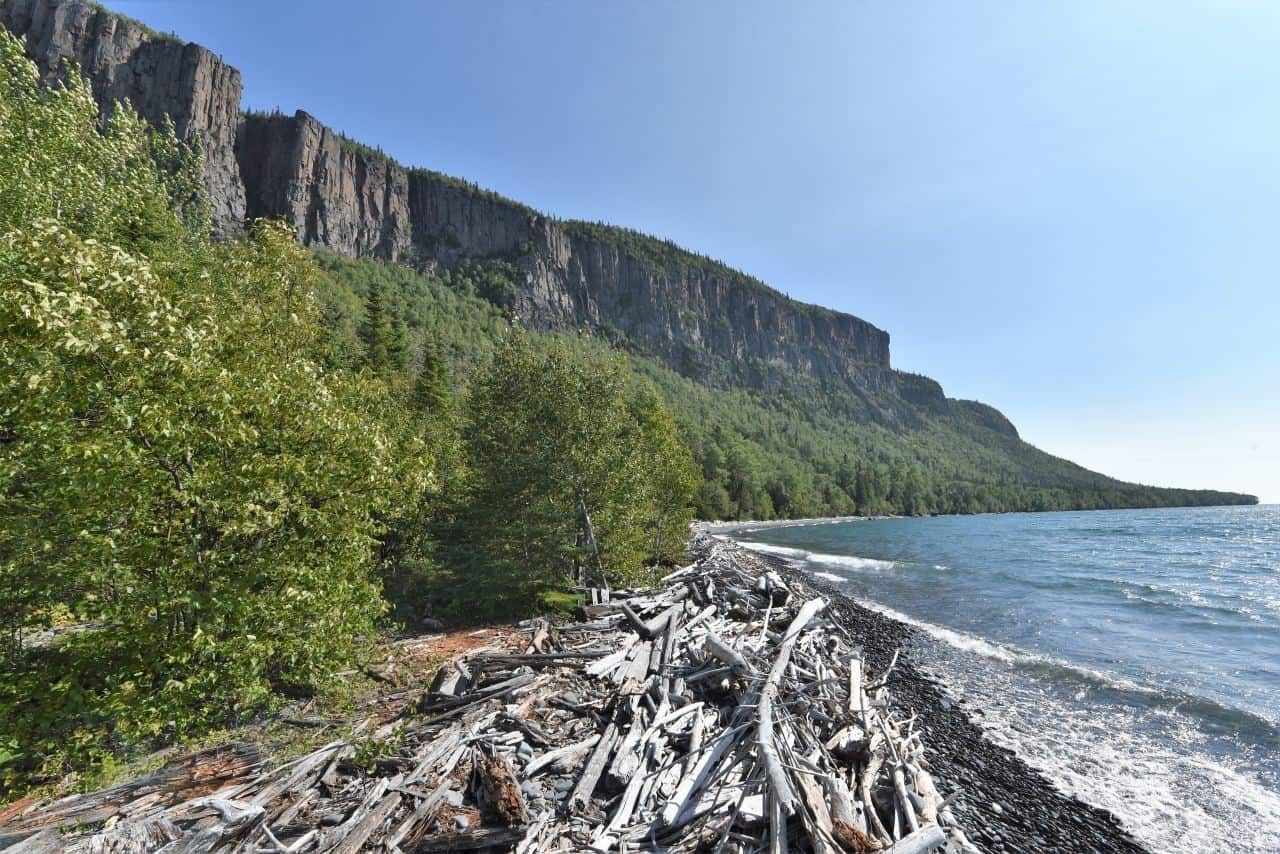
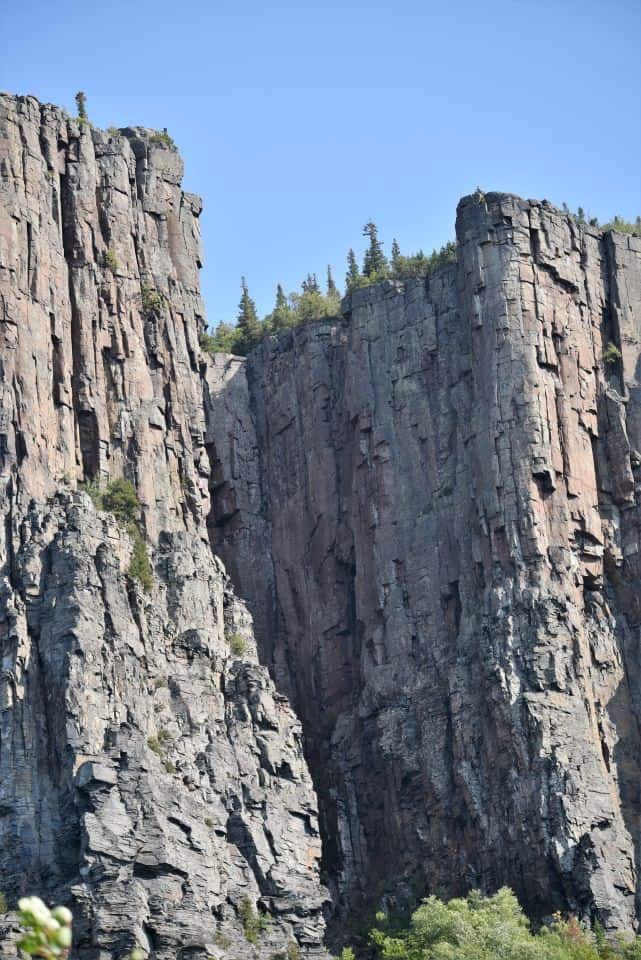
The Kabeyun Trail is a scenic backcountry route within Sleeping Giant Provincial Park, which sits on a 35 km peninsula extending into Lake Superior, about 50 km east of Thunder Bay, Ontario. The trail runs beneath the cliffs of the "Sleeping Giant," a massive rock formation overlooking Lake Superior. The dramatic cliffs, which at 250 m are the highest in Ontario, tower above the trail. According to Ojibwa legend, the formation represents Nanabijou, the Spirit of the Deep Sea Waters.
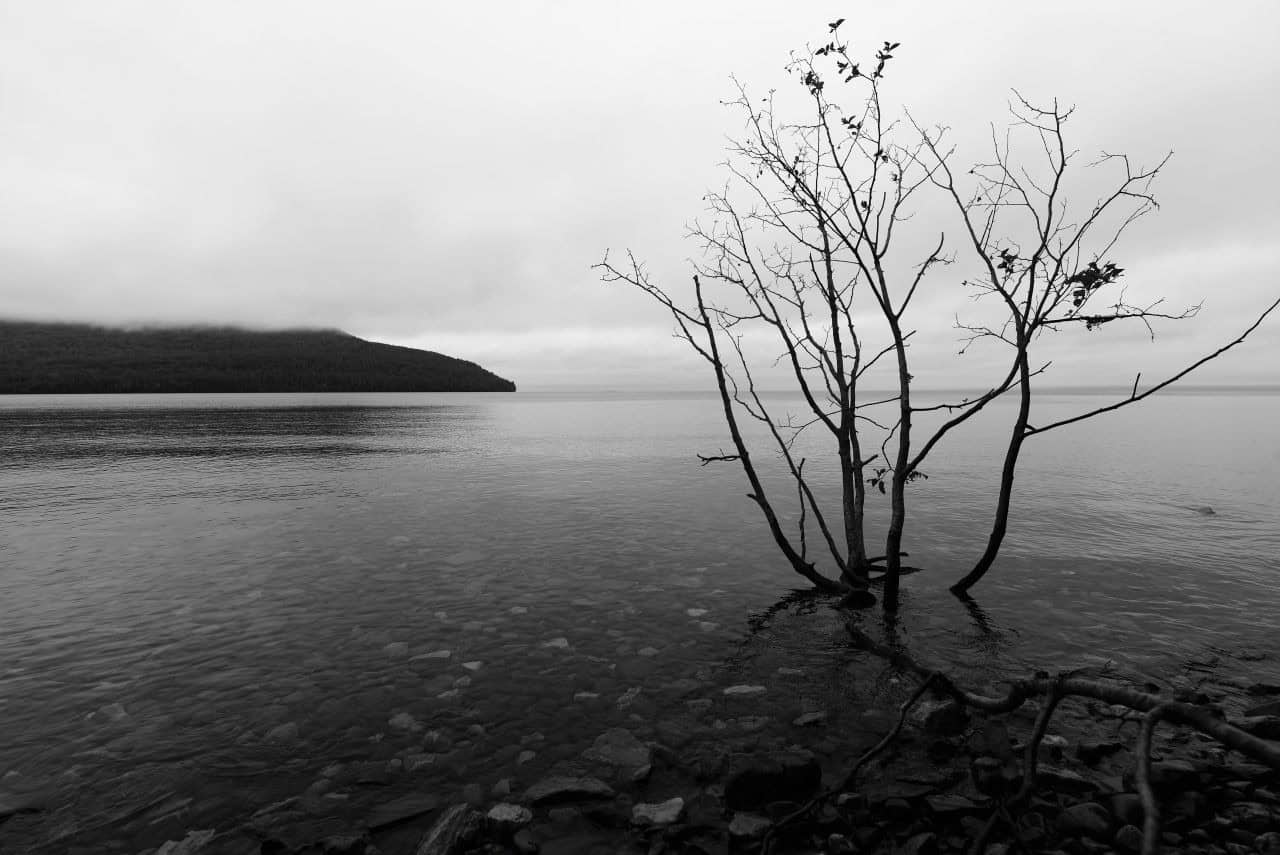
As hikers trek between the trailhead near the Lake Louise Campground at the south end and the Thunder Bay Lookout at the northern terminus, they move through boreal forest, across rocky terrain, and along shoreline shaped by wind and waves.
You can expect:
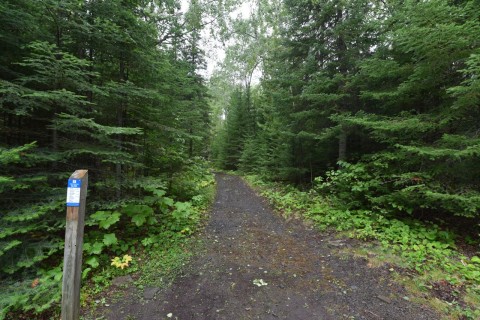
• Mixed forest with spruce, birch, and cedar
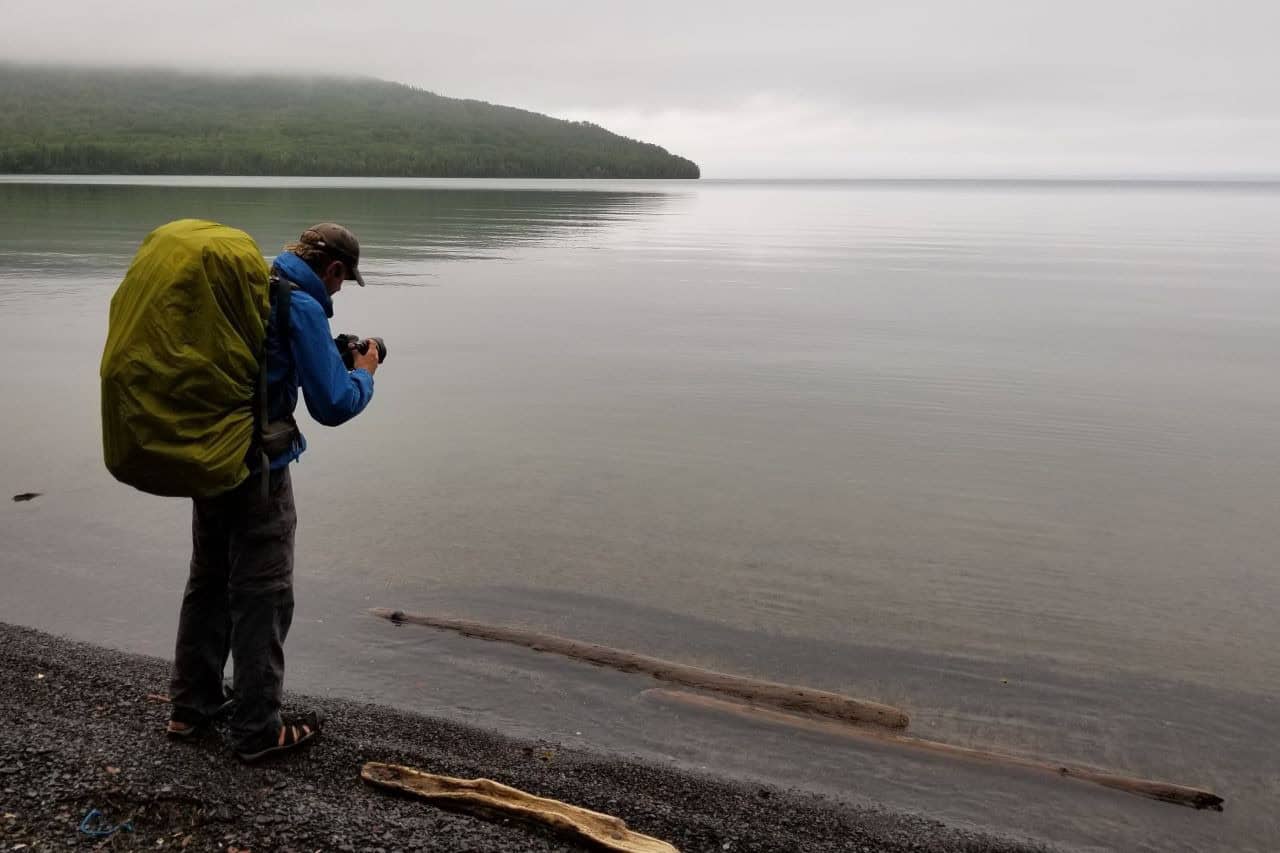
• Pebble beaches and shoreline access
• Steep climbs and uneven terrain
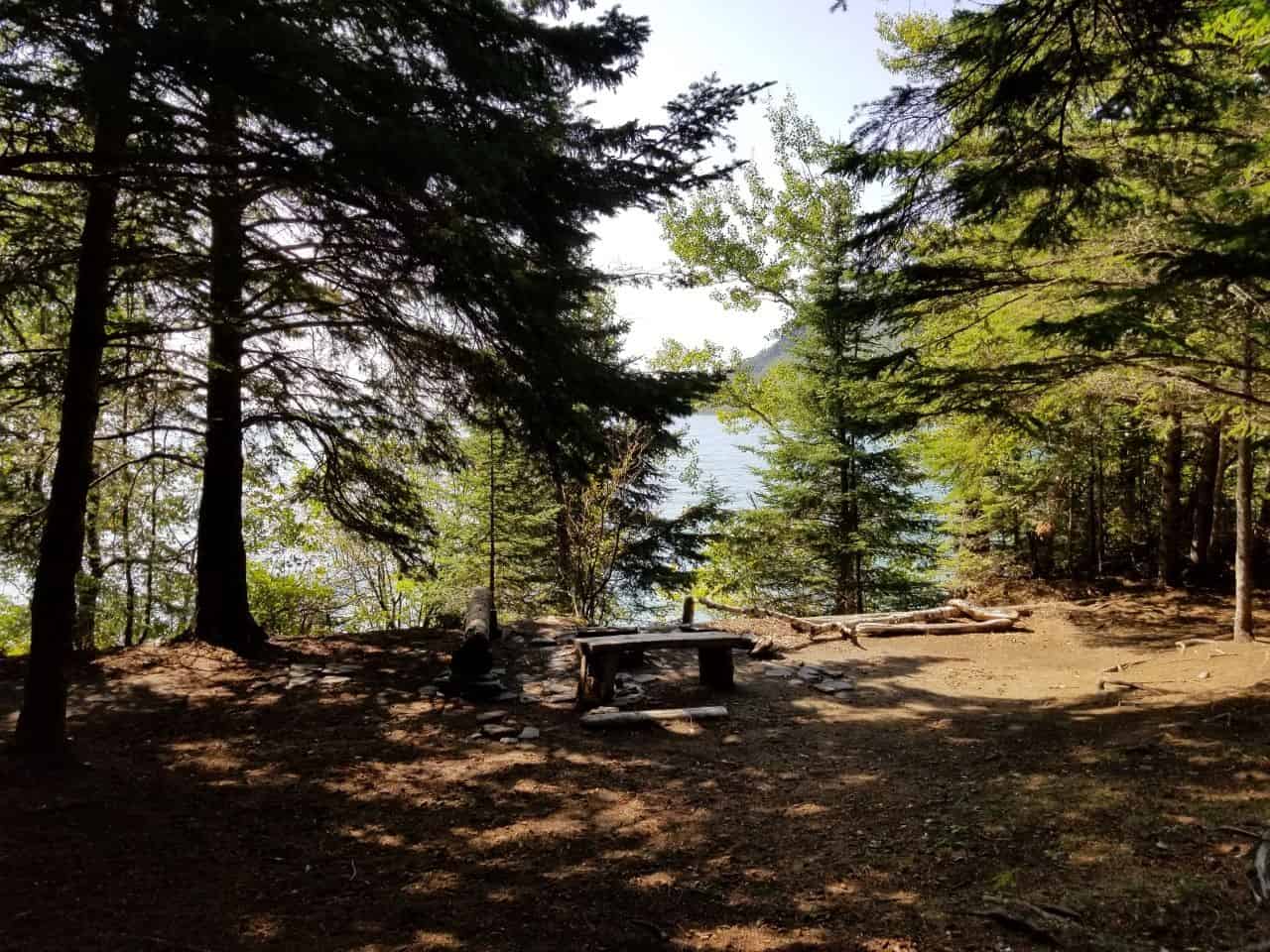
• Backcountry campsites like Tee Harbour and Sawyer Bay
Conditions vary widely, and in many places the trail reflects the raw environment more than careful design.
What Is It Like to Hike the Kabeyun Trail Day by Day?
In our experience, hiking the Kabeyun Trail is a constantly changing journey. No two sections felt the same, and the terrain, weather, and trail conditions shifted quickly along Lake Superior. We hiked the trail during two days in September, and experienced everything from hot sunny afternoons to high winds and torrential rain.
Early Sections: Forest and Easy Walking
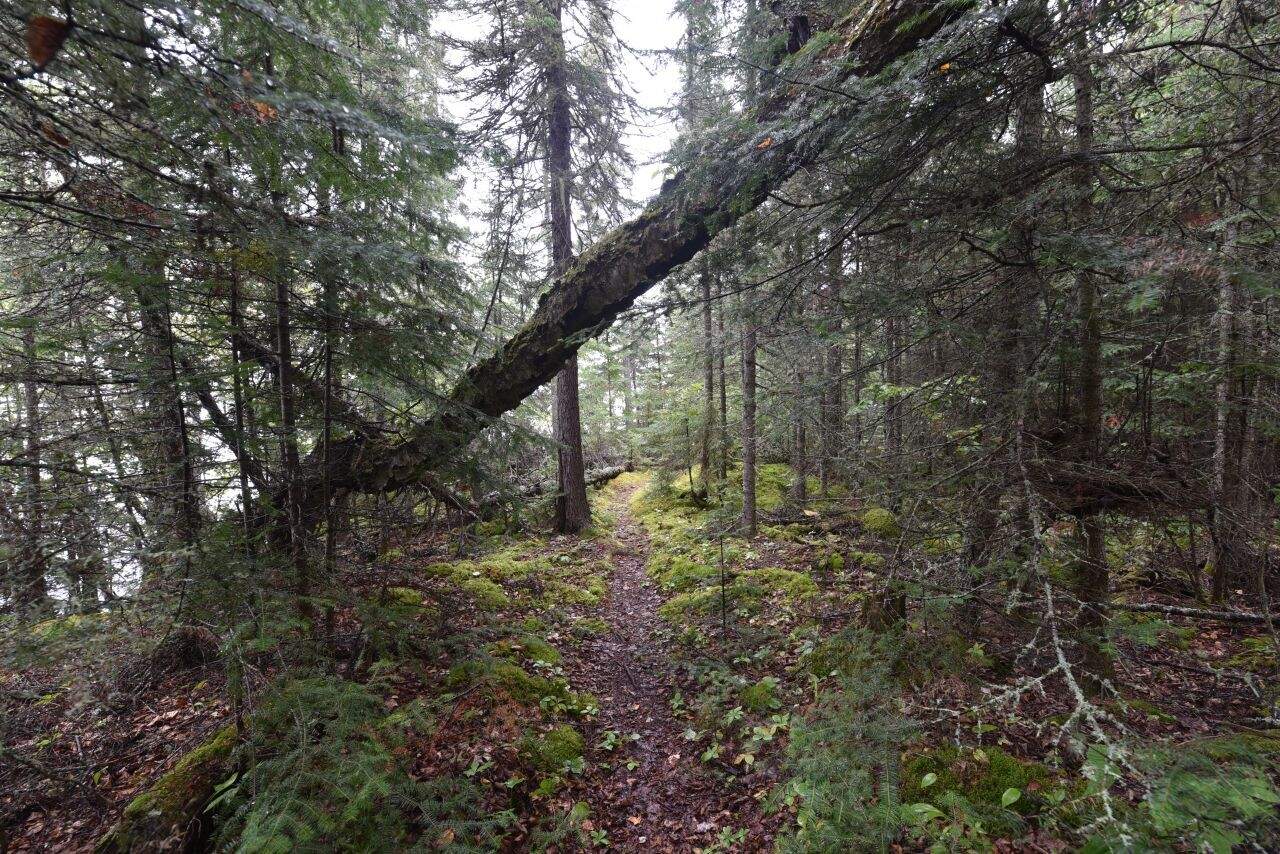
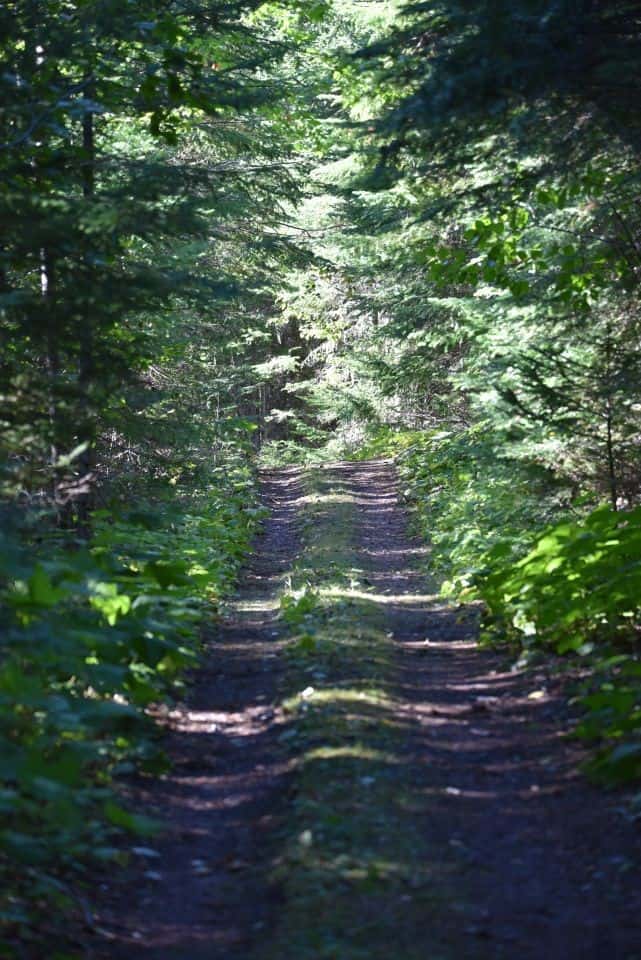
We began on wide, relatively flat trails through mixed forest. These early kilometres were well marked and relatively flat, with soft footing and filtered light through birch and spruce. At times, small side paths led us to the shoreline of Lake Superior, where quiet pebble beaches opened onto the lake.
Middle Sections: Cliffs and Scrambling
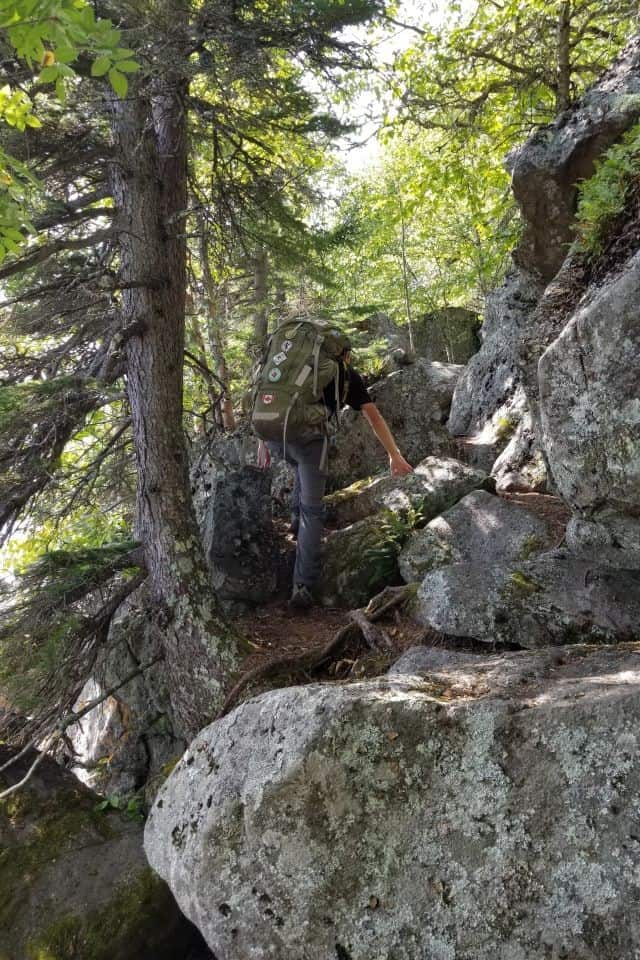
As we moved closer to the base of the Sleeping Giant, the trail became more demanding. We climbed over large boulders, followed narrow rocky paths, and worked our way through sections that required careful footing. One stretch led us through a rugged rock field, followed by a steep climb over the Giant's "toes." Progress in this section was slower, but the scale of the landscape made every step worthwhile.
Northern Sections: Rugged and Remote
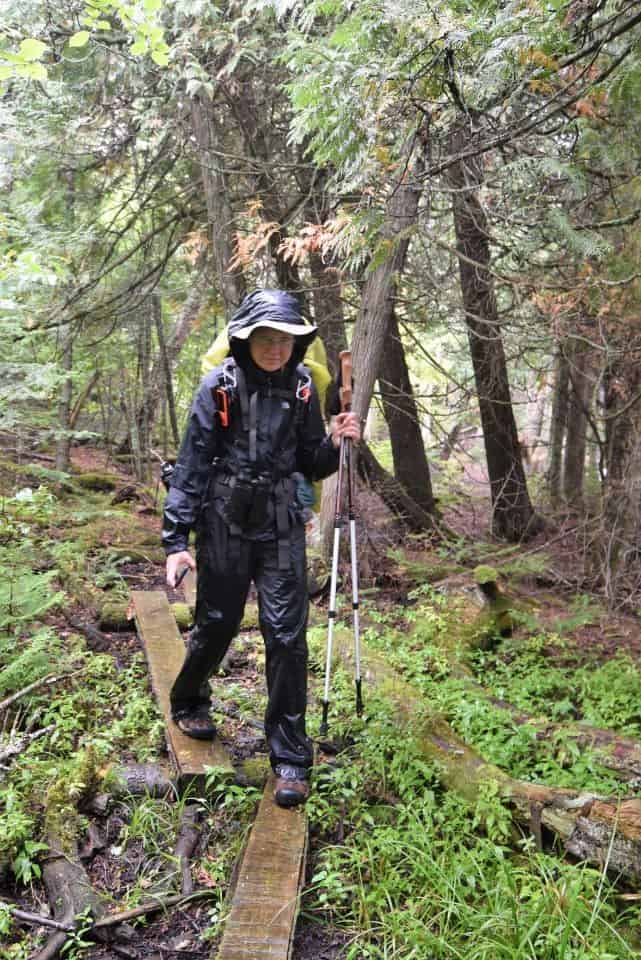
Further along, the trail became rougher and less defined. We navigated around fallen trees, crossed wet and muddy ground, and passed sections where the trail had eroded toward the lake. After rain, everything felt slick underfoot, and route-finding required more attention. While this was a challenge, the trail felt most wild and remote in this stretch, allowing us to enjoy the solitude and silence of the northern Ontario wilderness.
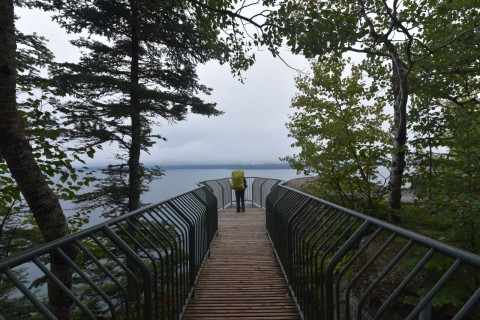
The final climb to Thunder Bay Lookout was steep but steady. After days on uneven terrain, the ascent felt direct and manageable, and the views at the top encompassed the lake and surrounding wilderness.
What Were the Personal Highlights from Hiking the Kabeyun Trail?
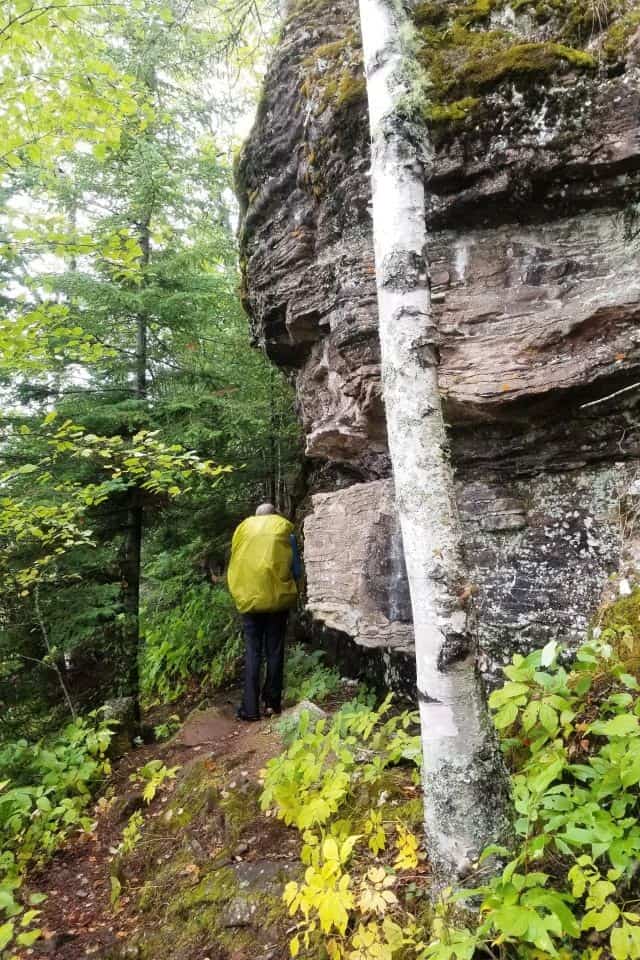
Hiking the Kabeyun Trail as part of our 4-year coast-to-coast journey along the Trans Canada Trail gave us a deeper appreciation for both the landscape and the experience of moving through it slowly. In particular, walking beneath the Sleeping Giant was one of the most powerful moments of the hike. The cliffs rise straight up from the forest, and standing at their base, we felt very small in comparison. It is one thing to see the Giant from across the water, and something entirely different to walk along its base and look up.
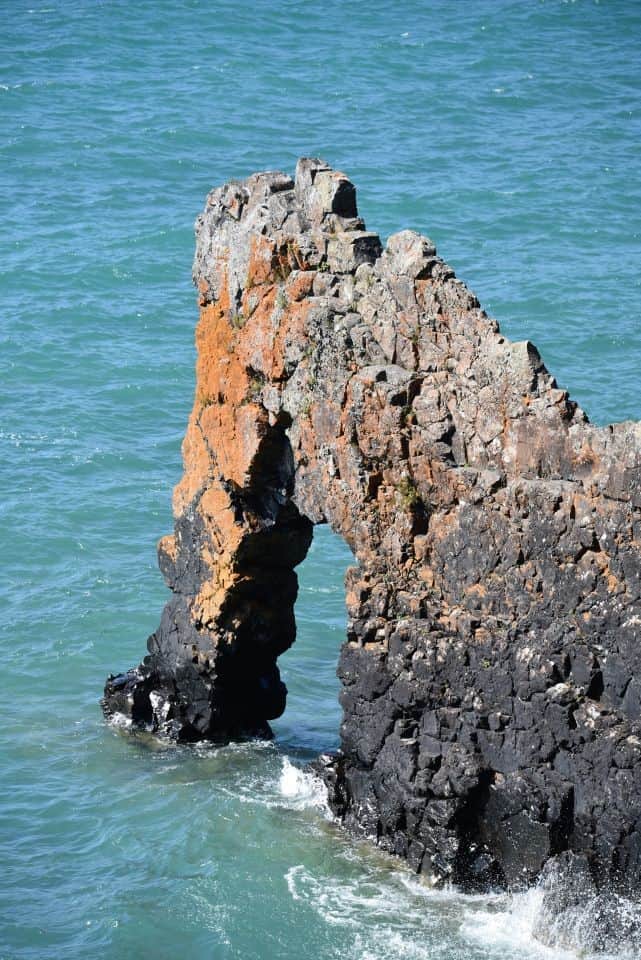
The shoreline near the Sea Lion was another standout. We paused to watch waves roll in and crash through the rock arch, the clear water shifting between deep blue and turquoise depending on the light. It was one of those places where it is easy to stop longer than planned.
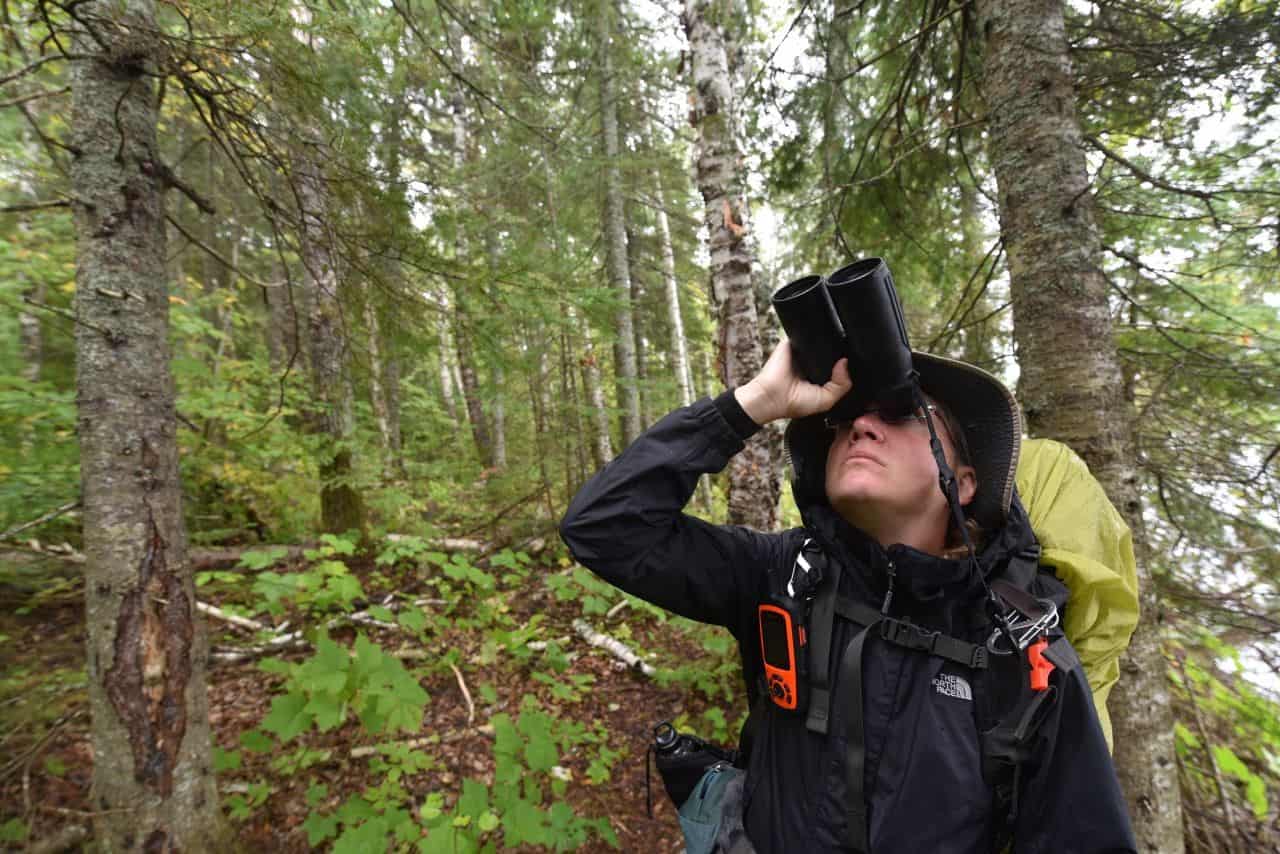
We were also struck by the number of birds, especially since we hiked during fall migration. At times, it felt like we were standing in a moving river of birds, with constant motion flowing through the trees overhead. Every branch was alive with movement as songbirds tumbled through the canopy with an urgency that made us want to flee the coming winter along with them.
Not all highlights were easy. Some of the most memorable moments came from the challenges—wet trails, strong winds, and sections where the path disappeared under blowdowns or erosion. These stretches required patience and focus, and they shaped the experience just as much as the views. However, the Kabeyun Trail remains one of our favourite sections of trail for its quiet, solitude, and true wilderness feel.
Tips & Planning for Hiking the Kabeyun Trail
Hiking the Kabeyun Trail requires preparation and flexibility—this is a rugged backcountry route where conditions can change quickly. Based on our experience, here are key planning considerations:
Permits and Reservations
Backcountry camping permits are required through Ontario Parks. Campsites like Tee Harbour and Sawyer Bay are limited, so booking in advance is essential, especially during summer and fall when the trail sees peak use.
Timing and Weather
The best time to hike is from late spring through early fall. Summer provides warmer and more stable conditions, while fall offers cooler temperatures, smaller crowds, and vibrant autumn colours. Weather can shift rapidly, and Lake Superior winds can add an extra challenge, so plan for sun, rain, and wind—even on the same day.
Gear Essentials
Durable, well-tested gear is crucial. Good hiking boots, rain gear, and layers for changing temperatures make a big difference. For longer trips, a lightweight backpack with enough capacity for water, food, and shelter is essential. For more guidance, check out our Hiking Gear Guide: Beyond the Basics for Long-Distance Treks.
Navigation and Apps
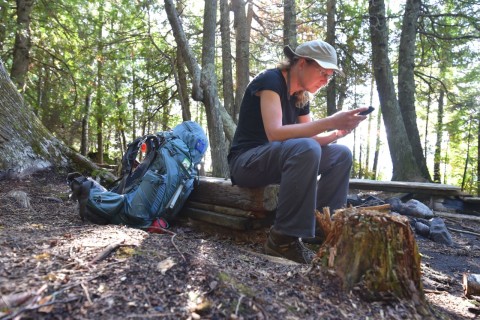
Some trail sections are remote and less defined, so a reliable map and compass are recommended. We also relied on hiking apps to track our route and access offline GPX files. See our roundup of Top Hiking Apps for Trails in Canada for options that work well on long backcountry routes with limited cell service.
Water and Food
Lake Superior is the main water source along much of the trail, but access can be limited in certain sections. Carry sufficient water or bring a filtration system. There are no resupply points along the trail so hikers must carry all their food. We recommend bringing rope for hanging food at night protect it from animals.
Safety
Hiking the Kabeyun Trail is best for experienced hikers comfortable with remote terrain. A first aid kit, satellite communication device, and careful route planning will help manage risks.
FAQs About the Kabeyun Trail
Is the Kabeyun Trail difficult?
Yes, the trail is considered moderate to challenging. While some sections are easy, others include steep climbs, rocky terrain, and navigation challenges. Weather conditions can increase the difficulty significantly.
How long does it take to hike the Kabeyun Trail?
Most hikers complete the full trail in 2 to 4 days. Progress is often slower than expected due to rugged terrain and changing conditions.
Do you need permits for the Kabeyun Trail?
Yes, backcountry camping permits are required through Ontario Parks. It is recommended to reserve campsites in advance.
When is the best time to hike the Kabeyun Trail?
Late spring through early fall is ideal. Summer offers warmer and more stable conditions, while fall provides cooler weather and fewer insects.
Is the Kabeyun Trail part of the Trans Canada Trail?
Yes, it is part of the Trans Canada Trail, connecting it to a larger cross-country trail system.
Are there water sources along the trail?
Lake Superior is the main water source, but access can be limited. Carry sufficient water or use a filtration system.
Local Tips for Travel Near Thunder Bay
Sleeping Giant Provincial Park is located about 50 km east of Thunder Bay along the shore of Lake Superior.
- The park sits on the Sibley Peninsula that extends into Lake Superior, making it one of Ontario's highlights on the Lake Superior Circle Tour
- Sleeping Giant Provincial Park is also part of the Great Lakes Waterfront Trail, a 1,300 km international cycling route around the Great Lakes that includes part of the Kabeyun Trail
- Nearby Silver Islet where a vein of pure silver was discovered in 1868 adds historical context is popular with visitors to region
- Fall is a popular time to visit for its cooler temperatures, smaller crowds, stunning autumn colours, and peak bird migration
- The Sleeping Giant formation is tied to Ojibwe Legend of Nanabozho
This is a landscape where you move with the environment, not against it, and that is part of what makes the experience memorable.
Summary / Takeaway
Hiking the Kabeyun Trail in Sleeping Giant Provincial Park Ontario offers a rugged, varied, and deeply rewarding backcountry experience along Lake Superior. From forested paths to rocky shoreline, steep climbs, and expansive views beneath the Sleeping Giant, every step reminded us of the raw scale and beauty of Northern Ontario.
For us, the trail was as much about moving with the environment as it was about reaching a destination. Walking beneath the Sleeping Giant, pausing at the Sea Lion shoreline, and observing the fall bird migration made the effort feel deeply worthwhile. With proper planning, the right gear, and a willingness to embrace the trail's challenges, the Kabeyun Trail is a memorable adventure—and a special section of the Trans Canada Trail that we'll never forget.
Photo Credits: Sean Morton
Canada Parks
-
British Columbia
When you subscribe to the blog, we will send you an e-mail when there are new updates on the site so you wouldn't miss them.
About the author












Comments 7
We camped at a campsite that looked out onto the Sleeping Giant. We did not have enough time to hike the trail, though. Looks like that may have been a mistake.
I love the name of this park.
You mentioned how each section was quite different along the trail. Was there an area that stood out as a favourite to you and Sean?
Sounds like an amazing, very fulfilling, hike!
It is an amazing hike, and each day brought something different - from sandy beaches, to boulder fields, to stunning views over Lake Superior, to inland dunes. I don't have a favourite section, but I loved watching the sun set over the lake every night while camping on the beaches in complete solitude.
Greg Girard It is a really beautiful hike with incredible scenery that brings to mind the iconic Group of Seven paintings. It feels very different to walk along the base of the giant and the scramble over its toes than to see it across the water. Definitely one of my favourite hikes in Ontario!
Thanks for sharing, Sonya Richmond! Hoping to make it back to Thunder Bay - would love to finally explore Sleeping Giant Provincial Park. This is such helpful info!
This is a super informative article Sonya, well done! I would love to chat with you about this experience on the podcast if you have time
What a great hike Sonya Richmond! Thanks for sharing. When we were at Sleeping Giant we hiked in with our camping gear but only stayed one night. We also hiked the Top of the Giant Trail. The views from Chimney Rock were incredible! We might need to go back now for the Kabeyun Trail.