
Seeker Bio
How to Explore the Niagara River Recreational Trail: Waterfalls, Wineries, & History in Ontario Canada

Niagara River Recreational Trail Itinerary for Hikers and Cyclists
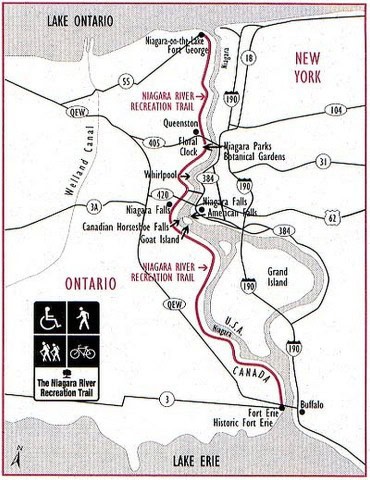
The Niagara River Recreational Trail is a paved, multi-use trail that follows the Niagara River from Fort Erie to Niagara-on-the-Lake, Ontario, Canada. It is ideal for hiking and cycling, offering access to Niagara Falls, historic sites, and wineries along a scenic waterfront route.
Based on our own experience hiking and cycling this route, this guide shares how to plan your trip, what to see along the way, and how to combine waterfalls, wineries, and history into a one-day or weekend adventure. It also explains how to use public transit to get to and explore the trail.
Why Explore the Niagara River Recreational Trail?
This Niagara River Recreational Trail is ideal for travelers who visit Niagara Falls but want to experience more of the Niagara Region in a meaningful way. Stretching roughly 56 km along the Niagara River, it passes historic forts, War of 1812 landmarks, Underground Railroad sites, and beautiful riverfront parks. Hikers and cyclists can stop at vineyards, scenic overlooks, and family-friendly attractions like the Upside Down House at Clifton Hill or the Butterfly Conservatory, making it easy to turn a visit into a full-day or overnight experience with a stop in Niagara Falls.
Visitors Can Experience:
- Outdoor adventure along the Niagara River
- Scenic viewpoints, parks, and birdwatching opportunities
- Historic sites tied to the War of 1812 and the Underground Railroad
- Local wine tasting and food stops along the Niagara Parkway
- A flexible, self-guided itinerary for hikers and cyclists
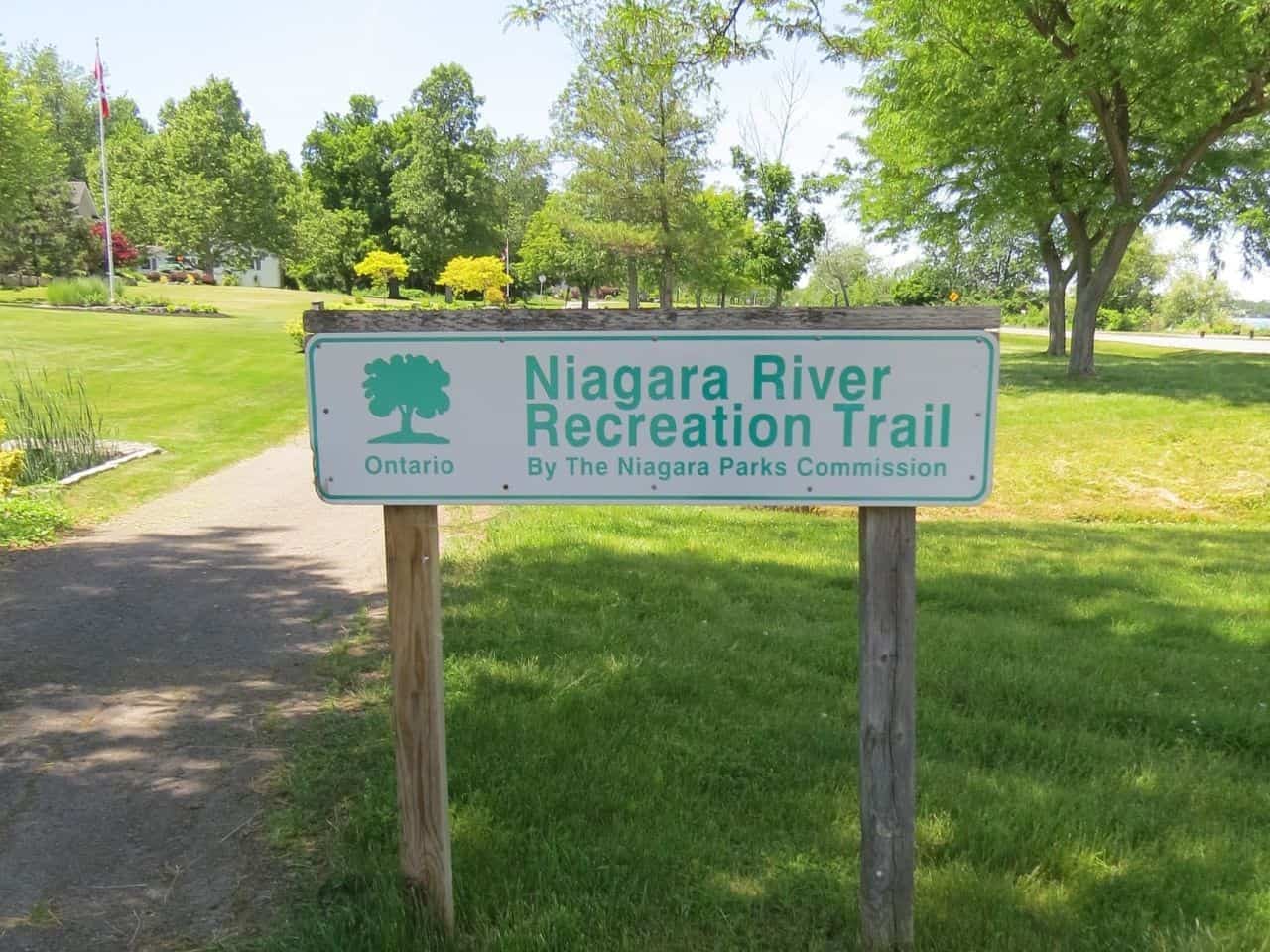
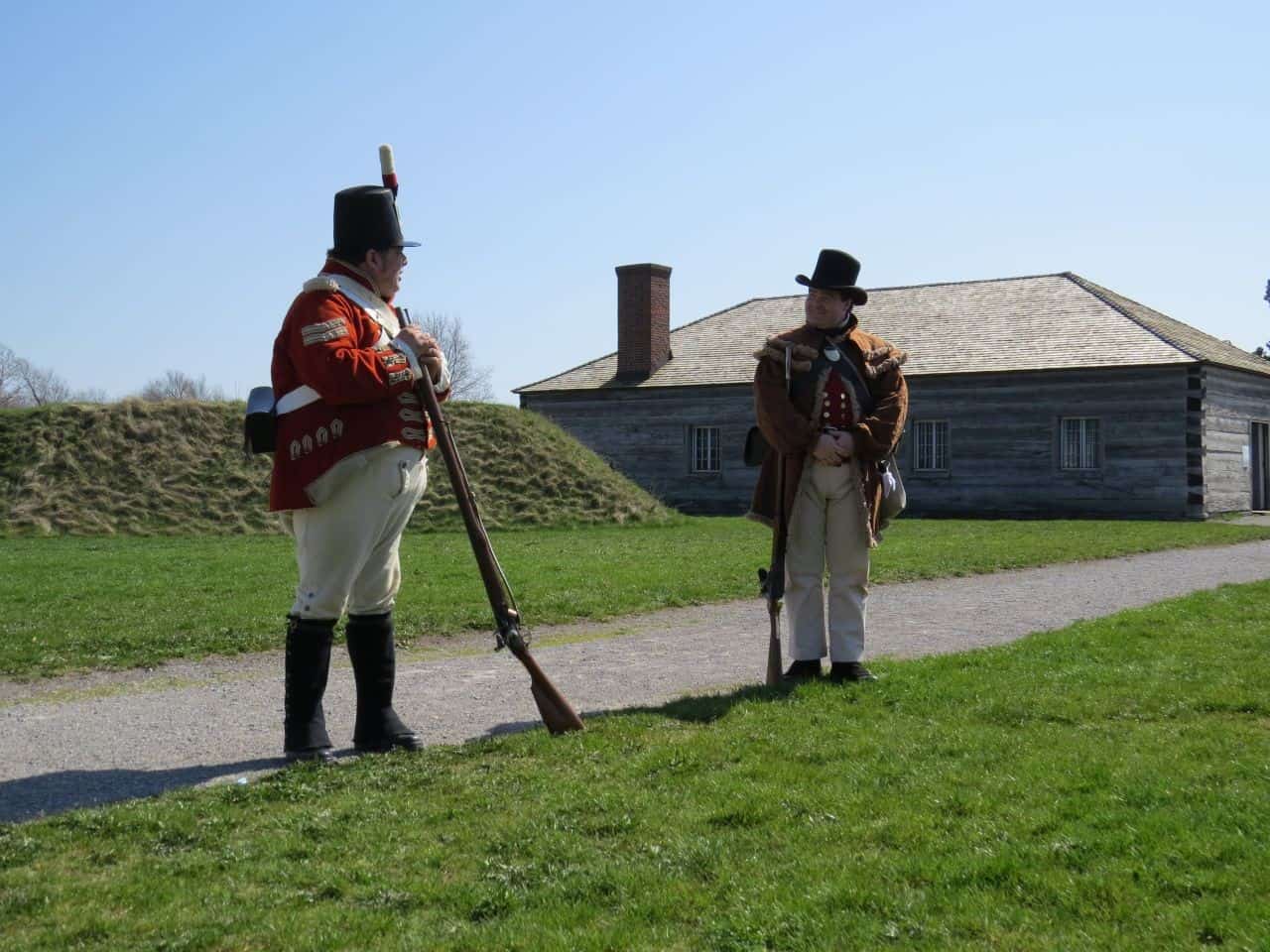
Key Facts Above the Niagara River Recreational Trail
- Location: Fort Erie to Niagara-on-the-Lake, Ontario, Canada
- Length: 56 km (35 mi)
- Trail Type: Paved, multi-use
- Activities: Hiking or cycling
- Difficulty: Easy (flat terrain)
- Best time to go: Late spring through early fall (May–October)
- Cost range: Free access; attractions and wineries vary
- Time needed: 1–2 days for full trail; shorter segments possible
- Accessibility: Paved paths for hiking and cycling; mostly level terrain; bike rentals available
- Transportation: Accessible by GO Train from Toronto to Niagara Falls. The Wego Bus has stops along the route allowing flexible itineraries.
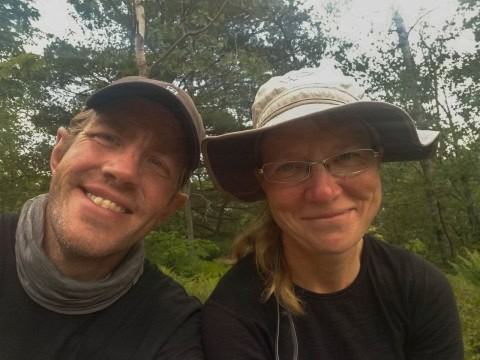
What Can You See Along the Trail?
The Niagara River Recreational Trail blends natural beauty, history, and local culture into one continuous route.
Natural highlights:
- Niagara Falls and the Niagara River
- Whirlpool Rapids and gorge landscapes
- Frenchman's Creek and riverside parks
- Dufferin Islands
Historic and cultural sites:
- Old Fort Erie
- Fort George National Historic Site
- Fort Mississauga
- Queenston Heights Park
- Underground Railroad landmarks linked to Black History in Niagara Ontario
- Stories of Laura Secord
Attractions and experiences:
- Clifton Hill entertainment district
- Butterfly Conservatory
- Niagara Parks Botanical Gardens
Wine and culinary stops:
- Jackson-Triggs Estate Winery
- Inniskillin Wines
- Reif Estate Winery
This route combines heritage, nature, and leisure—making it perfect for a weekend getaway or a full-day adventure.
How to Experience the Trail: Hiking or Cycling
Whether on foot or by bike, the Niagara River Recreational Trail is well-marked, mostly paved, and mostly level, making it accessible for families, casual hikers, and cyclists alike. The trail can be done as a full-day adventure or split across a weekend to enjoy stops along the way.
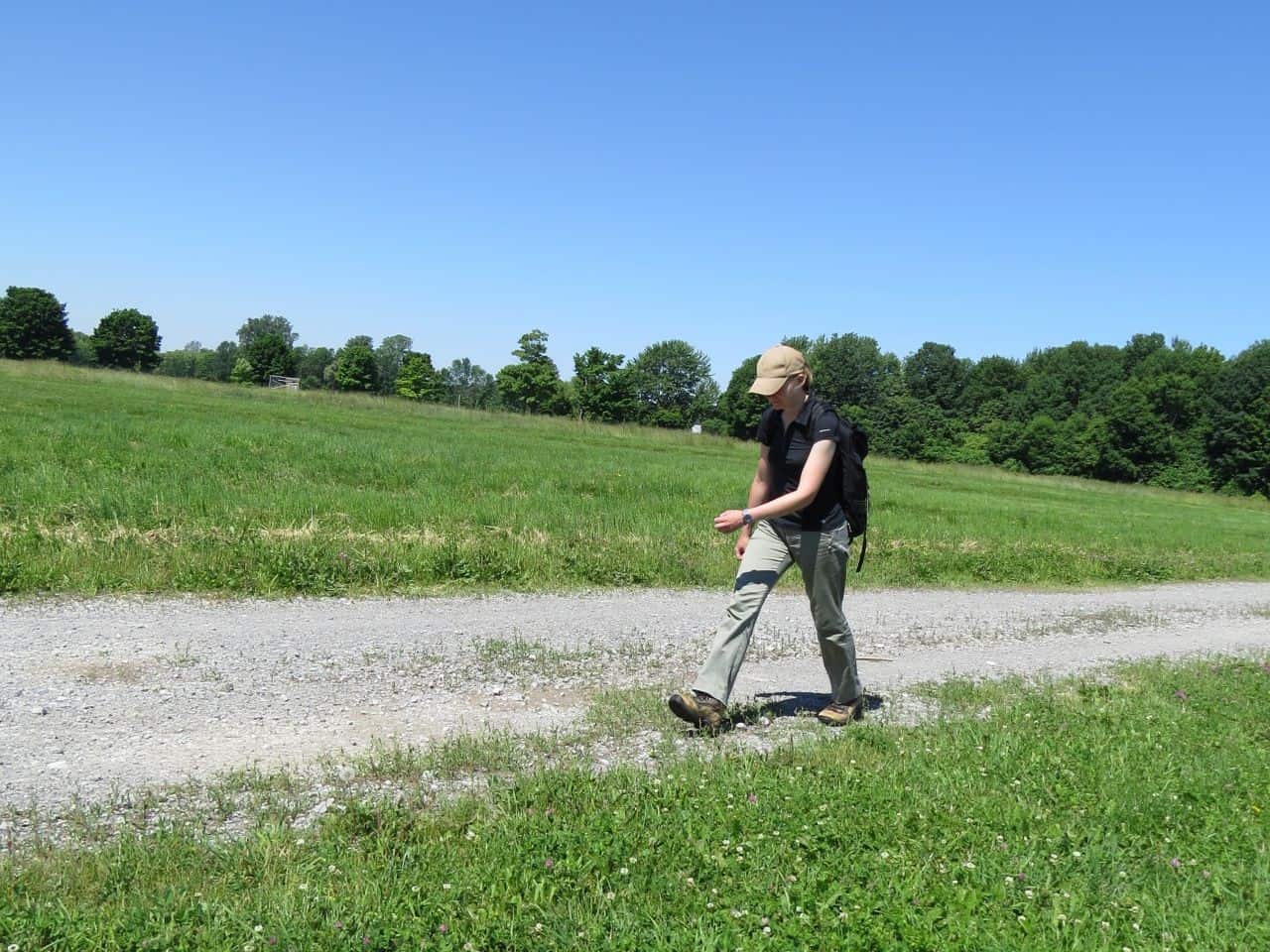
Hiking Itinerary (1–2 Days):
Day 1 – Fort Erie to Niagara Falls (~30 km):
- Begin at Old Fort Erie, exploring the historic earthworks and barracks. Follow the paved path along the Niagara River, passing Freedom Park, Bertie Hall, and the Chippawa Battlefield. Stop at picnic areas and shaded riverbanks along the way. End your day in Niagara Falls to enjoy the views of Horseshoe and Bridal Veil Falls and nearby attractions like Dufferin Islands or the Table Rock Information Centre.
Day 2 – Niagara Falls to Niagara-on-the-Lake (~27 km):
- Start at Clifton Hill and head north along the Niagara Parkway. Highlights include Queenston Heights and Brock's Monument, Whirlpool Rapids, Niagara Parks Botanical Gardens, Butterfly Conservatory, Fort George, and Fort Mississauga. End your hike in Niagara-on-the-Lake and explore the charming downtown streets, local shops, and vineyards nearby.
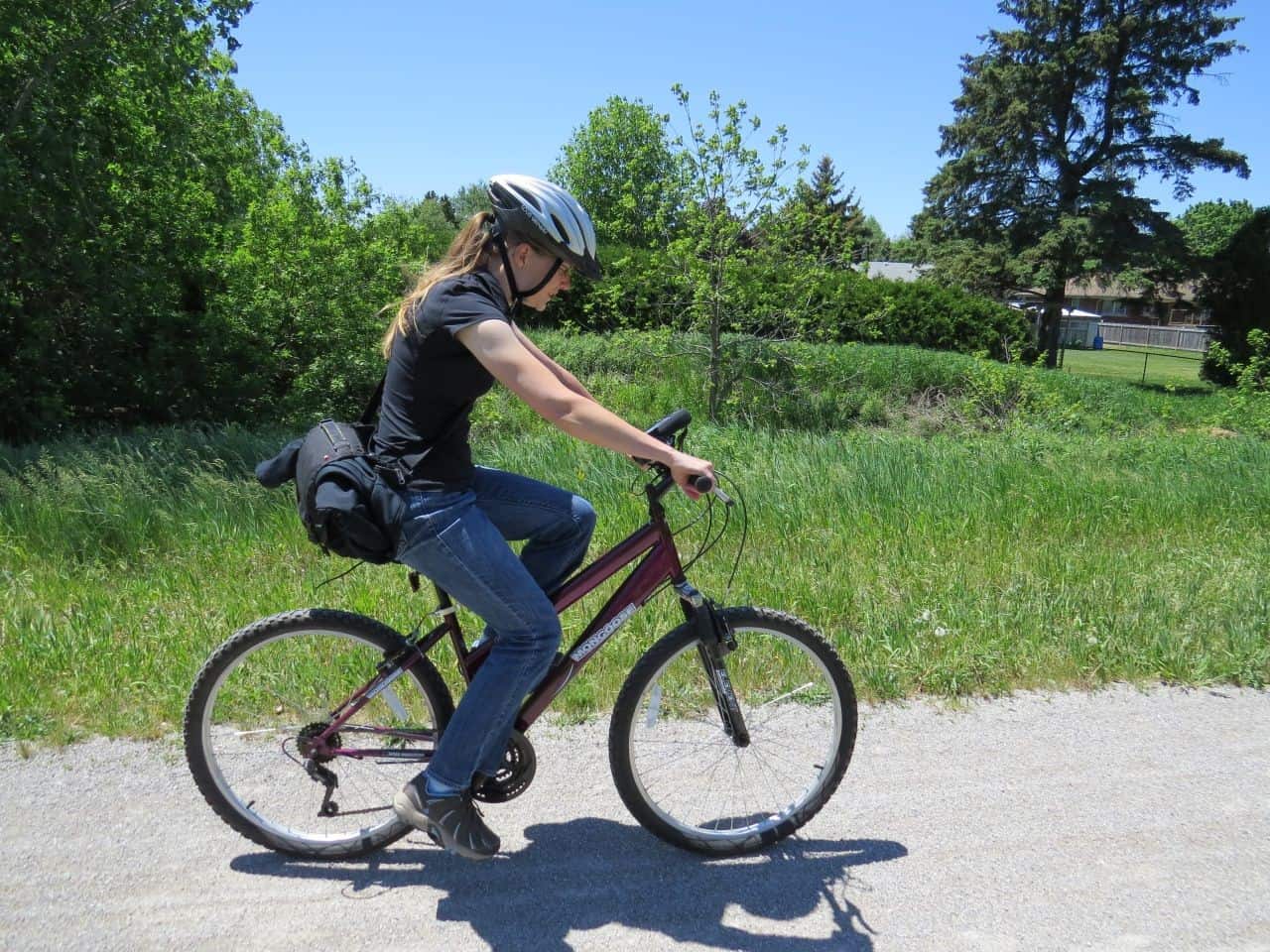
Cycling Itinerary (Full-Day Ride, ~57 km):
- Start at Fort Erie or Niagara-on-the-Lake depending on your preferred direction.
- Cycle along the paved trail, pausing at historical landmarks such as Fort Erie, Queenston Heights, and Fort George.
- Take breaks at scenic overlooks like Frenchman's Creek, Whirlpool Rapids, or the riverbanks near Niagara Falls.
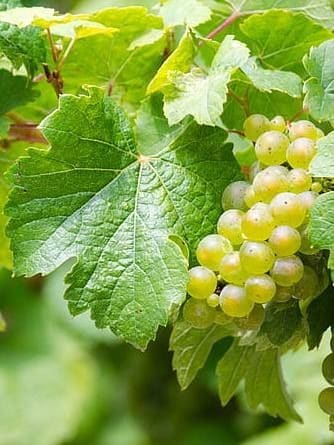
- Stop at vineyards such as Jackson-Triggs or Inniskillin for a tasting or snack.
- Allow extra time for family-friendly attractions: Butterfly Conservatory, Clifton Hill entertainment, or the Niagara Parks Botanical Gardens.
- Return to your starting point or arrange bike pickup/shuttle services if planning a one-way ride.
Tips for Both Hikers and Cyclists:
- Pack water, sunscreen, and a hat; while some stretches are shaded, many are exposed.
- Comfortable shoes or a hybrid/touring bike are recommended.
- Divide the trail into two sections for a more relaxed experience: Fort Erie to Niagara Falls (nature + heritage) and Niagara Falls to Niagara-on-the-Lake (heritage + wineries).
- Start early in the day to avoid peak sun hours, especially in summer.
What Can You See Along the Trail? A South-to-North Itinerary
Fort Erie & Old Fort Erie
Start your adventure at Old Fort Erie, a star-shaped British fort with earthworks, barracks, and a powder magazine. The fort played a key role in the War of 1812 and offers interpretive signage and panoramic views of the Niagara River. Nearby, take a moment to learn about the Underground Railroad at Freedom Park, where escaped slaves first reached safety in Canada.
Niagara River Recreation Trail to Niagara Falls
As you follow the paved trail north, enjoy scenic views of the Niagara River and riverbanks dotted with small parks and shaded pathways. Highlights along this stretch include:
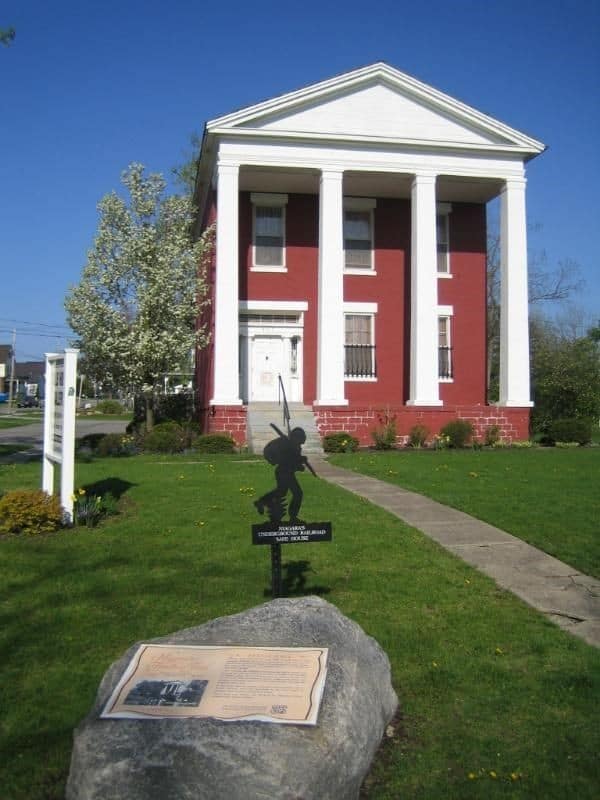
- Bertie Hall & "The Crossing": Learn about local safe houses for escaped slaves.
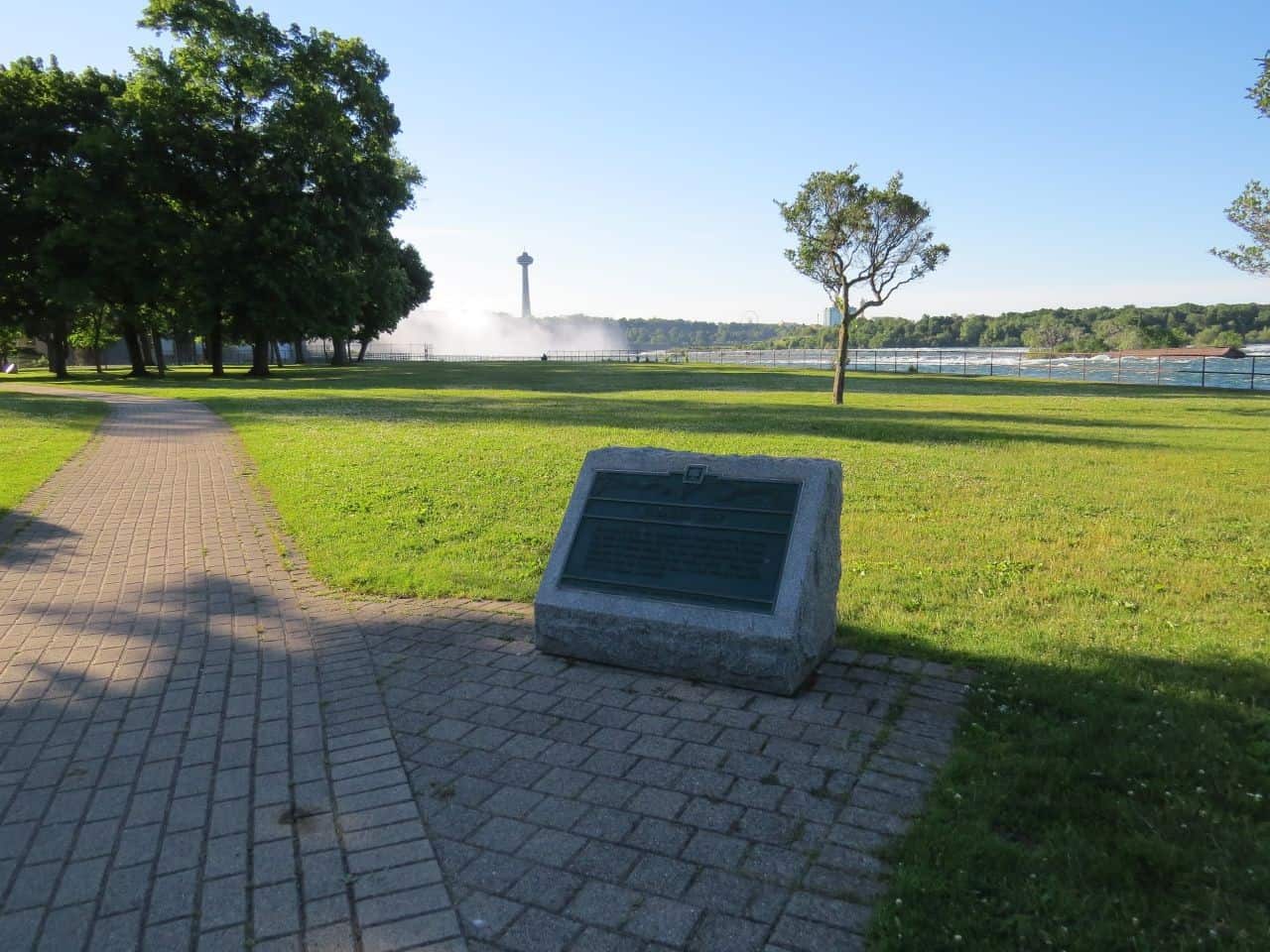
- Chippawa Battlefield: A small monument commemorates the 1814 War of 1812 battle.
- Frenchman's Creek & Miller's Bay: Picturesque picnic spots and glimpses of wildlife like Great Egrets and cormorants.
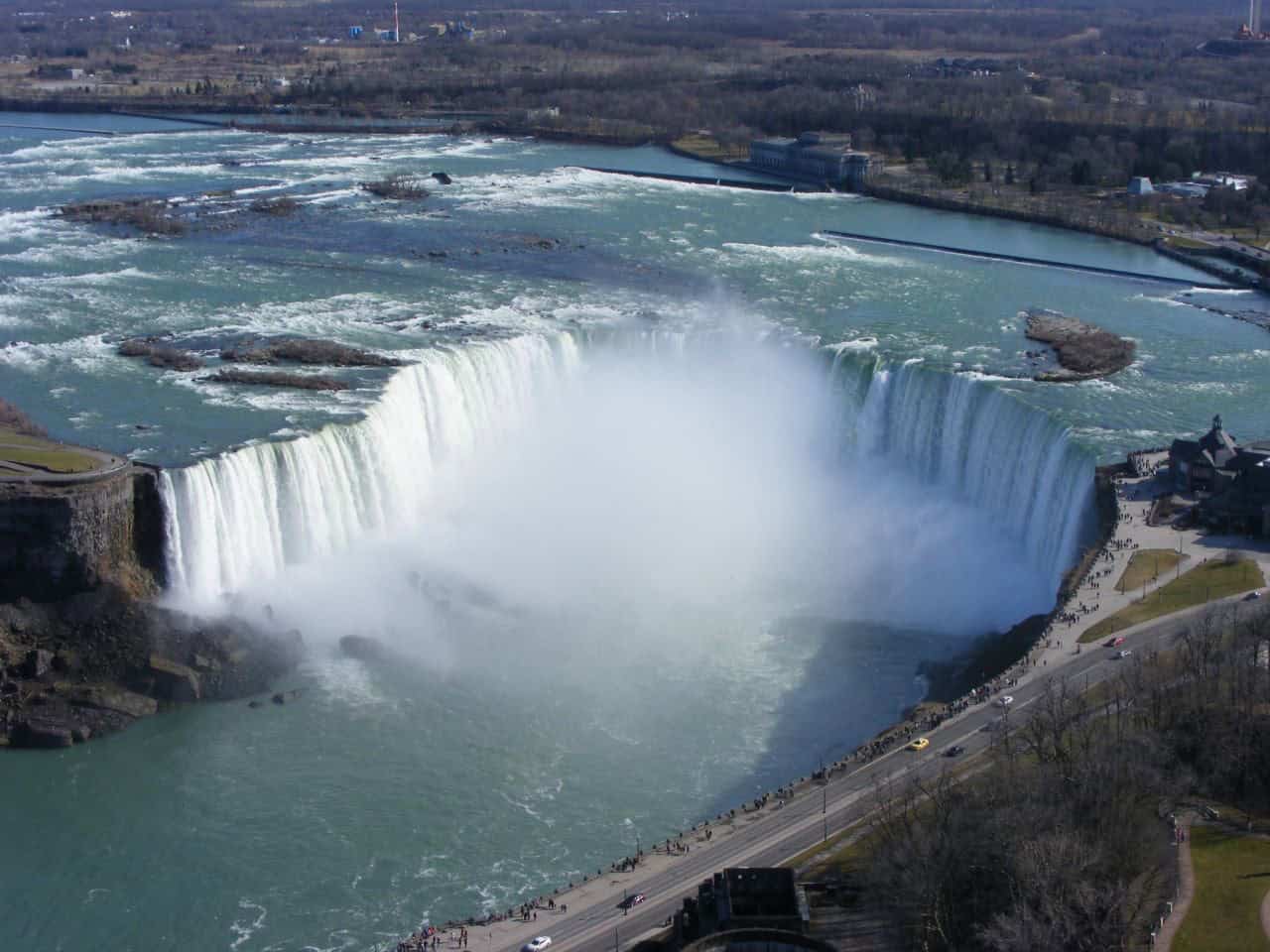
Arriving at Niagara Falls, take in the iconic Horseshoe, American, and Bridal Veil Falls, or enjoy the nearby Journey Behind the Falls walkways. For family-friendly stops, explore Dufferin Islands or stroll the lively streets near Clifton Hill, where arcades, the Niagara SkyWheel, and Ripley's Believe It or Not offer playful breaks.
Niagara Falls to Queenston / Niagara-on-the-Lake
Heading north from the Falls, the trail passes through quieter residential areas with shaded stretches along the river. Key highlights:
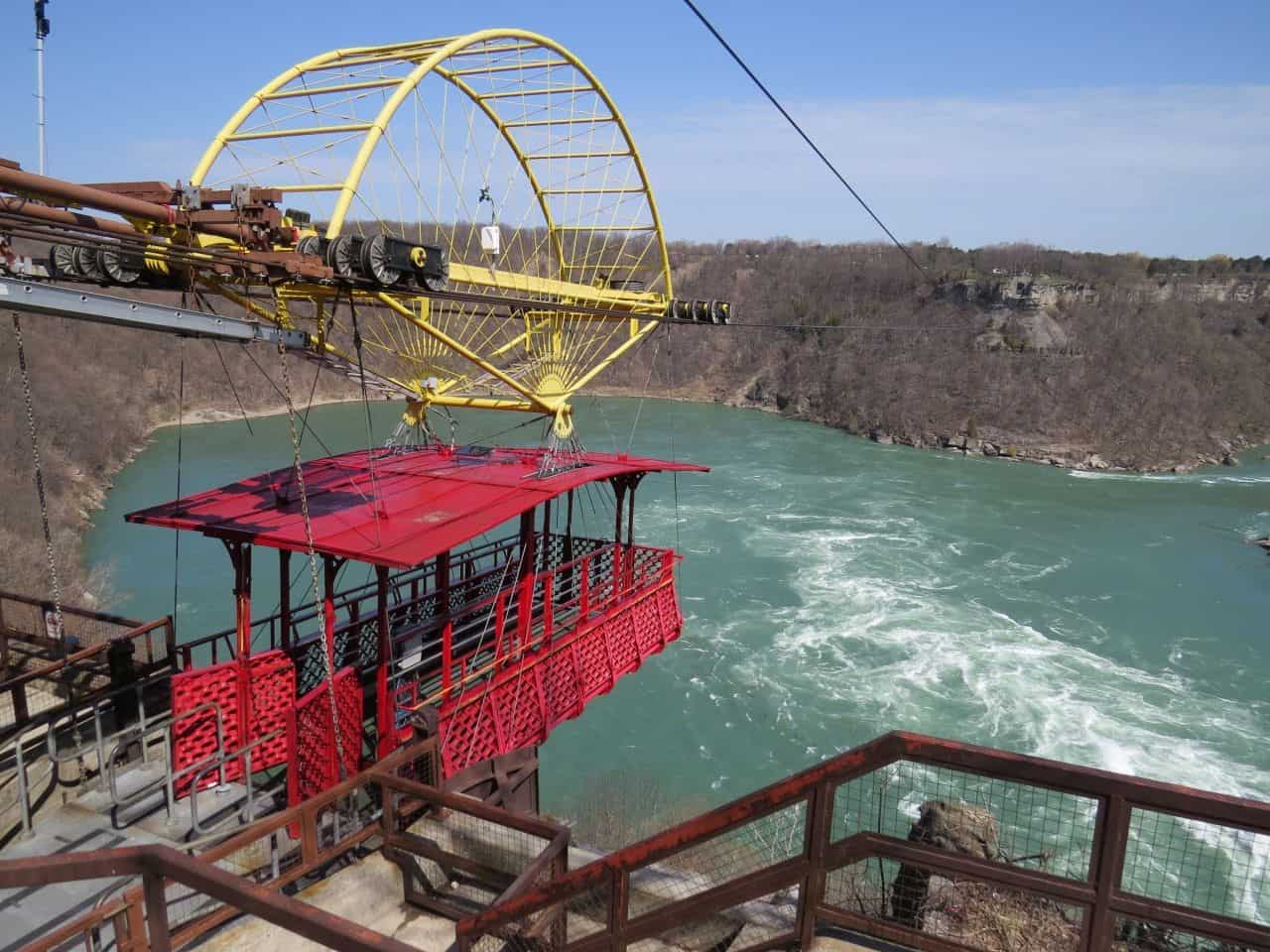
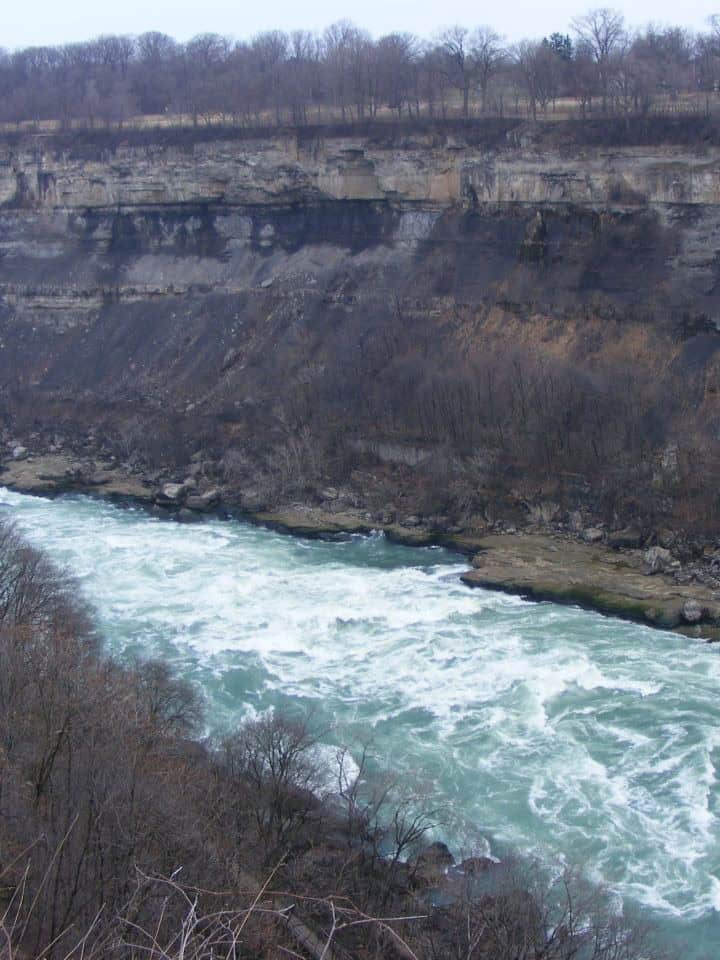
- Whirlpool Rapids & Whirlpool Aero Car: View the turbulent rapids from above, or ride the historic aerial cable car for dramatic views.
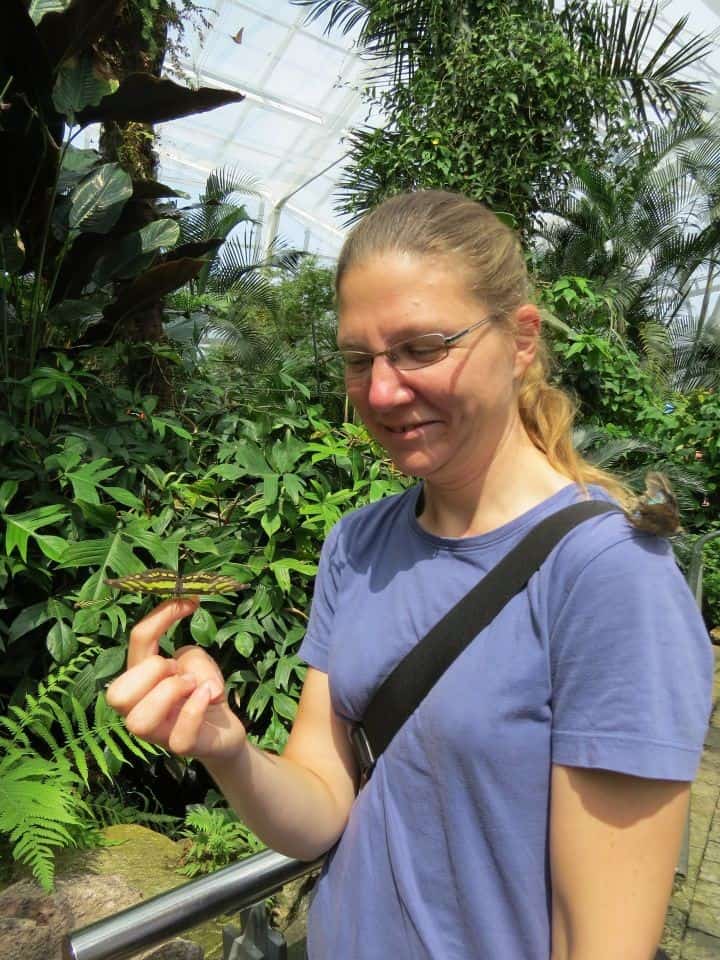
- Niagara Parks Botanical Gardens & Butterfly Conservatory: Take a relaxing detour amid manicured gardens and be delighted by thousands of colorful butterflies.
- Sir Adam Beck Hydroelectric Stations: An iconic engineering marvel and a great place to look for gulls
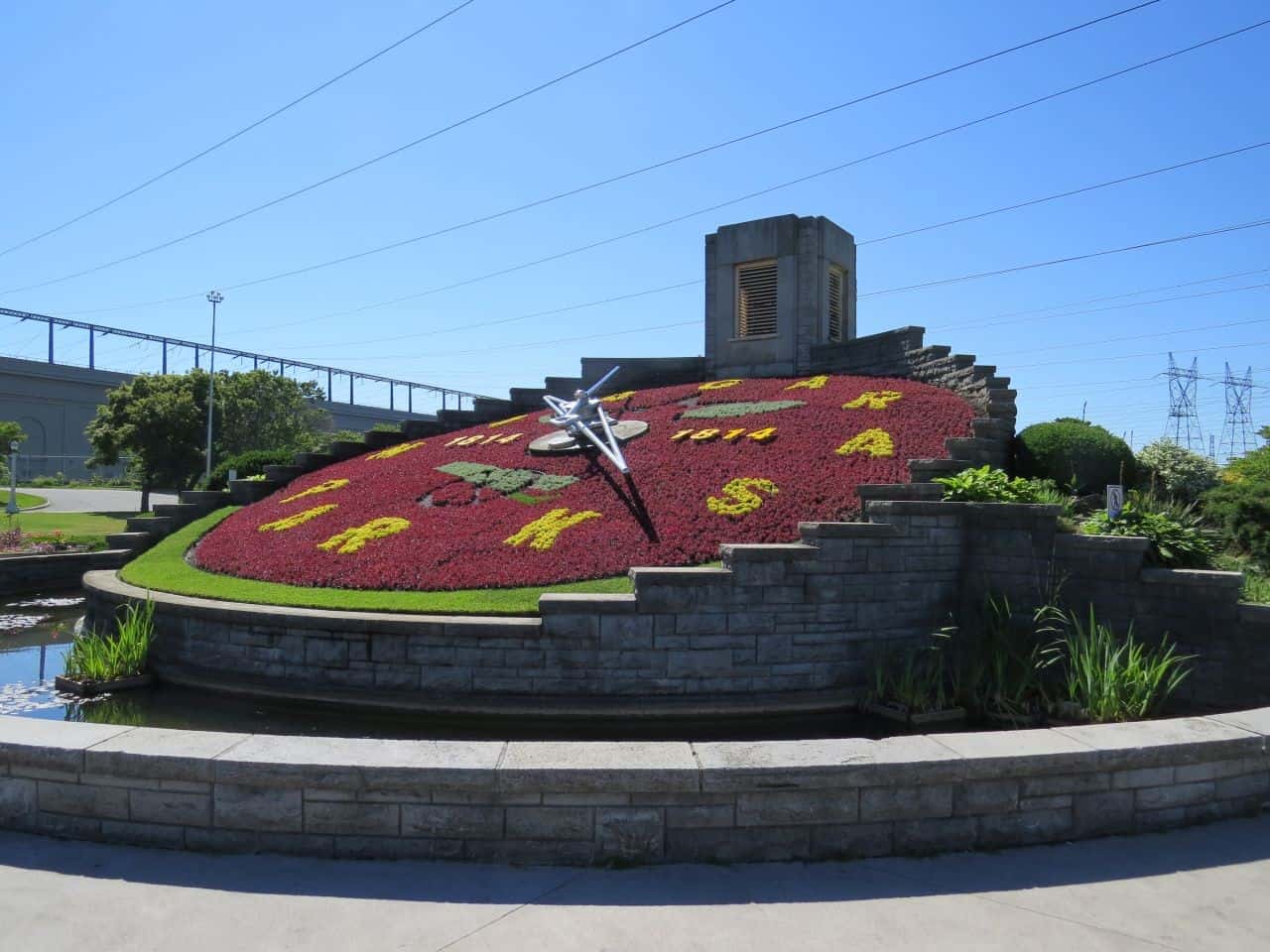
- Niagara Floral Clock: Horticulture highlight where many stop for a colourful selfie.
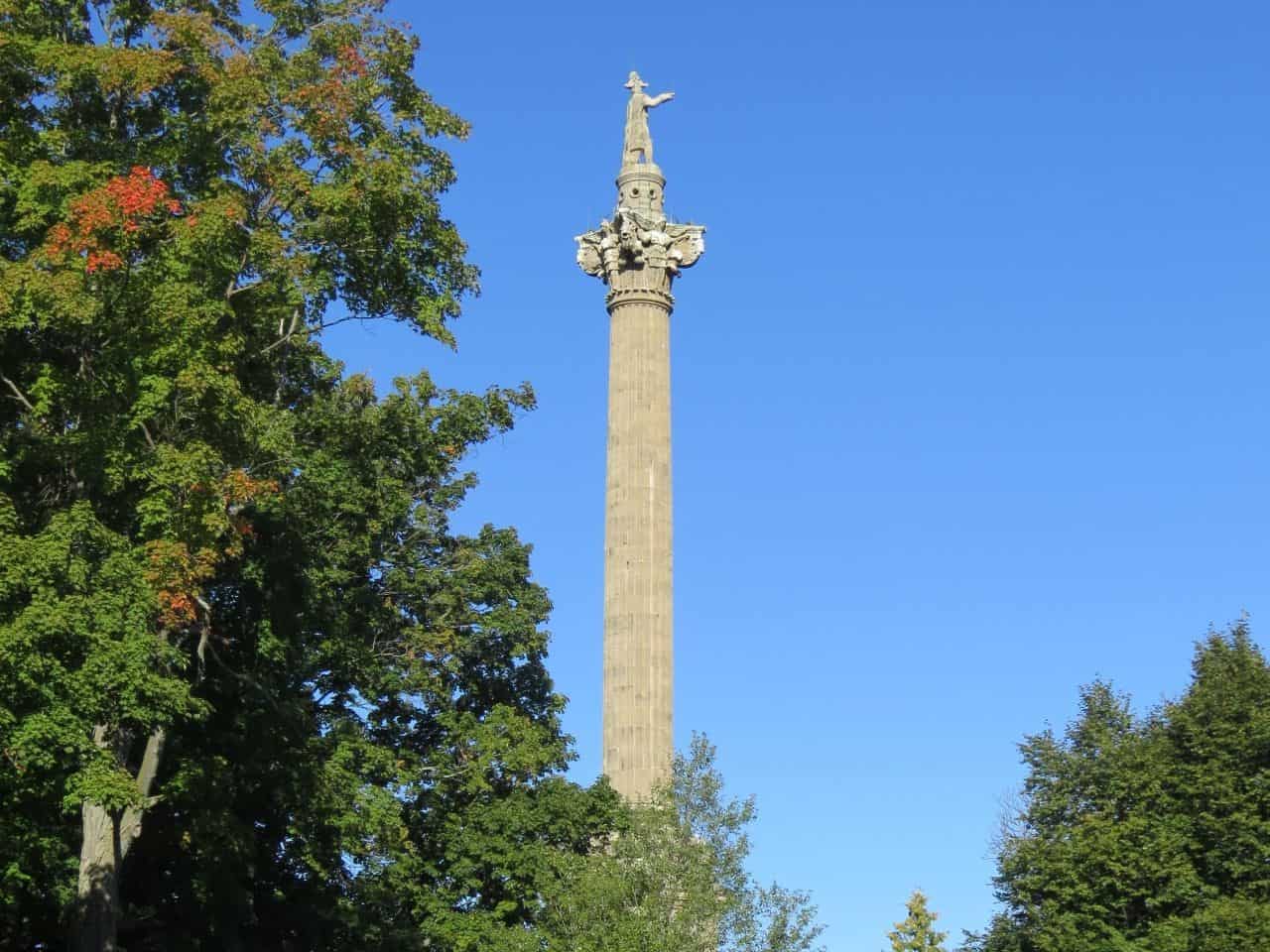
- Queenston Heights & Brock's Monument: Learn about Laura Secord, the War of 1812, and the role of Black militia in local defense.
Niagara-on-the-Lake & Fort George
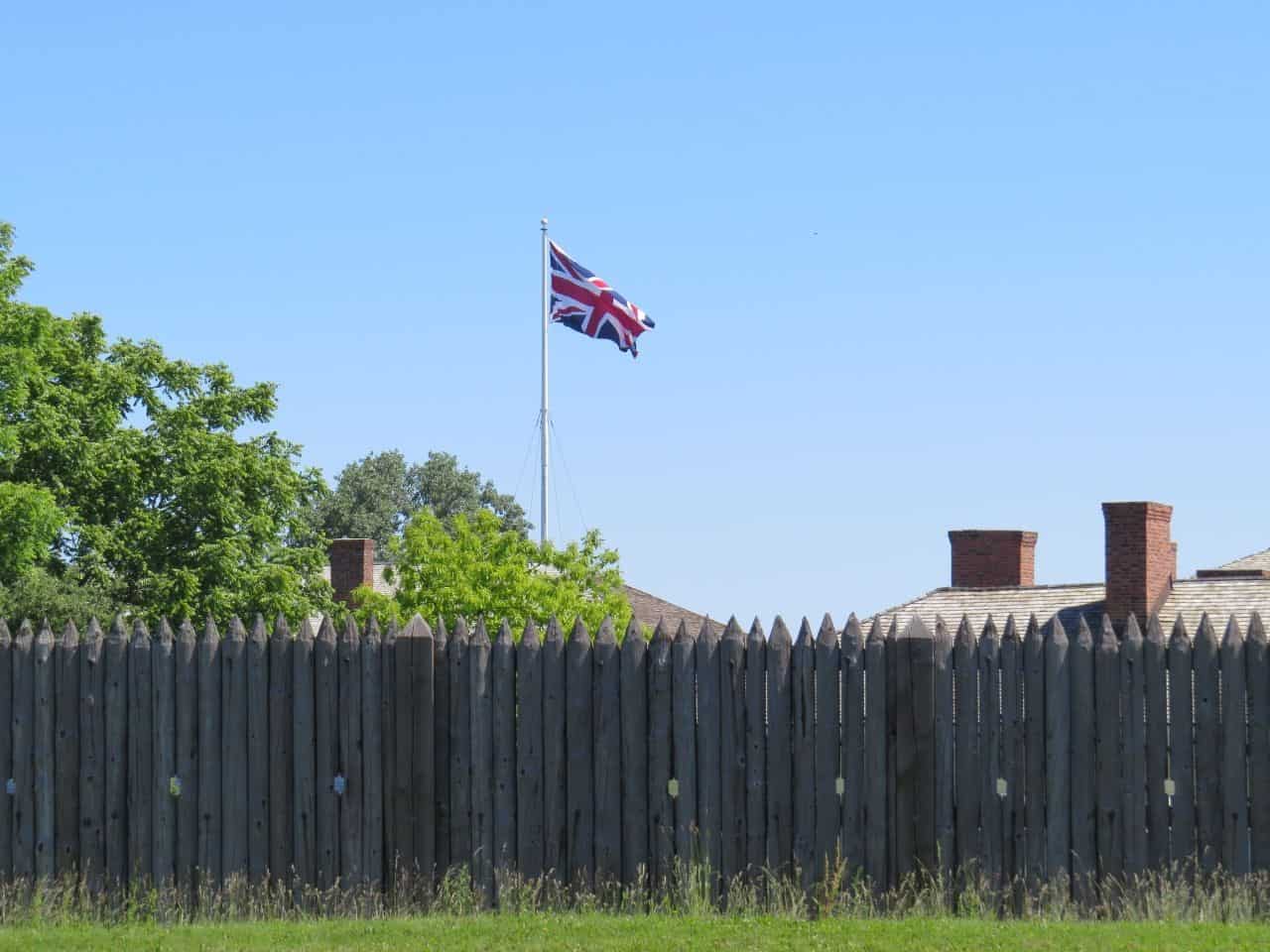
The final stretch brings you to historic Queenston Heights, with sites like the Mackenzie Printery and Laura Secord Homestead, before arriving at Fort George National Historic Site. Explore reconstructed fortifications, battlements, and earthworks overlooking the river. End at Fort Mississauga, an 1814–1816 defensive fortification on Lake Ontario's shore. Nearby Niagara-on-the-Lake offers charming streets, local shops, and wineries like Inniskillin, Reif Estate, and Jackson-Triggs, perfect for a celebratory refreshment after your journey.
The Niagara River Recreational Trail Is Part of a Larger Network
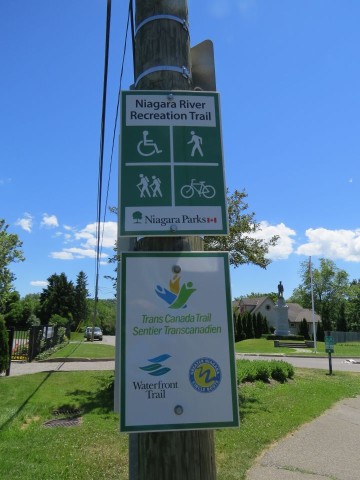
The Niagara River Recreational Trail is part of a broader system of connected routes across Ontario and Canada. It forms part of the 29,000 km Trans Canada Trail and links with sections of the 900 km Bruce Trail. It also connects to the Laura Secord Legacy Trail, Niagara Glen Trail, and is part of the famous Great Lakes Waterfront Trail, as well as other regional pathways. In addition, it is also sometimes known as the Fort-to-Fort Trail and as the Freedom Trail. These connections make it easy to extend your trip or combine multiple trails into a longer hiking or cycling adventure.
FAQs
Is the Niagara River Recreational Trail family-friendly?
Yes. The paved and mostly flat trail is suitable for children, casual walkers, and cyclists. There are many parks, attractions, and rest areas along the route.
How long does it take to walk or cycle the trail?
Walking the full trail typically takes 2–3 days. Cycling can be done in 5–7 hours, depending on stops and pace.
Are there historical sites along the trail?
Yes. The trail passes Fort Erie, Fort George, Fort Mississauga, Queenston Heights, Laura Secord Homestead, and key Underground Railroad sites.
Can I do this without a car?
Yes. Visitors from Toronto can take the GO Train to Niagara Falls and then start the trail. Some shuttle or bike rental options are available along the route.
What is the best season to visit?
Spring through fall is ideal. Summer brings full blooms and active waterfalls, but it can be very hot. Fall adds beautiful foliage and harvest season for wineries.
Local Highlights Along the Route
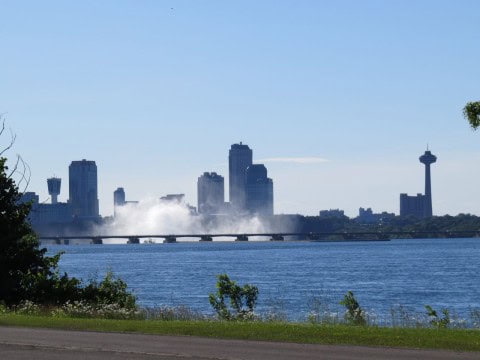
The Niagara River Recreational Trail stretches from Fort Erie to Niagara-on-the-Lake, Ontario, following scenic riverbanks and the Niagara Escarpment. Highlights include historic sites linked to the Underground Railroad, War of 1812 forts, and Indigenous history, as well as natural areas perfect for birdwatching. Vineyards, golf courses, and parks line the route. The trail is 15–30 minutes from Niagara Falls, making it ideal for visitors exploring the region.
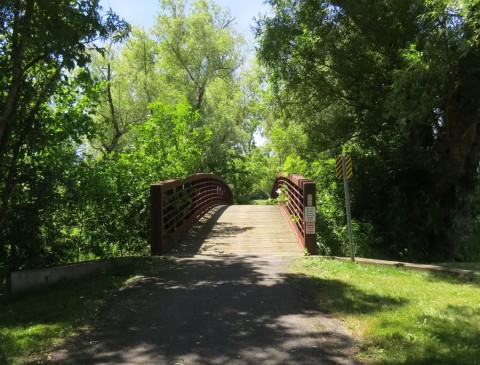
On our hike of this route, we especially enjoyed the contrast between exposed shoreline sections, quiet forested areas, and the lively atmosphere near Niagara Falls. Wildlife sightings, historic sites, and vineyard stops made the experience both active and reflective. We visited during two daysduring the height of summer, so we also appreciated the shaded parks along the route.
Summary / Takeaway
The Niagara River Recreational Trail in Ontario, Canada, offers a unique way to explore waterfalls, heritage sites, and wineries along the Niagara River. Whether hiking or cycling, visitors experience the natural beauty, history, and culture of the region in a single day or weekend adventure. With careful planning, it's an easy, memorable way to see Canada beyond Niagara Falls.
Travel Guide
-
British Columbia
When you subscribe to the blog, we will send you an e-mail when there are new updates on the site so you wouldn't miss them.
About the author












Comments 1
We hiked this trail last summer, it was beautiful