
Seeker Bio
Can You Cycle Across Canada on the Trans Canada Trail?

What Is It Really Like to Cycle the Trans Canada Trail Across Canada?
Yes, you can cycle across large parts of Canada using the Trans Canada Trail network, but it is not one continuous off-road bike trail. Some sections offer excellent long-distance riding, while others consist of highways, ferries, detours, or rough terrain that is difficult to cycle. This guide explains where the route works best, where it becomes challenging, and what cyclists should realistically expect when planning a cross-country ride.

Why Do So Many Cyclists Want to Ride Across Canada on the Trans Canada Trail?
For many cyclists, the Trans Canada Trail represents the possibility of crossing an entire country slowly and under their own power. On maps, the route appears as a continuous line stretching from the Atlantic to the Pacific and north to the Arctic Ocean. As such, it suggests long rail trails, quiet pathways, and a way to experience Canada beyond highways and major cities.
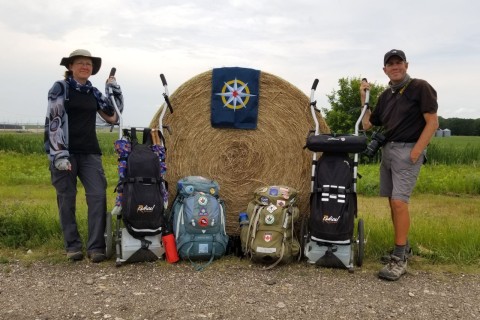
That idea was part of what drew us to the trail during our #Hike4Birds journey across Canada. Over several years, we walked more than 14,000 kilometres from coast to coast while following the Trans Canada Trail network through every province and territory along the route.
As the journey progressed, particularly west of Ontario, we began using trekking carts to carry supplies. Moving with wheels changed how we understood the trail. In particular, surfaces that felt manageable on foot suddenly became difficult for rolling movement. Railway ballast, mud, washouts, deep sand, highways, and long road sections all shaped the experience differently.
What we learned is simple: the Trans Canada Trail is not a single trail. It is a network of routes, and understanding that distinction is essential for anyone planning a cross-country cycling trip.
Key Facts About Cycling the Trans Canada Trail
| Category | Details |
| Best Cycling Sections | Confederation Trail (PEI), Route Verte (QC), Kettle Valley Rail Trail, (BC) |
| Most Difficult Sections | T'Railway Trail (NL), Northern Ontario highways, northern routes |
| Best Time to Ride | June to September |
| Recommended Bike Type | Gravel bike or touring bike |
| Typical Surfaces | Rail trails, gravel roads, paved pathways, highways |
| Time Needed | Several weeks to several months |
| Cost Range | Moderate to high depending on gear and accommodations |
| Accessibility | Some sections beginner-friendly, others require advanced planning |
Related Guides:

Why Does the Trans Canada Trail Feel Different on the Ground Than on the Map?
One of the biggest surprises for cyclists is how different the Trans Canada Trail feels in reality compared to how it appears online. Specifically, the Trans Canada Trail map suggests a continuous cross-country route. However, the experience on the ground is much more varied.
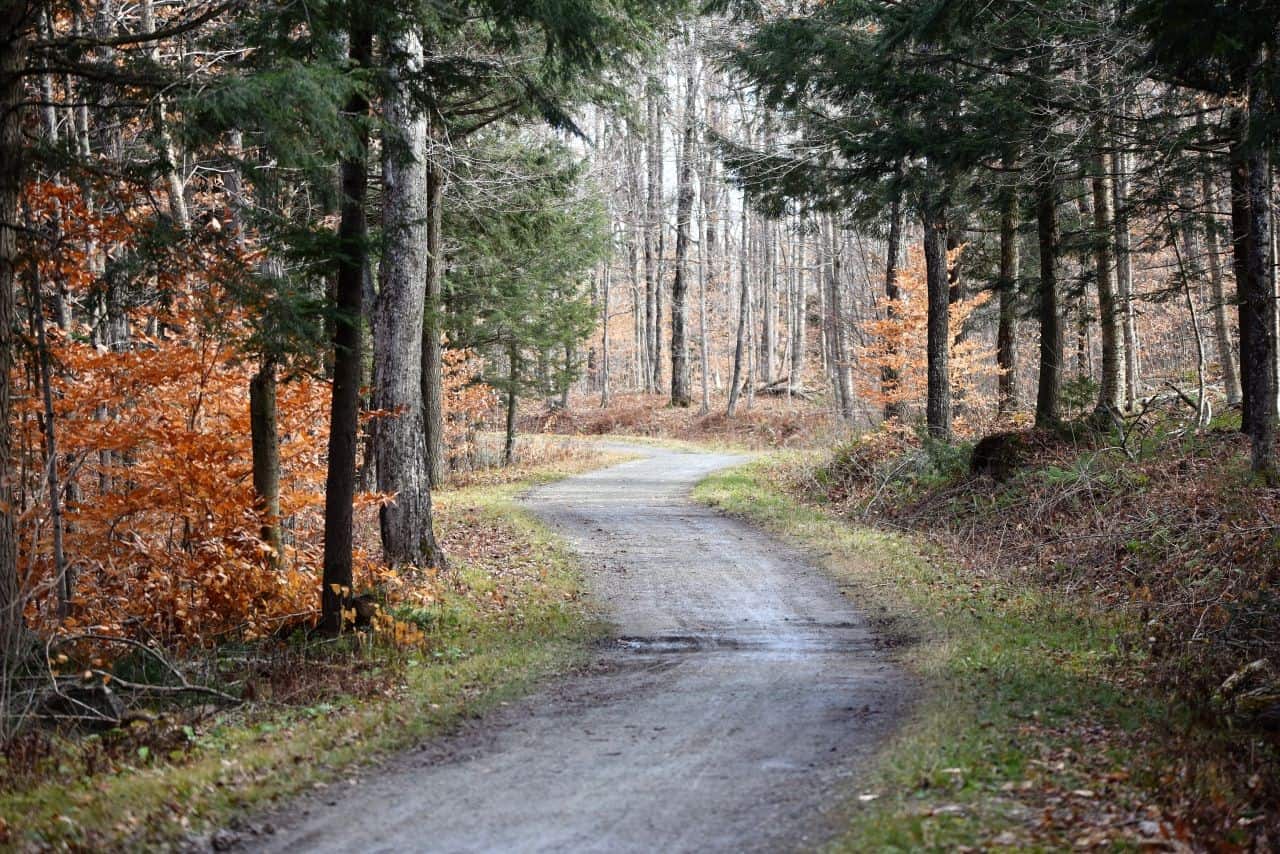
Some sections are ideal for long-distance touring. For example, riders can travel for days on former rail corridors, quiet gravel paths, and well-maintained cycling infrastructure in eastern Ontario between Ottawa and Lindsay. In contrast, other sections shift suddenly onto highways, rough ATV routes, wilderness footpaths, or water crossings where no practical cycling trail exists at all.
Newfoundland is one of the clearest examples. The 883 km long T'Railway Trail crosses the island along a former railway corridor and appears, at first glance, to be perfect for bike touring. In practice, much of the route is covered in deep railway ballast — loose, sharp stone that slows progress and damages tires. During our crossing, nearly every cyclist we met eventually moved onto the Trans Canada Highway because the trail conditions became too difficult to sustain over long distances.
Elsewhere, the challenge is continuity rather than surface. For example, if you are cycling New Brunswick or cycling Nova Scotia, you will find several excellent individual trail systems, but riders regularly encounter road connectors, water crossings, or fragmented sections. Similarly, in Northern Ontario and much of the North, the route becomes heavily highway-based for hundreds of kilometres at a time.
None of this makes the journey impossible. It simply changes how cyclists should approach it. The Trans Canada Trail works best when understood as a flexible national network rather than one uninterrupted off-road trail.

What Makes a Section of the Trans Canada Trail Good for Cycling?
After crossing Canada on foot and moving thousands of kilometres with trekking carts, we found that several factors consistently shaped whether a section worked well for rolling travel.
Surface consistency matters more than many riders initially expect. The best cycling sections combine firm, predictable surfaces with gradual grades that allow steady movement over long distances. For example, Prince Edward Island's Confederation Trail is a strong example. The compact crushed stone surface is smooth, reliable, and easy to ride for days at a time.
Continuity also changes the entire experience. In particular, cyclists build momentum when routes allow them to travel long distances without constantly rerouting or navigating traffic. Quebec stands out because its trail systems and cycling infrastructure remain connected across large parts of the province. As a result, riders spend less time solving logistical problems and more time simply moving through the landscape.
Traffic exposure becomes especially important in provinces where the official route relies heavily on highways. For example, in Northern Ontario, sections of the Prairies, and the northern routes toward the Arctic require extended riding beside active traffic. Physically these sections may still be manageable, but mentally they can become exhausting after days of transport trucks, crosswinds, and narrow shoulders.
Distance between services also shapes the ride. Across Manitoba and Saskatchewan, cyclists often travel long stretches between resupply points. As a result, in these areas water, weather, and accommodation planning become just as important as physical fitness or navigation.

Where Does Cycling the Trans Canada Trail Work Best?
Some sections of the Trans Canada Trail offer genuinely excellent bike touring conditions and rank among the best long-distance cycling routes in Canada.
Prince Edward Island remains one of the strongest regions for beginner and intermediate riders. The Confederation Trail stretches across much of the island along a former railway corridor, creating gentle grades and reliable surfaces through farmland, forests, small communities, and coastal landscapes. In addition, services are easy to access, and the pace of travel feels naturally suited to bike touring.
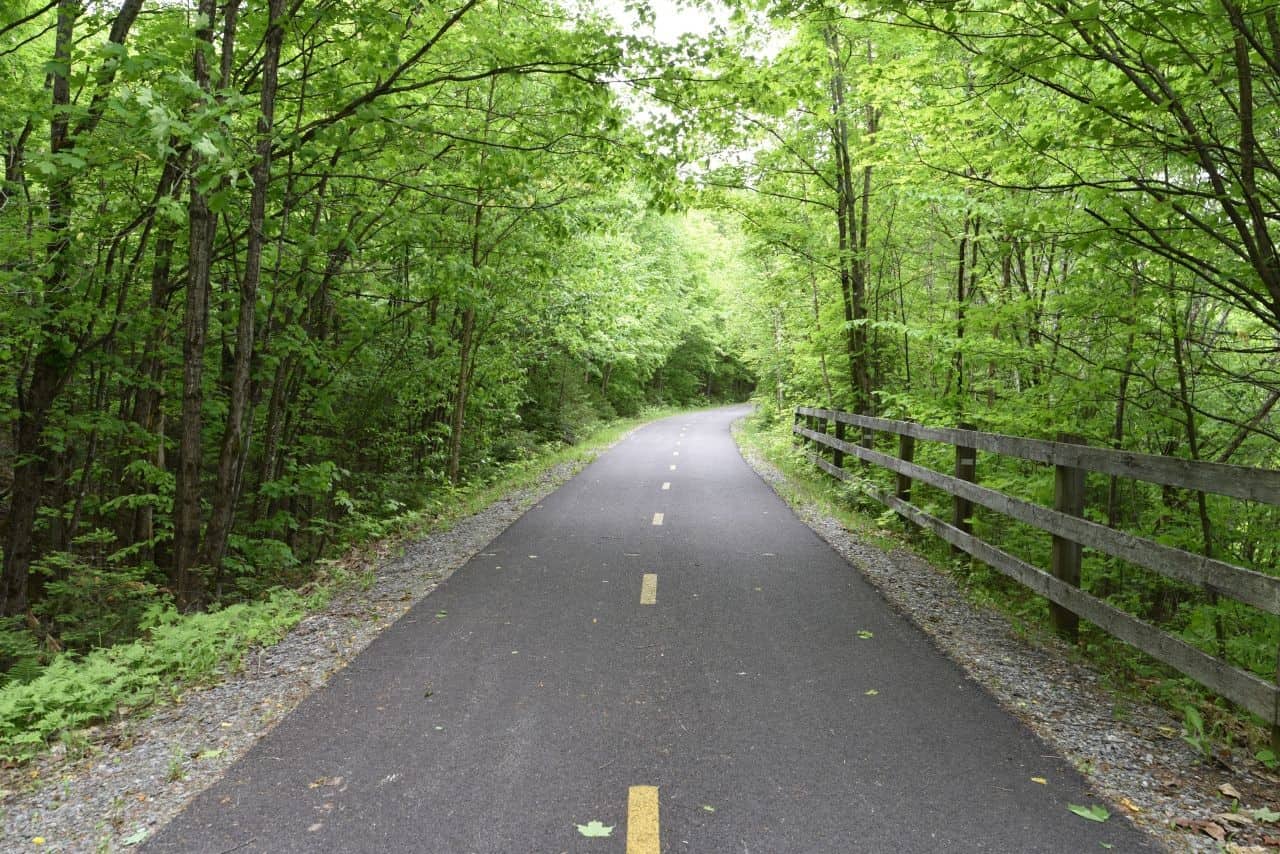
Quebec offers perhaps the most extensive cycling infrastructure in the country. The Route Verte network connects directly into portions of the Trans Canada Trail and allows riders to travel over 5,000 km on well-developed cycling corridors. In particular, the P'tit Train du Nord, north of Montreal, is especially popular for its combination of mountain scenery, historic villages, lakes, and excellent riding conditions.
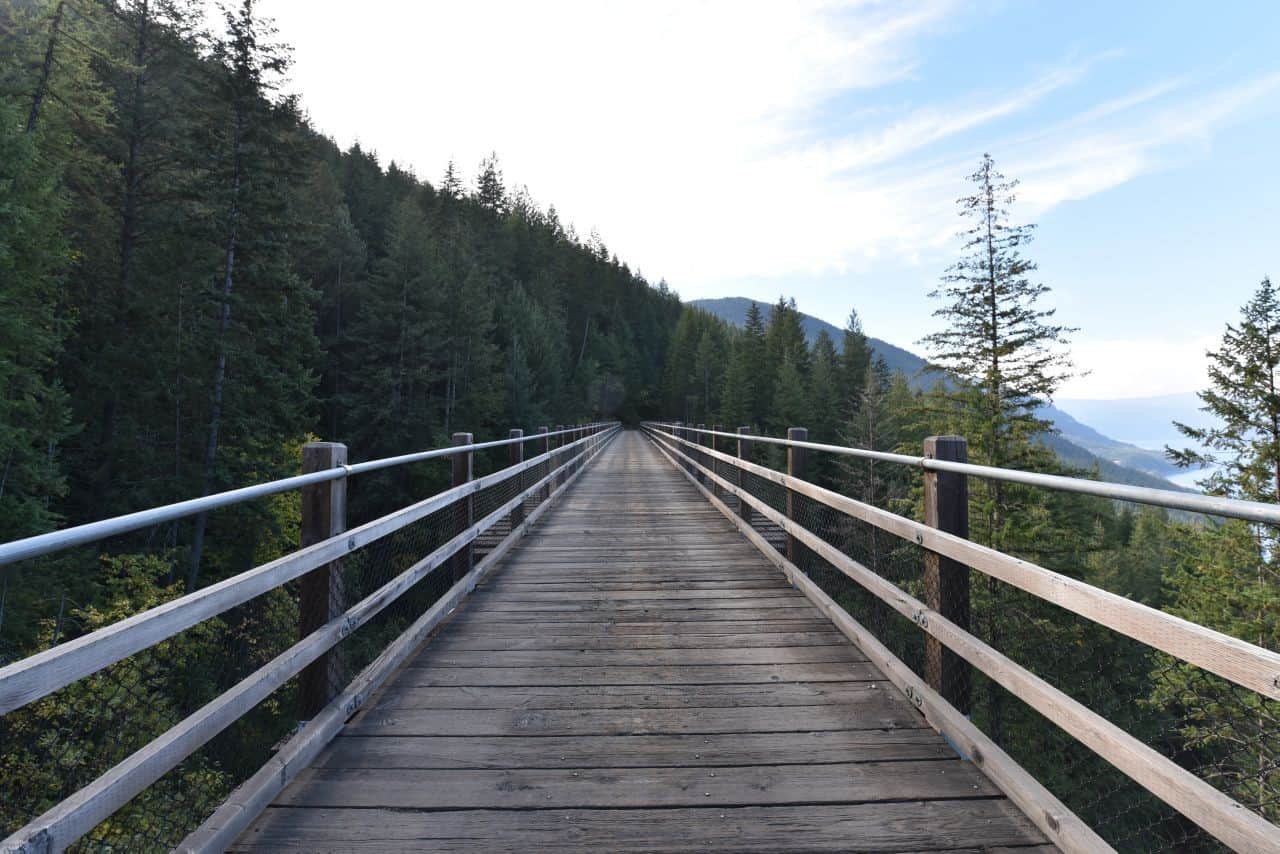
British Columbia contains some of the most memorable scenery along the entire network. For example, the famous Kettle Valley Rail Trail combines railway tunnels, trestles, canyons, and mountain valleys into one of Canada's iconic bikepacking experiences. Vancouver Island also stands out for its connected trail systems, including the Galloping Goose and Cowichan Valley Trail.
Eastern Ontario works well as a continuation of Quebec's cycling infrastructure, though route continuity decreases farther west. As riders move toward Northern Ontario, the experience gradually shifts from trail touring toward longer highway travel.

Who Is the Trans Canada Trail Best Suited For?
The Trans Canada Trail can work for a wide range of cyclists, but not every section suits every type of rider.
Cyclists looking for relaxed rail trail touring often enjoy Prince Edward Island, Quebec, and sections of British Columbia. These areas offer smoother surfaces, stronger infrastructure, and more reliable services.
Riders attempting a full cross-country journey should expect a much broader range of conditions. Long-distance touring experience becomes important in remote regions where weather, traffic, and resupply challenges increase significantly.
The route is generally best suited to:
- Gravel bikes with wider tires
- Touring bikes designed for carrying gear
- Bikepackers comfortable adapting routes
- Cyclists with experience riding mixed surfaces
Many riders also combine sections of the Trans Canada Trail with secondary roads, provincial cycling routes, ferries, and alternate touring corridors. Flexibility is often more important than following every official trail segment precisely.
Frequently Asked Questions About Cycling Across Canada on the Trans Canada Trail
Can you bike across all of Canada on the Trans Canada Trail?
Yes, but not entirely on off-road trails. Most cyclists combine Trans Canada Trail sections with highways, ferries, rural roads, and alternate cycling routes depending on conditions and connectivity.
What is the best section of the Trans Canada Trail for cycling?
Prince Edward Island and Quebec offer some of the best overall riding conditions because of their continuity, trail quality, and cycling infrastructure. The Rail Trails of British Columbia also contain several outstanding long-distance trails.
Is the Trans Canada Trail fully connected for cyclists?
No. The network is technically connected, but some sections rely on roads, water crossings, walking-only routes, or terrain that is not practical for long-distance cycling.
What type of bike works best for the Trans Canada Trail?
A gravel bike or touring bike with wider tires works best because riders encounter everything from pavement and compact gravel to rough rail ballast and highways.
How long does it take to cycle across Canada?
Most cyclists need several months depending on route choices, pace, weather, and how much time they spend exploring different regions.
Is cycling across Canada safe?
Many sections are safe and enjoyable, especially dedicated rail trails and provincial cycling networks. However, some regions require extended highway riding, which demands experience, visibility, and careful planning.

What Makes Cycling Across Canada Such a Unique Experience?
One of the most rewarding parts of cycling across Canada is the changing character of the landscape itself. Every province alters the rhythm of the ride.
In Atlantic Canada, the journey moves through fishing villages, coastal cliffs, forests, and small communities shaped by the ocean. Quebec combines historic towns, cafés, river valleys, mountains, and one of the strongest cycling cultures in North America.
Across Ontario and the Prairies, the scale of the country becomes more apparent. Specifically, riders travel through forests, wetlands, farmland, and long stretches of open road shaped by weather, distance, and changing seasons.
British Columbia transforms the experience again. Here, mountain valleys, railway trestles, forests, wildfire zones, and alpine terrain create some of the most dramatic riding conditions anywhere in Canada.
"To me it doesn't matter whether it's
by Mark Cavendish
raining or the sun is shining or whatever:
As long as I'm riding a bike I know
I'm the luckiest guy in the world."
Summary: Is Cycling Across Canada on the Trans Canada Trail Worth It?
Cycling across Canada using the Trans Canada Trail network is possible, but it requires flexibility, realistic expectations, and careful planning. Some sections offer world-class bike touring, while others require highway riding, detours, or challenging terrain.
For cyclists willing to adapt, the journey is an extraordinary way to experience Canada's landscapes, communities, and regional differences at a slower pace. The Trans Canada Trail is not one continuous off-road route, but it remains one of the most ambitious and rewarding long-distance cycling experiences in North America.
Travel Guide
-
British Columbia
When you subscribe to the blog, we will send you an e-mail when there are new updates on the site so you wouldn't miss them.
About the author










Comments