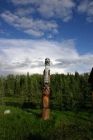
Canada Parks include national, provincial, territorial, regional, municipal, community, recreation and wilderness parks. Every province and territory in Canada maintains a good selection of parks.
Most of the Canada parks operate seasonally with the peak months of operation occurring during the months of May to late September. Many of the larger Canada parks are created to protect the environment and wildlife in the region while promoting recreational activities.
The most popular park activities enjoyed in a Canada Park include hiking, camping, swimming, backpacking, canoeing, kayaking, mountain biking, fishing, picnicking, birdwatching, wind surfing, photography and much more.
Some of the more common amenities located in the larger developed parks include a campground, sandy beach, showers, washrooms, sani station, park office, picnic area, playground, marina, boat launch and more.
Select a Canadian Province or Territory to Explore Parks in Canada.
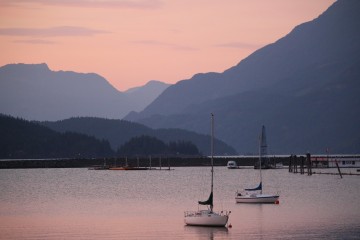
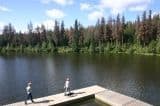
Things to do on Harrison Lake in the Harrison River Valley near the community of Harrison Hot Springs BC. Harrison Lake is the largest lake located in southwestern British Columbia, Canada.
Saskatchewan Beach includes an east beach and a west beach. The east beach includes a sandy beach, playground and a picnic area. The west beach includes a sandy beach, a playground, a boat launch and a sailing club.
The Tramline Trail connects the Village of Lake Louise to the shores of Lake Louise in Banff National Park. The route is used as a community trail connecting the chateau resort with the village square and with other adventure trails in the area.
The 2,758 hectare Columbia Lake is said to be the warmest fresh water lake in the East Kootenay region. There is a 3 kilometre, largely undeveloped, beach area, a wetland marsh area and grasslands. All attract visitors who enjoy birding, wildlife viewing & photography
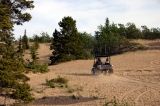
Carcross Desert is a 260 hectare desert referred to as "The World's Smallest Desert " popular for sightseeing, offroading, hiking, sandboarding, cross country skiing, snowmobiling
Forests for the World is a 106 hectare interpretive demonstration forest with 15 (8.5 mi.) kilometres of hiking trails with viewing towers, lakes, sightseeing benches and birding.
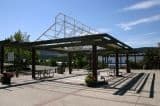
The park consists of two levels. The upper plaza level is highlighted by the canopy and is surrounded by a row of sitting benches and a few picnic tables. The lower plaza is at street level and is identified by the large standing clock on the sidewalk.
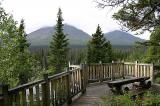
The trail is an educational adventure with interpretive signs lining the route detailing the life cycle of the Spruce Beetle and the destruction resulting from their feeding habits on the forests of the Yukon Territory.