
Seeker Bio
The Crow Wing Trail / Chemin St. Paul: Manitoba’s Canadian Camino

Canadian Camino Pilgrimage Route on the Trans Canada Trail in Manitoba
A historic prairie trail connecting communities, cultures, and slow travel landscapes
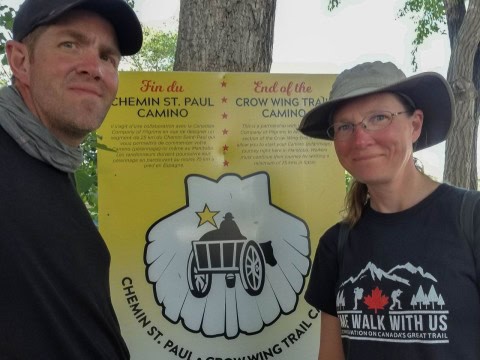
The Crow Wing Trail / Chemin St. Paul: Manitoba's Canadian Camino unfolds across the open prairies as a long-distance pilgrimage route that blends natural beauty, history, community, and the joys of contemporary slow travel. Tracing roughly 193 kilometres from St. Norbert on the outskirts of Winnipeg to the border town of Emerson, the trail follows the footsteps of 19th-century Métis traders and pioneers who navigated the dense forests, open prairie, and river crossings of the Red River Valley. Today, this section of the Trans Canada Trail offers modern hikers and cyclists a chance to experience a long-distance route where heritage, wildlife, and wide-open landscapes converge under an expansive prairie sky. Furthermore, the Canadian Company of Pilgrims recognizes the Chemin St. Paul as an official Canadian Camino, allowing kilometres walked on the Manitoba prairies to be counted alongside those completed on the Camino de Santiago in Spain. For these reasons and more, the Crow Wing Trail/Chemin St. Paul has been ranked one of the best hikes in Manitoba Canada and is one of our favourite pilgrimage routes in Canada.
History of the Crow Wing Trail / Chemin St. Paul: Manitoba's Canadian Camino
Long before it was mapped as a hiking trail, the Crow Wing route formed part of an extensive Indigenous travel network across the prairies. Rivers, seasonal movement, and natural corridors shaped how people moved through this landscape, linking communities across what is now southern Manitoba. These pathways were vibrant arteries of trade, culture, and relationship,
In 1844, Métis trader Peter Garrioch and his crew cut a direct route north from Crow Wing, Minnesota to the Red River Settlement (present day Winnipeg), hoping to avoid capture by Dakota patrols and return before winter set in. Their journey established the route of what later became known as the Crow Wing Trail, a vital prairie trade corridor that soon filled with Red River carts carrying goods, families, and stories between communities. The trail was not simply a road; it was a lifeline that connected cultures, economies, and ways of life across the northern plains.
Today, historic plaques, museums, cemeteries, and subtle traces on the land itself reveal this layered past to those who walk the route. The experience of the Crow Wing Trail is inseparable from this history: each river crossing and village stop is an invitation to reflect on movement, migration, and resilience in the Canadian West.
"I only went out for a walk, and finally concluded to stay out till sundown, for going out, I found, was really going in."
John Muir
Manitoba Communities along the Crow Wing Trail
For pilgrims and hikers who walk the entire length of the Crow Wing Trail, much of the experience is shaped by the communities along the way. Beginning in St. Norbert at Winnipeg's southern edge, the route winds through Saint Adolphe, Niverville, Otterburne, St. Pierre-Jolys, St. Malo, Senkiw, the Roseau River First Nation, Ridgeville, and finally Emerson at the Canada–US border. We thru-hiked the trail over five days in July, stopping overnight in Niverville, St. Pierre-Jolys, St. Malo Provincial Park, and Ridgeville. With each new town, we uncovered a little more of the region's character, history, and stories.
These communities aren't just convenient stops - they're part of the experience. In particular, local parks, cafés, campgrounds, and small museums give travelers opportunities to rest, resupply, and learn about the layered histories of the area. For us, these towns became anchors along the trail, where conversation, hospitality, and local stories enriched the long-distance journey. As a result, in many ways they evoked the experience of walking Spain's Camino de Santiago, where pilgrims end each day with a comfortable bed, a meal, a glass of vino tinto, and a stamp in their pilgrim passport.

Why the Crow Wing Trail Is a Canadian Camino
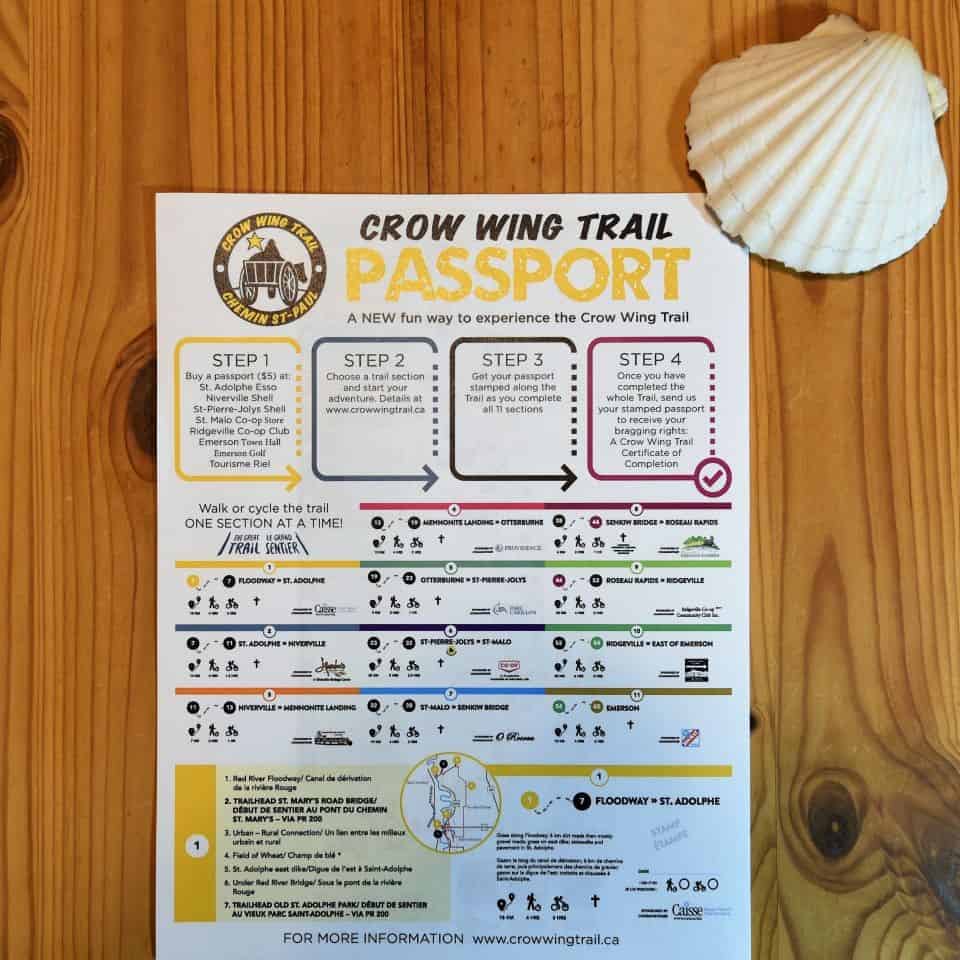
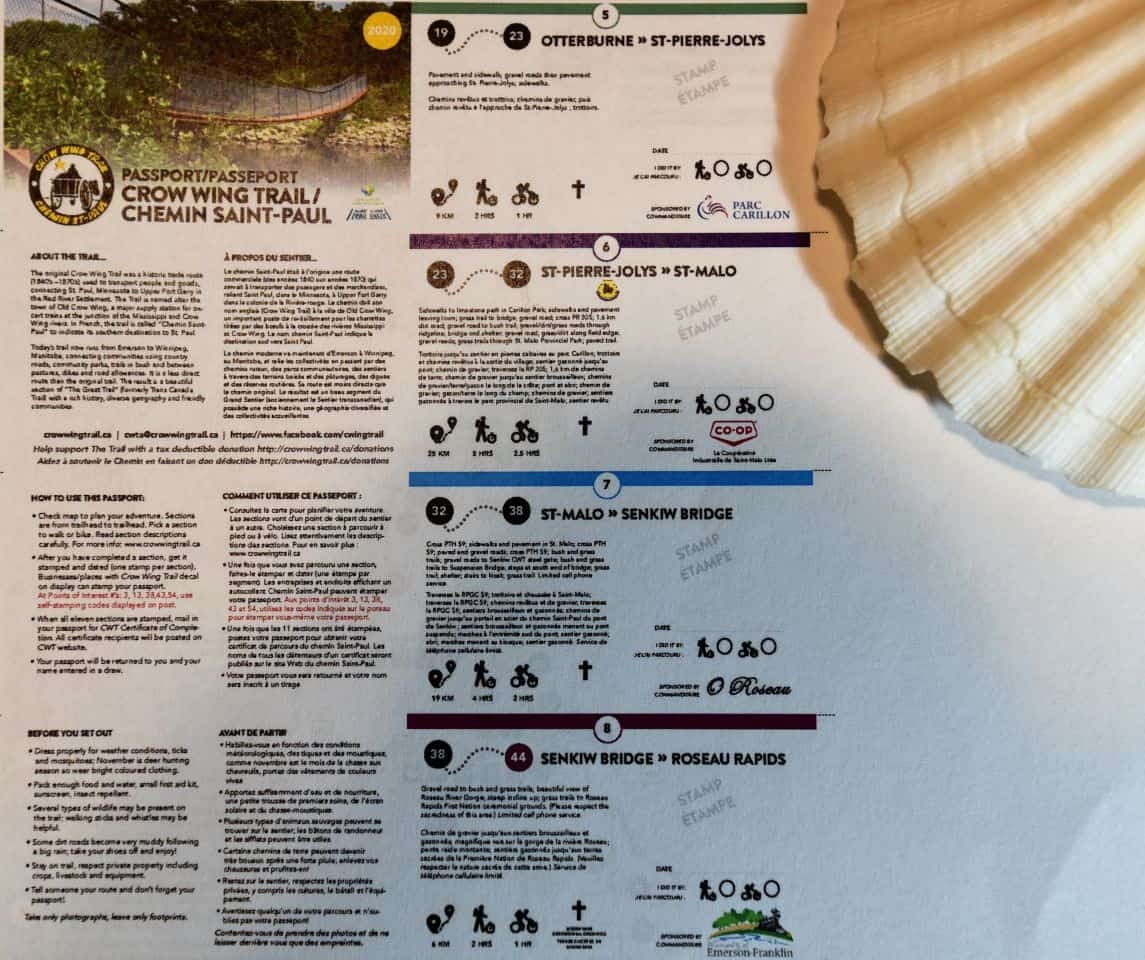
Designated as the Chemin St. Paul by the Canadian Company of Pilgrims, the Crow Wing Trail follows the tradition of the Camino de Santiago, while also remaining deeply rooted in prairie landscapes and Canadian history. Pilgrims walking the Chemin St. Paul can collect stamps (sellos) from local businesses, accommodations, and institutions in a Camino-style passport that can be purchased at designated stops on the trail. Once filled with stamps, this passport can be submitted as proof of completion at the end of the Camino to receive a certificate. Alternatively, pilgrims can walk a 25 km stretch of the Chemin St. Paul from St. Pierre-Jolys to St. Malo, and then walk another 75 km in Spain to obtain their Compostela, a certificate awarded by the Catholic Church to pilgrims who have walked at least 100 km to reach the tomb of St. James in Santiago de Compostela, Spain. As a result, the Chemin St. Paul pilgrimage trail is a powerful way to connect the ancient Camino routes of Europe to Canada, and it is one of our favourite Canadian Caminos.

Walking the Crow Wing Trail Today: A Modern Thru-hike Experience
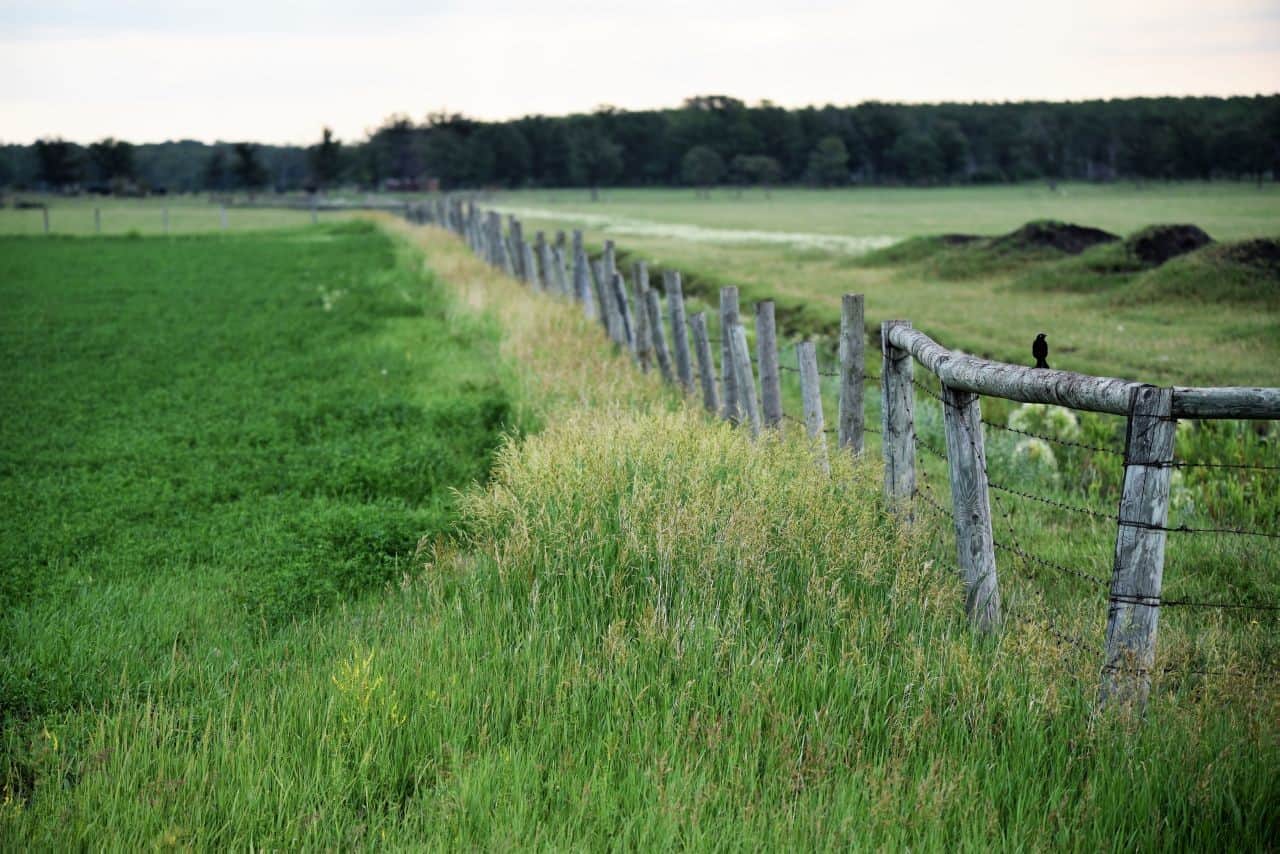
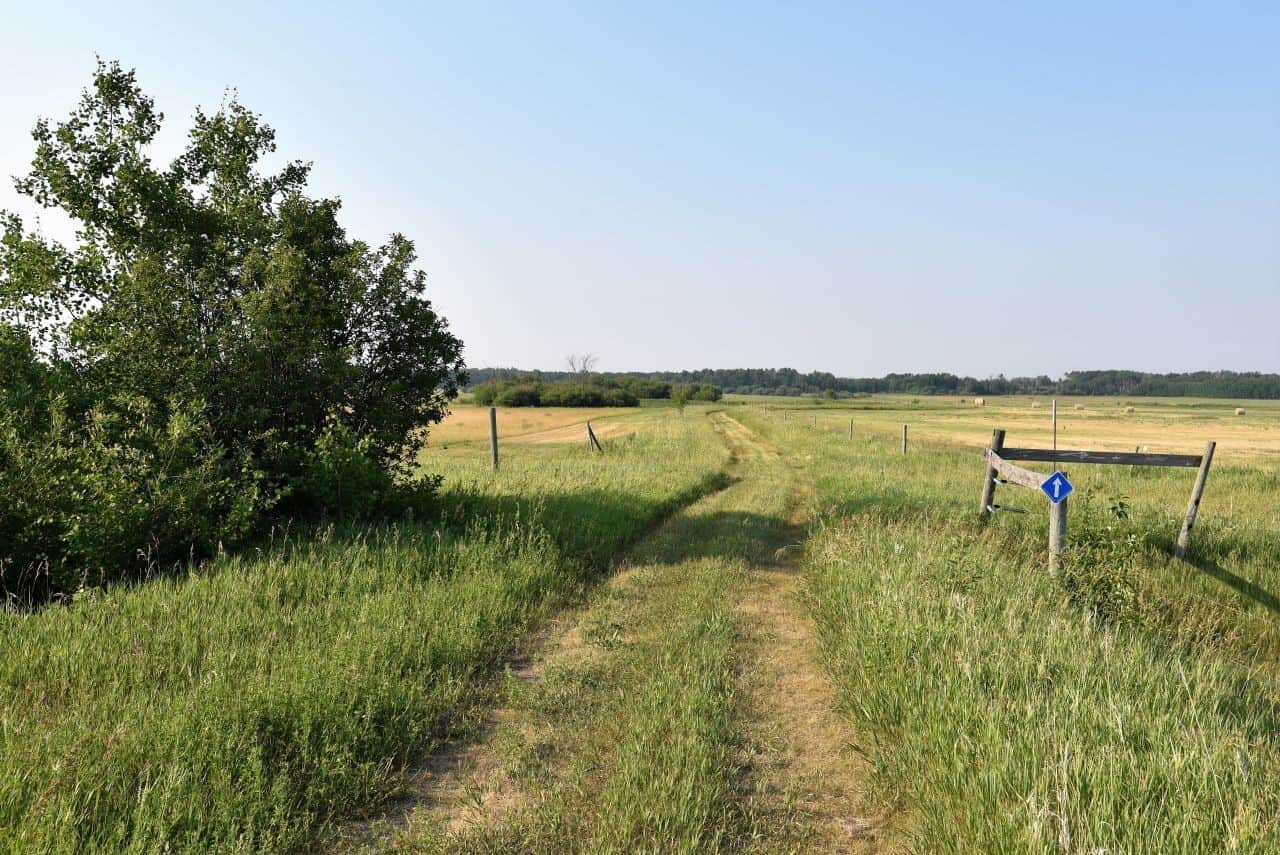
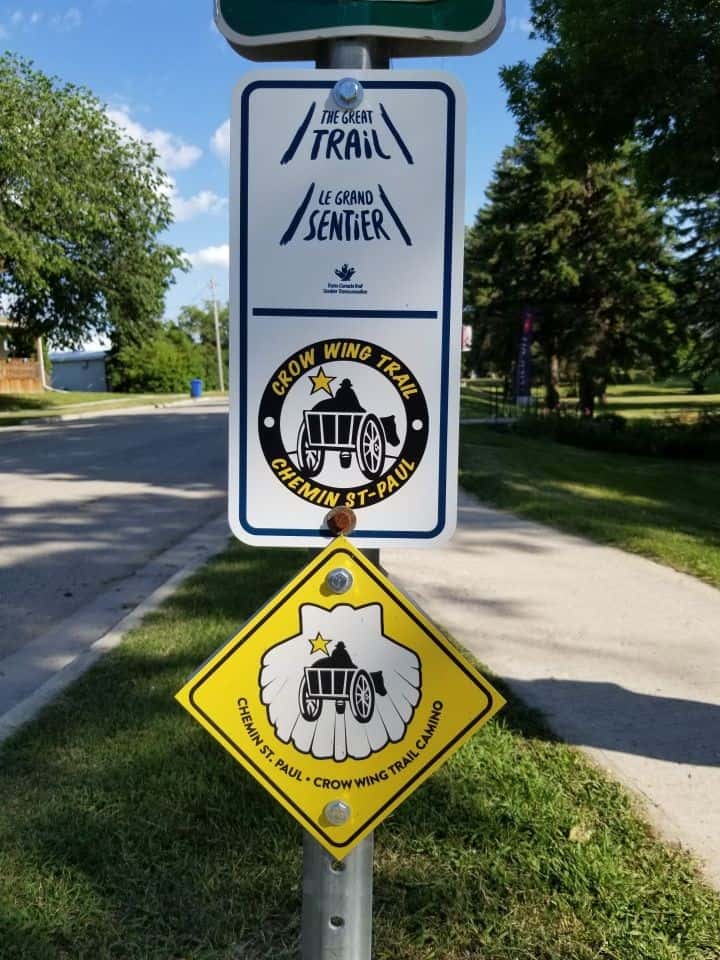
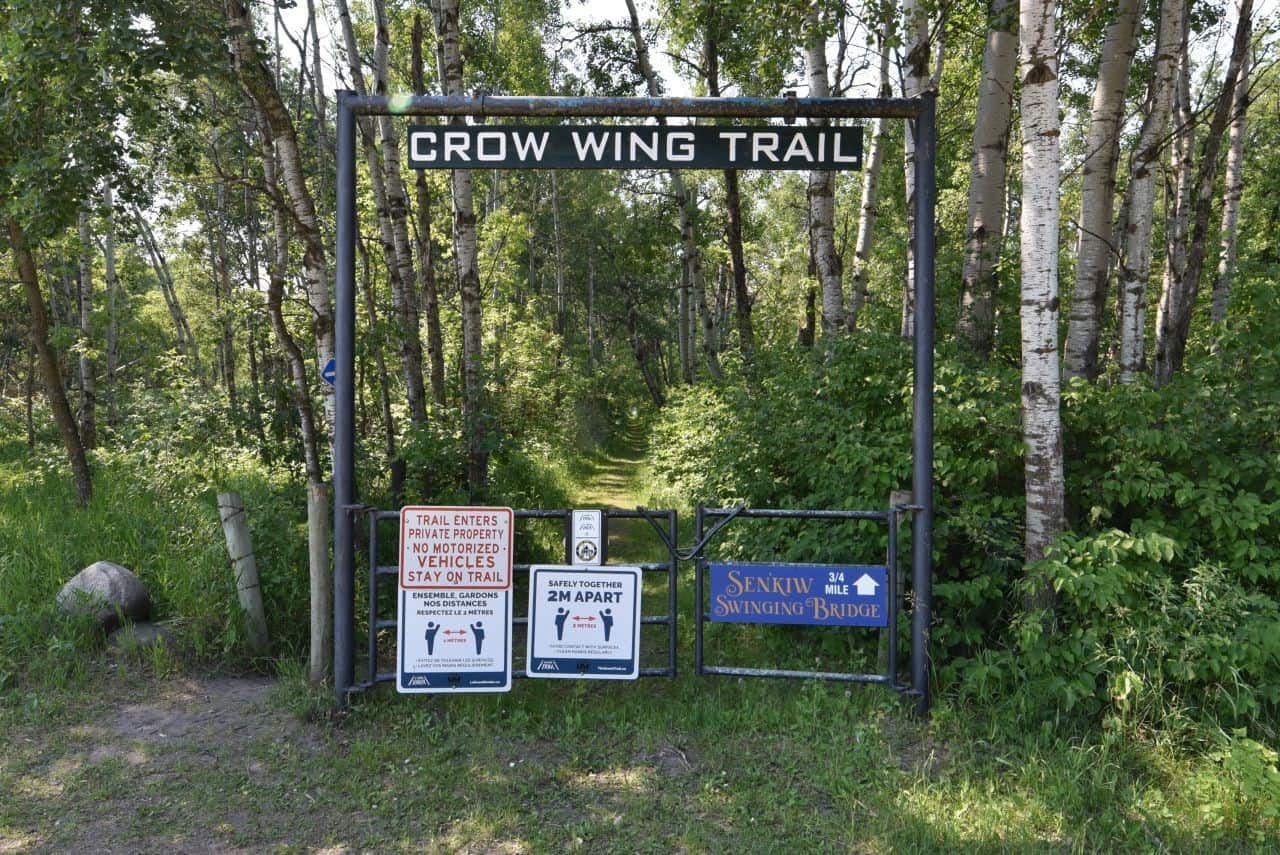
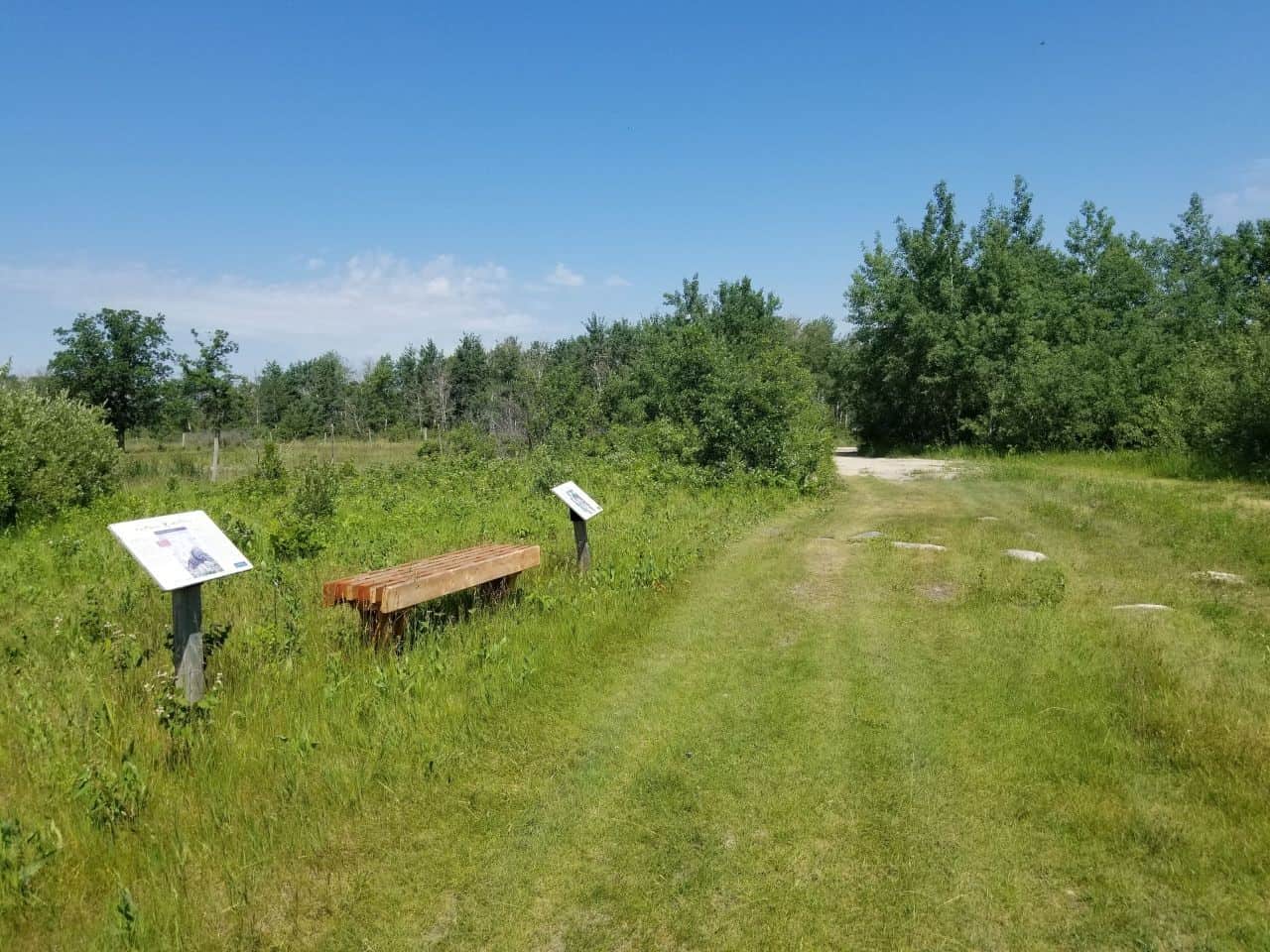
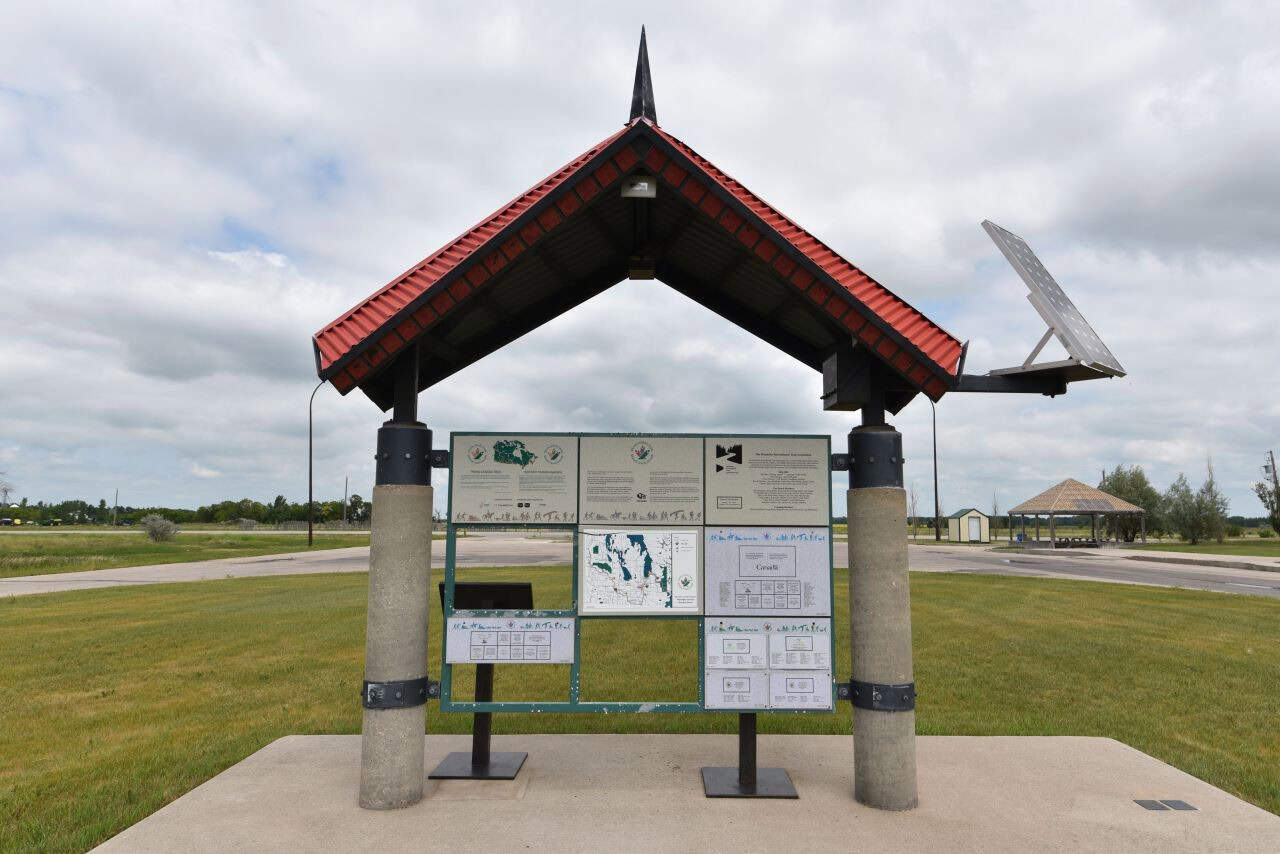
Today the Crow Wing Trail is a well-marked multi-use pathway that connects a series of communities using quiet country roads, community parks, natural corridors, pasture tracks, dikes, and road allowances. Having walked over 460 kilometers of the Trans Canada Trail network in Manitoba, including the iconic rail trails of Manitoba Canada, we found the Crow Wing Trail to be one of the most rewarding prairie walking experiences we've encountered in this prairie province. For example, interpretive signs are located at points of interest along the trail, and many of the communities it passes through offer a variety of amenities, including overnight accommodations. For pilgrims who have walked the Camino Frances, it offers an experience similar to crossing the Spanish Meseta.
Historical and Cultural Highlights Along the Route
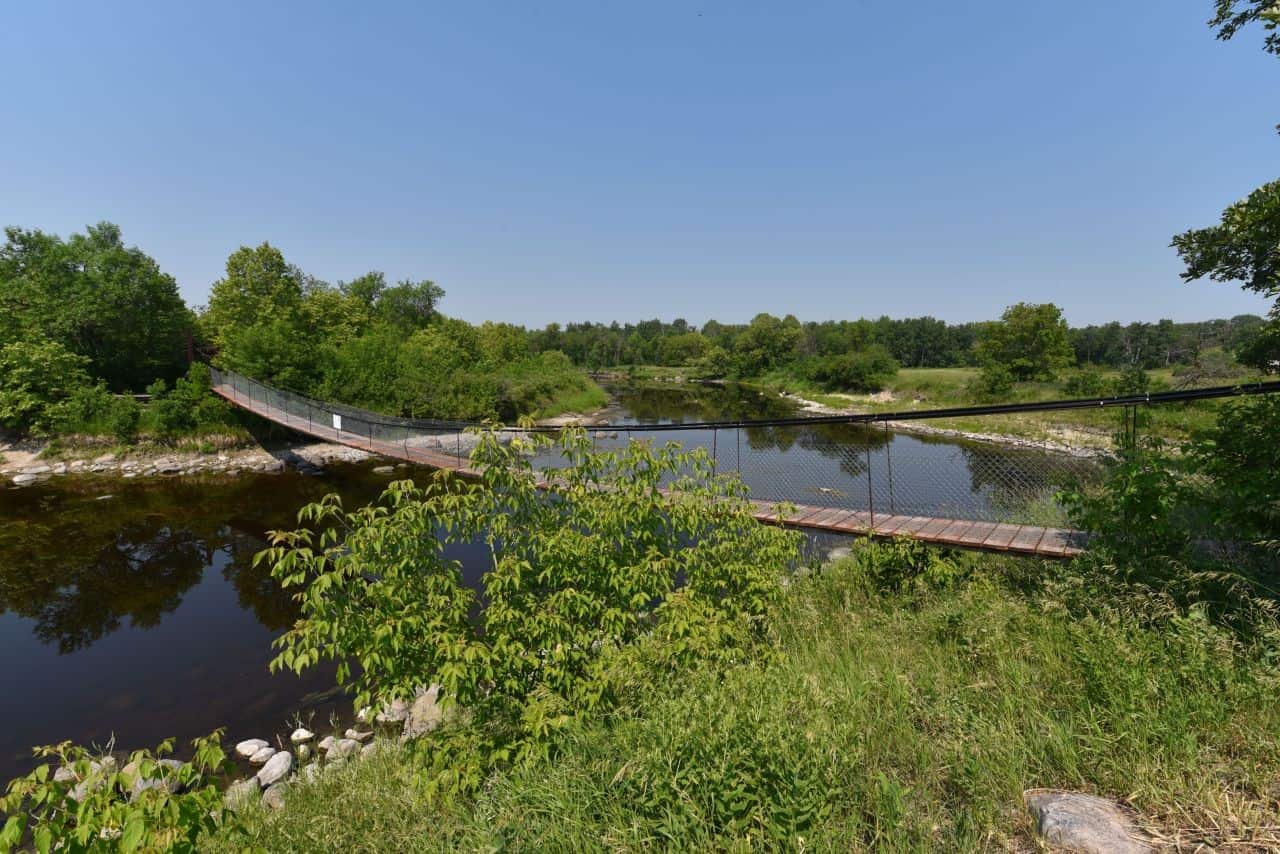
Walking the Crow Wing Trail is a journey through centuries of human movement and meaning. Near the northern terminus, St. Norbert Heritage Park includes a National Historic Civil Engineering Site recognizing the Red River Floodway. Furthermore, at the junction of the Rat and Red Rivers, the Mennonite Memorial Landing Site marks where the first Mennonite settlers arrived in 1874, a powerful reminder of faith, courage, and migration. Next, crossing the Senkiw Swinging Bridge over the Roseau River is both a physical and symbolic passage. Narrow and gently swaying, it recalls a time when local children crossed the river by cable basket to reach their one room schoolhouse. Finally, in St. Malo, the Our Lady of Lourdes Grotto and Shrine — built in 1896 and modelled after Lourdes, France — offers a cool, shaded sanctuary of reflection beneath forested slopes. These places transform the trail into a living classroom, where history is not confined to museums but encountered step by step.



Natural Beauty and Wildlife on the Crow Wing Trail
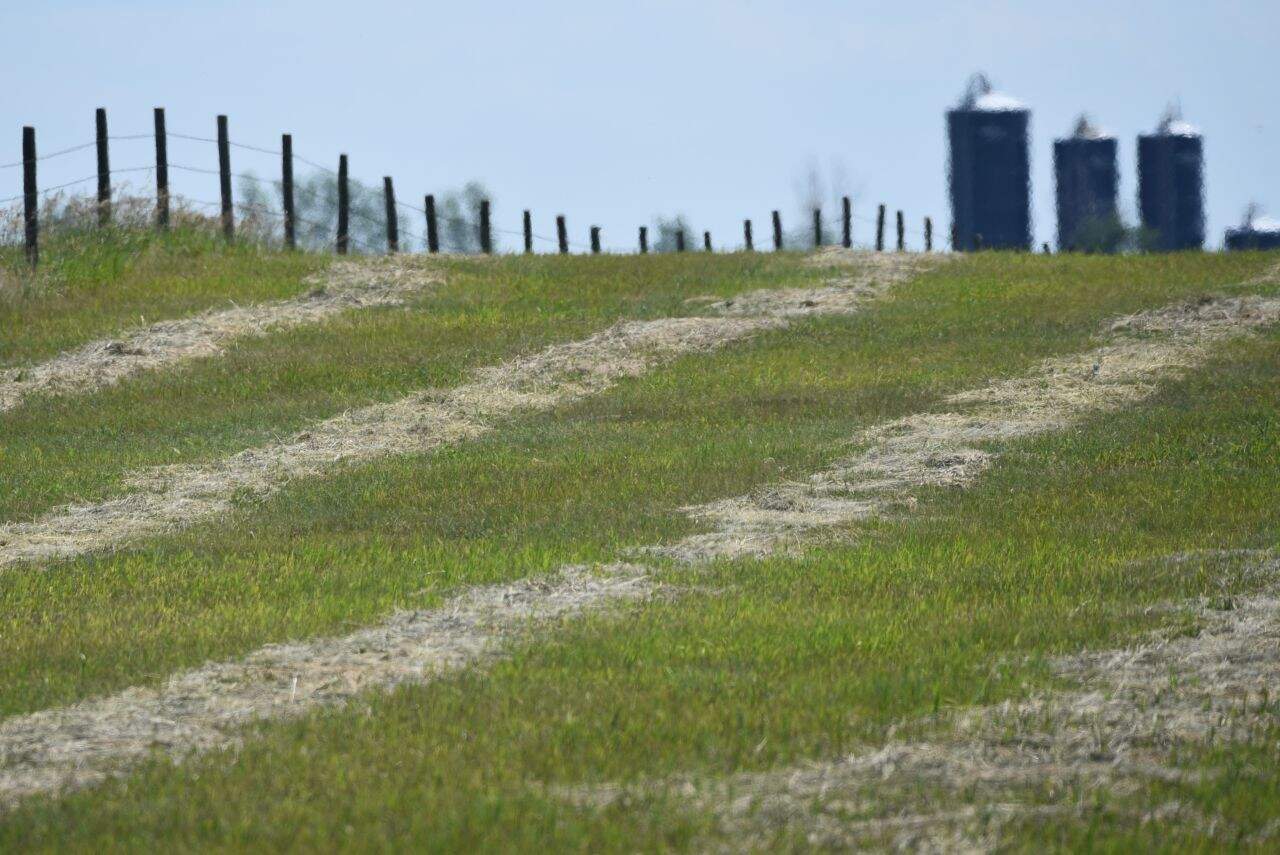
In addition to its historical significance, the Crow Wing Trail offers a rare opportunity to experience the ecology of the Canadian prairies at a walking pace. During summer, the surrounding fields form a shifting mosaic of colour — deep green soybeans, bright yellow canola, and pale wheat sway in the breeze. Wild roses and flowering plants line the gravel roads, adding fragrance and texture to the journey.
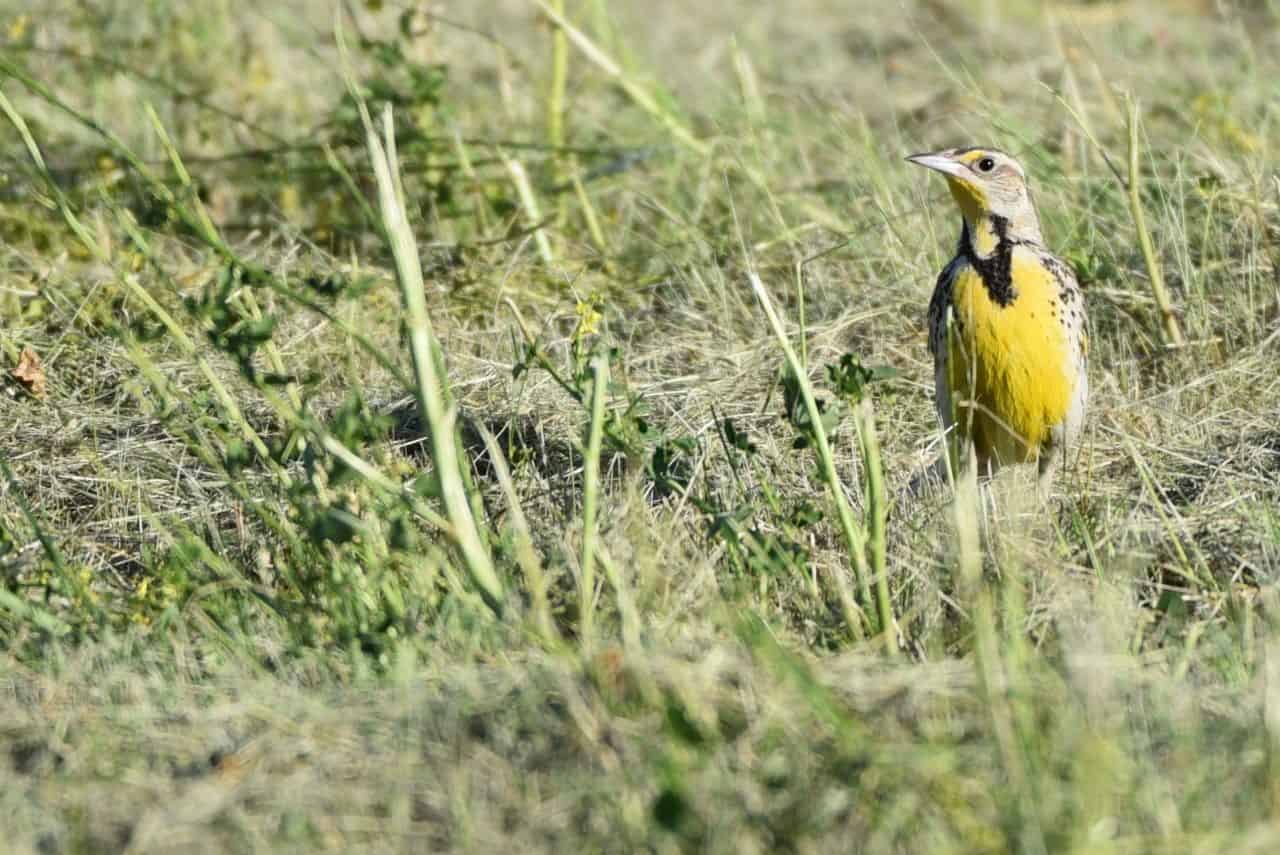
When we walked, wildlife encounters were part of the daily rhythm. We often spotted White-tailed Deer moving through fields at dawn, while wetlands and shelterbelts supported a rich diversity of birdlife. Prairie species such as Western Meadowlarks, Bobolinks, Horned Larks, and Savannah Sparrows were common companions along the route. To our surprise, we even spotted a mother bear and her two cubs on the road one morning.
In addition, the trail offers an opportunity to visit many amazing birding hotspots in Winnipeg before passing through the community of St. Adolphe, known as the Chimney Swift Capital of Manitoba, offers a particularly meaningful wildlife connection, with endangered birds nesting in the chimneys of historic buildings. As a result, for visitors unfamiliar with prairie ecosystems, the Crow Wing Trail provides an immersive and educational introduction to this often-overlooked landscape.



Planning Your Walk on the Crow Wing Trail
Stretching across southern Manitoba, the Crow Wing Trail / Chemin St. Paul is one of the most approachable long-distance walking routes in the province and an ideal introduction to the Canadian Camino experience. With Winnipeg providing an easy northern starting point, most pilgrims and hikers plan a linear walk, staying overnight in the communities spaced along the route from St. Norbert to Emerson, Manitoba.
Accommodations along the Crow Wing Trail include small hotels, bed and breakfasts, campgrounds, and provincial parks. While services are generally available in each community, they can be limited, particularly outside peak summer months, so advance planning and reservations are strongly recommended.
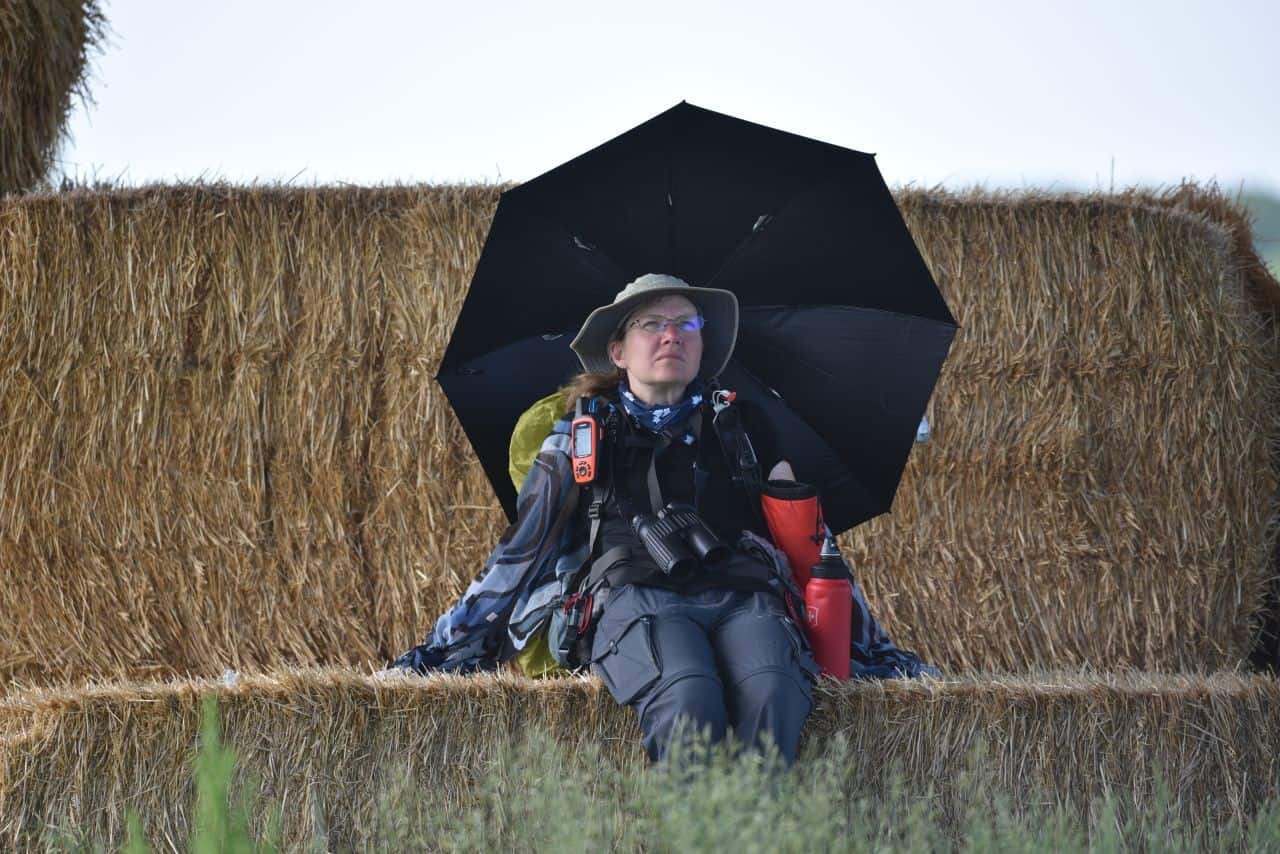
Although the terrain is gently rolling and largely flat, the prairie environment presents its own challenges. Walkers should expect long, exposed sections with minimal shade, variable weather, and distances between resupply points. During our July thru-hike, carrying extra water, wearing hats and sunscreen, and using sun umbrellas were essential for managing heat and sun exposure. In cooler seasons, the same open landscapes can amplify wind and cold, making proper layering and weather protection critical.
Because the Crow Wing Trail follows a mix of quiet rural roads, dikes, and gravel routes, wearing high-visibility clothing is recommended, particularly on road sections. While the trail is generally well marked, we suggest using one of our Top Hiking Apps, downloading GPX tracks in advance, and carrying a backup map for added confidence.
Above all, successful planning means allowing time for what makes this route special: the communities themselves. Slowing down to enjoy local cafés, parks, historic sites, and conversations transforms the Crow Wing Trail from a simple walk into a meaningful pilgrimage. As a result, the Chemin St. Paul offers a relaxed, reflective long-distance journey that balances ease of walking with deep cultural and historical immersion — the essence of a Canadian Camino.

Why the Crow Wing Trail Matters Today
As the longest section of the Trans Canada Trail in Manitoba, the Crow Wing Trail offers something increasingly rare: the chance to travel slowly through a living cultural landscape. Here, pilgrimage unfolds not through crowds or cathedrals, but through attention — to land, weather, and story. Shaped by Indigenous travel routes, Métis trade networks, prairie settlement, and contemporary community life, the Crow Wing Trail/ Chemin St. Paul stands as one of several emerging Canadian Caminos. Alongside routes such as the Stella Maris Camino in Nova Scotia, the Sudbury Camino in Ontario, and the Camino de la Isla on Prince Edward Island, it reflects a distinctly Canadian expression of pilgrimage. Together, these paths offer meaningful alternatives to crowded European routes, inviting reflection, connection, and belonging — and an opportunity to discover the depth of this country, one quiet step at a time.
The Crow Wing Trail / Chemin St. Paul Canadian Camino
Hiking a Pilgrimage Route Southern Manitoba Canada
When you subscribe to the blog, we will send you an e-mail when there are new updates on the site so you wouldn't miss them.
About the author










Comments 2
Cool swing bridge. And crazy the kids used the cable cart system over the river. I watched a documentary recently that showed that kind of set up still used today in some countries!
Liking the bridge too Sonya Richmond and the grotto sounded cool Andrea Horning since we have been there and it brought back memories.