
Seeker Bio
Responsible Birding in Canada: Respectful Etiquette for Ethical Wildlife Travel

Slow Travel, Conservation, and Birdwatching Best Practices Across Canada
Simple, ethical birding practices for low-impact wildlife travel across Canada
A Guide to Respectful Birding Etiquette in Canada is essential reading for anyone who wants to explore this country's wild spaces thoughtfully and responsibly. Across Canada, more travelers than ever are stepping outdoors with binoculars in hand, field guides tucked into backpacks, and cameras at the ready - a reflection of the growing recognition that Canada is one of the best wildlife and birdwatching destinations in the world. From the coastal estuaries of British Columbia and the prairie potholes of Saskatchewan to the under-celebrated birding hotspots in Ontario and the windswept headlands of Atlantic Canada, each region tells its own story through birds. These stories are written in migration routes, seasonal rhythms, and fragile habitats that reward patience far more than speed.
Increasingly, travelers are discovering that birding is more than a checklist or a niche hobby. It is a way of travelling slowly, of learning local ecology, and of connecting with communities that protect these landscapes year-round. Initiatives such as the BC Bird Trail demonstrate how birding can bring together conservation, culture, art, and food, while birding experiences along the Trans Canada Trail invite immersion on foot, by bike, or by paddle. As birding grows in popularity, however, so too does the responsibility to do it well. Respectful birding etiquette ensures that our presence in nature enriches rather than disturbs, protects habitats rather than erodes them, and leaves space - both literal and metaphorical - for wildlife to thrive. Birdwatching is not simply about seeing birds. It is about how we show up in the places they live.
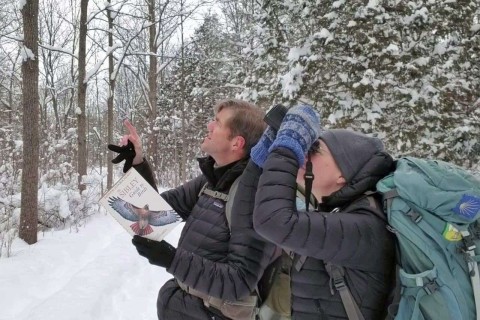
1. Give Birds Space: First Rule of A Guide to Respectful Birding in Canada
When you're traveling to see wildlife, it's natural to feel an urge to get closer when a rare or interesting bird appears before you, especially when that perfect photo feels like it's just within reach. However, it's important to remember that every intrusion into a bird's space costs it energy - energy it needs to survive, especially during spring and fall migrations or during the summer breeding season. Unfortunately, even the most innocuous approach can disrupt a bird's behaviour, causing it to fly off or abandon an area. So, let's make sure we allow wildlife driven encounters, and always give the birds the space they need.
How to Practice:
- Rule of Thumb: If a bird stops feeding, alters its posture or behaviour, or gives out alarm calls, you're too close.
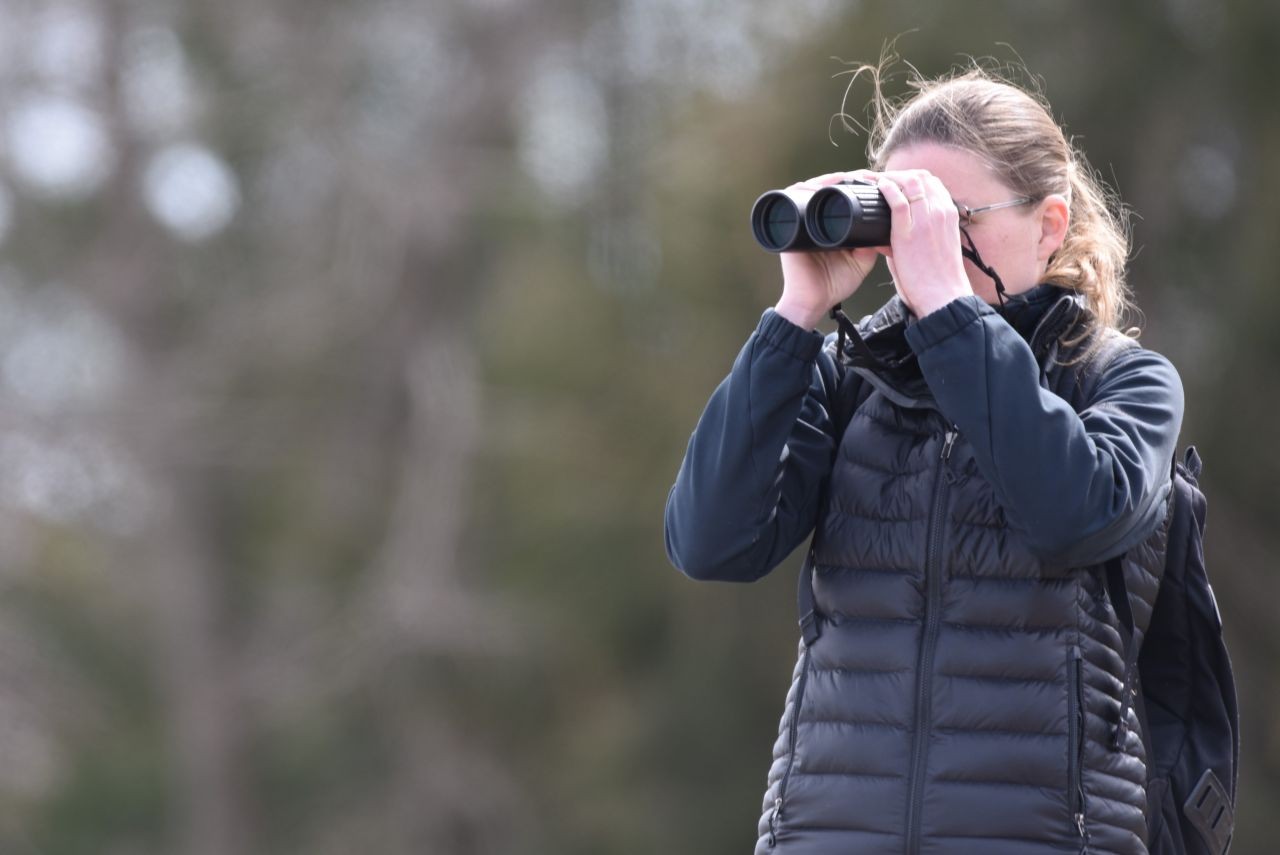
- Use Optics: Binoculars and long-lens cameras allow you to observe intimately without intruding. Tools like those featured in Essential Gear for Birdwatching for Beginners can make a huge difference.
- Respect Resting Birds: Like humans, birds need rest. Don't approach birds that are roosting or resting, as this can weaken their chances of survival.
Imagine stepping into someone's home. Would you want to be crowded, chased, or disturbed while you're resting or eating? Birds deserve the same consideration.
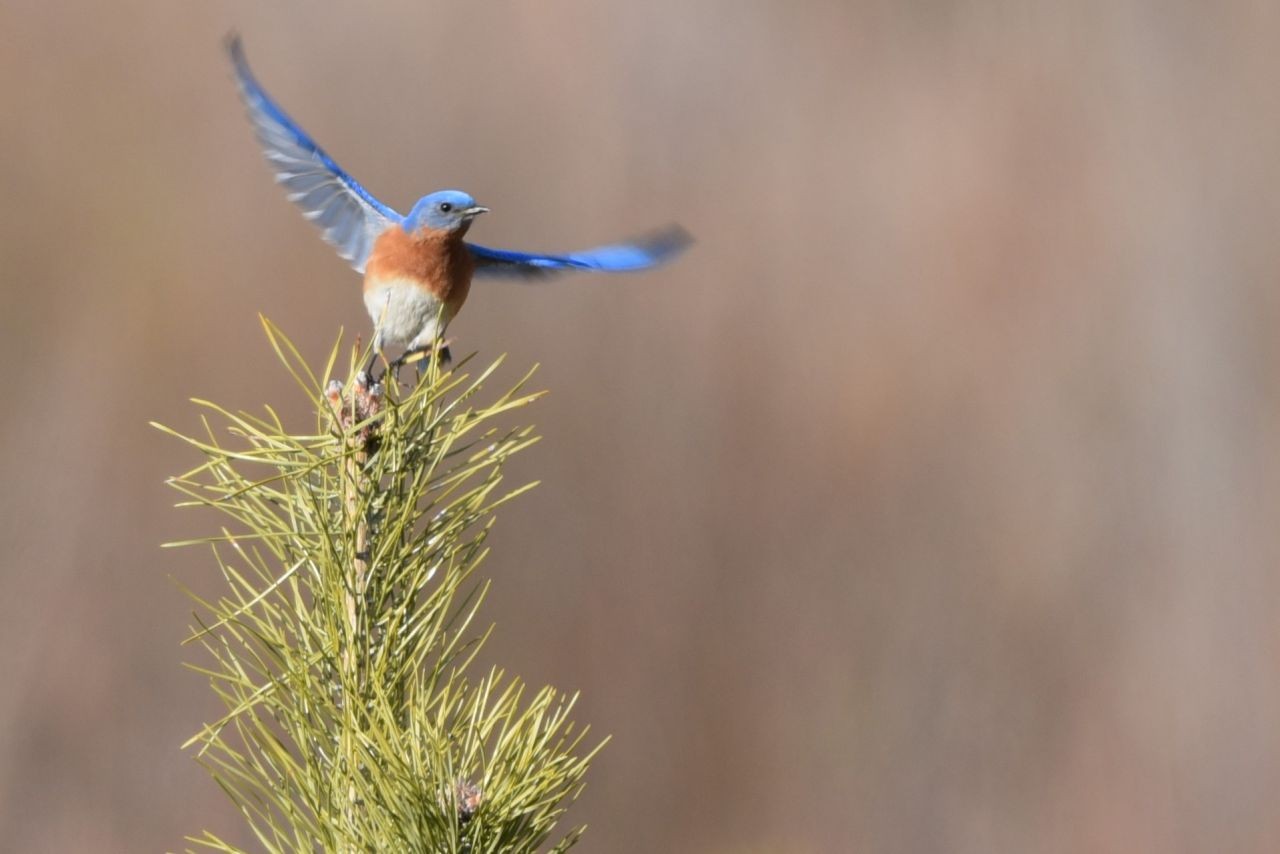
2. Protect Nests and Young: Seasons of Sensitivity
Spring and summer bring an explosion of life - especially for birds, which brings us to the second principle in a guide to responsible birding in Canada. Nesting season is when birds are at their most vulnerable, meaning ethical birdwatchers must practice extra caution. For example, nests are often well camouflaged in tall grasses, shrubs, or trees, and it can be easy to accidentally step on or otherwise damage them before we even realize they are there. In addition, as the eBird birding code of ethics clearly states, even a minor disturbance can cause parents to abandon their young, or can attract the attention of natural predators to the nest.
How to Practice:
- Never approach or photograph nests too closely or handle the young, as this can cause parents to flee, attract natural predators, or cause unintended damage to the nest.
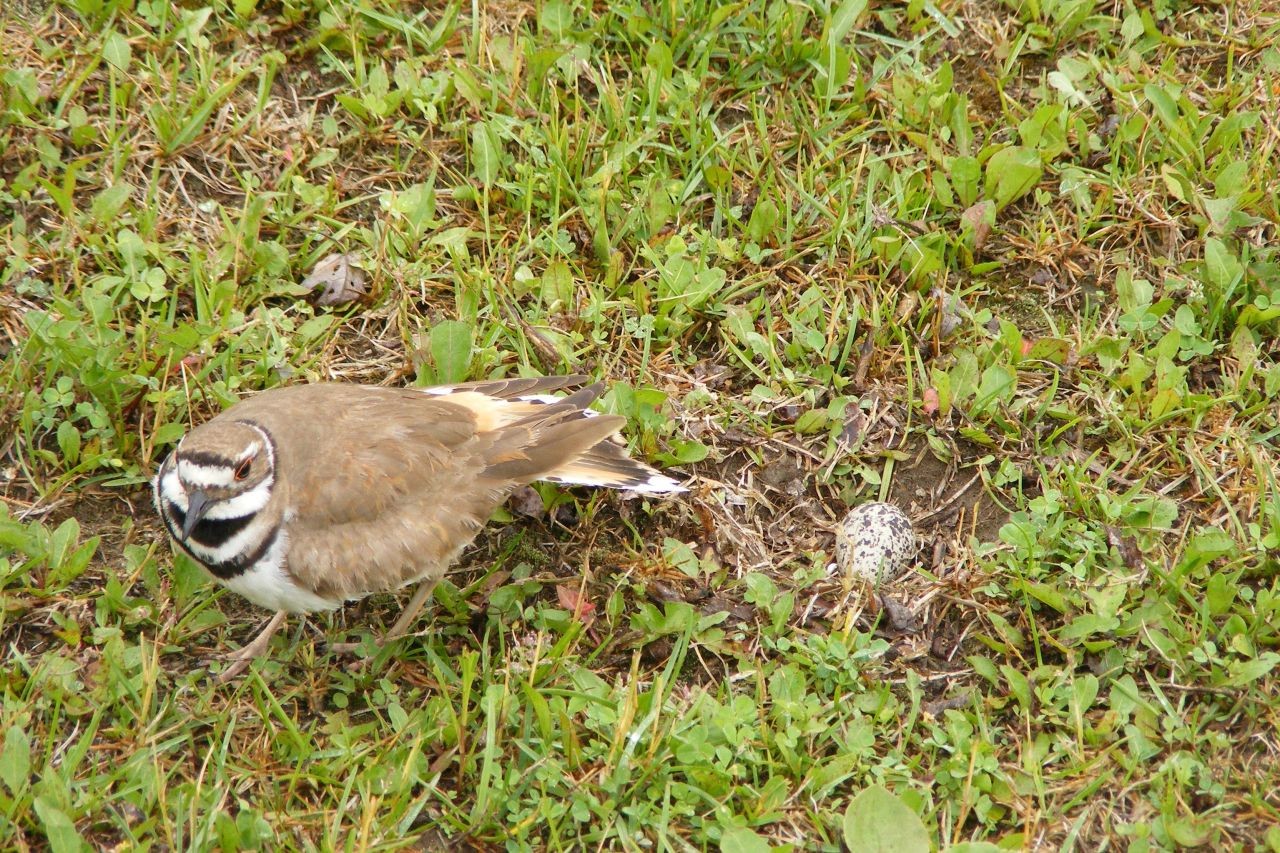
- Stay on designated trails to avoid disturbing or damaging the homes of ground-nesting species like Killdeer, Common Nighthawks, and sparrows.
- Avoid playing bird calls during the breeding season, as this can distract territorial males from their duties and even expose nests to predators.
- Keep cats indoors and keep dogs on a leash, especially when walking on a beach or in tall grasses.
For those looking for lower-impact birding, consider outings in winter or during off-peak seasons when birds are less likely to be nesting. Winter Birding in Canada offers an engaging discussion about the joys and advantages of witnessing birds in winter, especially for those new to bird watching.
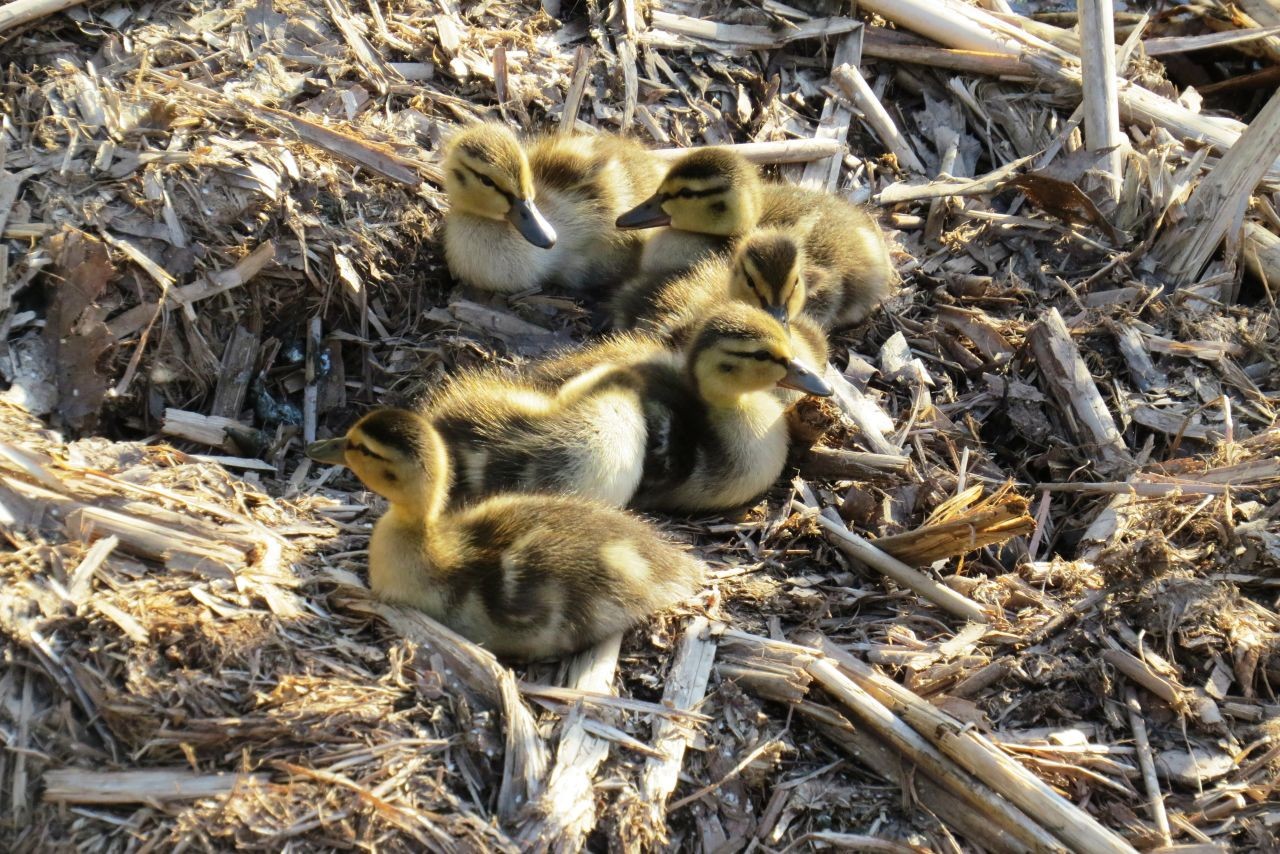
3. Walk Softly on the Land: Protecting Habitats through Ethical Birding
Birding and eco-tourism share one essential principle: tread lightly. Birds depend on intact ecosystems to find food and shelter. In particular, delicate habitats like wetlands, alpine meadows, and marshes, which can be easily damaged by careless human activity, are often vital food sources for many bird species. As a result, even small disturbances like walking off trail or trampling delicate plants can have far-reaching effects. Therefore, the third rule for practicing responsible birdingwatching in Canada is to protect habitats by remaining on trails and in designating wildlife viewing areas.
How to Practice:
- Stay on designated paths to protect sensitive habitats, especially when the ground is wet or muddy.
- Move carefully through wetlands and bogs, as these are essential nurseries for insects and amphibians that birds rely on for food.
- Leave natural materials behind. Feathers, eggshells, pebbles, and fallen branches all play important roles in the ecosystem.
Many of Canada's best birding trails, such as those along the Trans Canada Trail and the BC Bird Trail, encourage respect for both wildlife and the land. Every footprint tells a story of care.
4. Minimize Sound and Light Disturbance: Quiet Observations
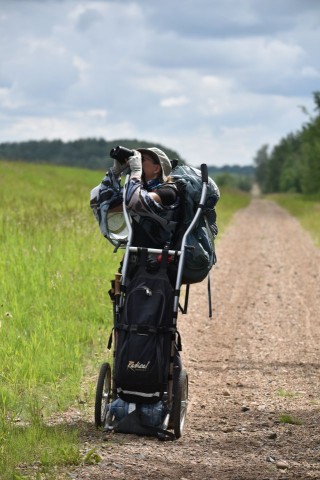
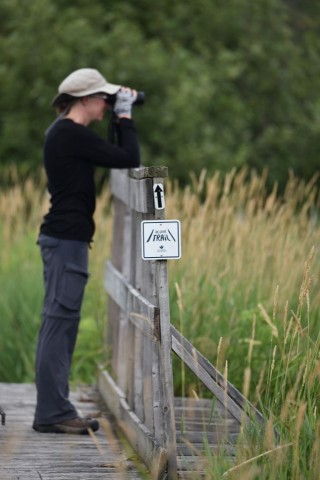
One of the true joys of birding is the ability to listen—whether to the wind rustling in aspen leaves overhead or to the haunting call of a Common Loon echoing across a lake. However, excessive noise from human activity causes birds to scatter, disrupting their feeding and resting behaviours and also making them more difficult to find or observe. In addition, loud noises also create confusion for birds that rely on specific sounds for communication and navigation. Therefore, whether you're walking through a forest, cycling on a trail, or kayaking through wetlands, be mindful of how your actions affect the natural world around you.
How to Practice:
- Keep voices low, conversations quiet, music off, and mobile devices set to vibrate, especially when in birding hotspots or near breeding areas.
- Limit the use of playback calls to lure birds closer. While occasional calls can be educational, constant playback can alter the natural behaviour of birds and cause undue stress if they become convinced there is a rival or predator in their territory.
- Avoid artificial light at night. Many birds, particularly migratory species, are drawn to bright lights and can become disoriented, leading to collisions with buildings.
Quiet sanctuaries like the hotspots found during our cross-Canada hike while Birding the Trans Canada Trail in Alberta are great examples of how silence can enhance your experience and deepen your connection to the land.
5. Respect Private and Indigenous Lands
Canada's landscapes are home to not only diverse wildlife populations but also to rich human history. Furthermore, Indigenous communities that have been on the land for thousands of years are still alive and thriving across the continent, and it is vital to respect their territories. Many birding hotspots, whether on farms, private property, or Indigenous lands, carry stories that go far beyond the natural world. Therefore, it is essential to respect these territories and the cultural significance they hold at all times.
How to Practice:
- Always ask permission before entering private property, even if a rare bird has been reported there.
- Acknowledge Indigenous stewardship, as many of the best birding areas in Canada lie on unceded or treaty lands.
- Support local guides and community initiatives, particularly Indigenous-run birding tours and conservation projects, which strengthen relationships and support sustainable practices.
Stories found in Inspiring Canadian Women on the Trans Canada Trail or Black History on the Trans Canada Trail in Niagara remind us that land is not only home to wildlife but to people whose lives and stories are deeply connected to that same landscape.
"We don't own the planet Earth, we belong to it. And we must share it with our wildlife."
by Steven Irwin
6. Share Wisely: Reporting Rare Birds
The excitement of spotting a rare bird is a powerful experience, but it's essential to be mindful of how and when we share that information. For example, posting rare bird sightings online can draw crowds of birders from across continents, which stresses birds and harms their habitat. As a result, an important part of practicing ethical birding in Canada and elsewhere can be to delay posting about sensitive wildlife sightings, or to refrain from disclosing the precise location of a sighting until the bird has moved on or the nest is no longer active.
How to Practice:
- Think before posting rare sightings online. Is the species sensitive or at risk of disturbance?
- Use reporting apps, like eBird or iNaturalist responsibly. While they contribute to citizen science, they can also spread the locations of sensitive birds widely.
- Teach new birders that the joy of birding isn't just about chasing rarities; it's about observing and experiencing the wonder of nature in a responsible way.

7. Dogs, Drones, and Other Disturbances
Birdwatching often overlaps with other outdoor activities, but some of these can unintentionally disrupt birding experiences. For example, while the wildlife impacts of hiking, biking, camping, and skiing can usually be minimized through mindful action, bringing dogs, drones, and recreational vehicles into the wild can stress birds. Minimizing these activities can be especially important when wildlife is already sensitive due to nesting or migration.
How to Practice:
- Keep dogs on leashes at all times. Even the friendliest pet can trigger alarm calls and potentially destroy nests with a single playful leap.
- Avoid drones near wildlife. Drones resemble predators to birds, causing panic and potential nest abandonment.
- Plan ahead and use tools like Top Hiking Apps for Trails in Canada to navigate bird-friendly routes that minimize disruption to wildlife.
8. Practice Leave No Trace: Keeping Birding Trails Clean and Wild
The principles of Leave No Trace (LNT) aren't just for camping or hiking—they apply to birdwatching as well. While birding, we must be mindful of our footprints, ensuring that we leave the land as beautiful as we found it. Littering or disturbing wildlife not only harms ecosystems, but it also detracts from the very experience we cherish. Therefore, taking care of the trails, respecting wildlife, and leaving no trace ensures that future generations can enjoy these same spaces.
How to Practice:
- Pack out everything you bring in—whether it's trash, food wrappers, or even uneaten bird seed.
- Avoid disturbing fragile environments like wetlands, where even small changes can have significant impacts.
- Leave natural materials like feathers or nests in place, as they provide important ecological benefits to the local wildlife.
9. Support Bird Conservation: Giving Back to the Land and Its Creatures
As birdwatchers, we are all stewards of the land, even when traveling to new places for wildlife viewing or birdwatching. Therefore, with rising threats to bird populations from habitat loss, climate change, and human activity, it's crucial to support conservation efforts that protect these magnificent creatures and their habitats. You don't have to be a scientist to make a difference—simple actions like donating to birding organizations, volunteering with local groups, or spreading awareness about conservation can have a lasting impact.
How to Practice:
- Support conservation efforts by donating to organizations like BirdLife International or the Canadian Wildlife Federation.
- Participate in local clean-up events to protect bird habitats from pollution.
- Educate others about the importance of preserving natural spaces and the role birds play in maintaining ecological balance.

10. Embrace the Power of Patience: Slow Birding for Deeper Connections
Birding is often about stillness, waiting, and patience. Unlike the fast-paced nature of modern life, responsible birdwatching requires us to slow down and truly be in nature. Patience isn't just about waiting for that rare bird to appear—it's about deepening our connection with the rhythms of the land. The longer we sit quietly, the more we observe, whether it's the subtle flicker of a finch's wing or the soft sound of a woodpecker in the distance.
How to Practice:
- Take your time in one spot; set up your observation point and stay still.
- Appreciate the smaller birds and quieter moments—they can be just as rewarding as spotting a rare species.
- Use this time for mindfulness, reflecting on the landscape and the intricate balance of life happening all around you.

Final Reflections
Birding is about more than seeing birds; it's about experiencing the deep connection between the land, the creatures, and ourselves. Respectful birding etiquette isn't a checklist - it's a way of being. It encourages us to slow down, to notice the little things: the curve of a shoreline, the rustle of leaves, or the whisper of a bird's wings. In a world that moves fast, birding can teach us to move with patience, humility, and mindfulness. By respecting the land and its creatures, we help protect these ecosystems for generations to come—ensuring that future birdwatchers, too, will have the chance to experience the beauty of Canada's diverse birdlife.
Responsible Birding in Canada: Tips for Ethical Wildlife Travel
Protecting Birds and Habitats Through Responsible Birding Equiette in Canada
Travel Guide
-
British Columbia
When you subscribe to the blog, we will send you an e-mail when there are new updates on the site so you wouldn't miss them.
About the author










Comments 6
My Nikon D810 died in the water last fall so too did my birding setup. I still have the 150-600 lens with no camera. Time to switch to Fuji.
These are great, practical birding tips (and the photos are beautiful!) - thanks for putting these together! I will be sure to share on my socials this spring when the campers are getting back out there. Another family friendly activity for everyone to enjoy.
Thomas Worsley Our sympathies - it is really tough when camera gear dies. I'm curious - why Fuji? Is there something we should know?
Just like to be different mainly. I'm tired of Nikon, and the Fuji X H2 is one of the best multi-function video/photo cameras with a 40 megapixel sensor and 8K video and with a 16-80mm lens its only $3199.00, and another $2549.00 for a 150-600 wildlife lens. Shhhh, don't tell Cheryl.
Anja Cahill Thank Anja! We really appreciate it! Anything we can all do to help nature thrive is so worthwhile, and it helps add purpose to our travels too. Happy birding!
That's an amazing photo capturing the Killdeer with egg!