 Region :
Join Us
Join Us


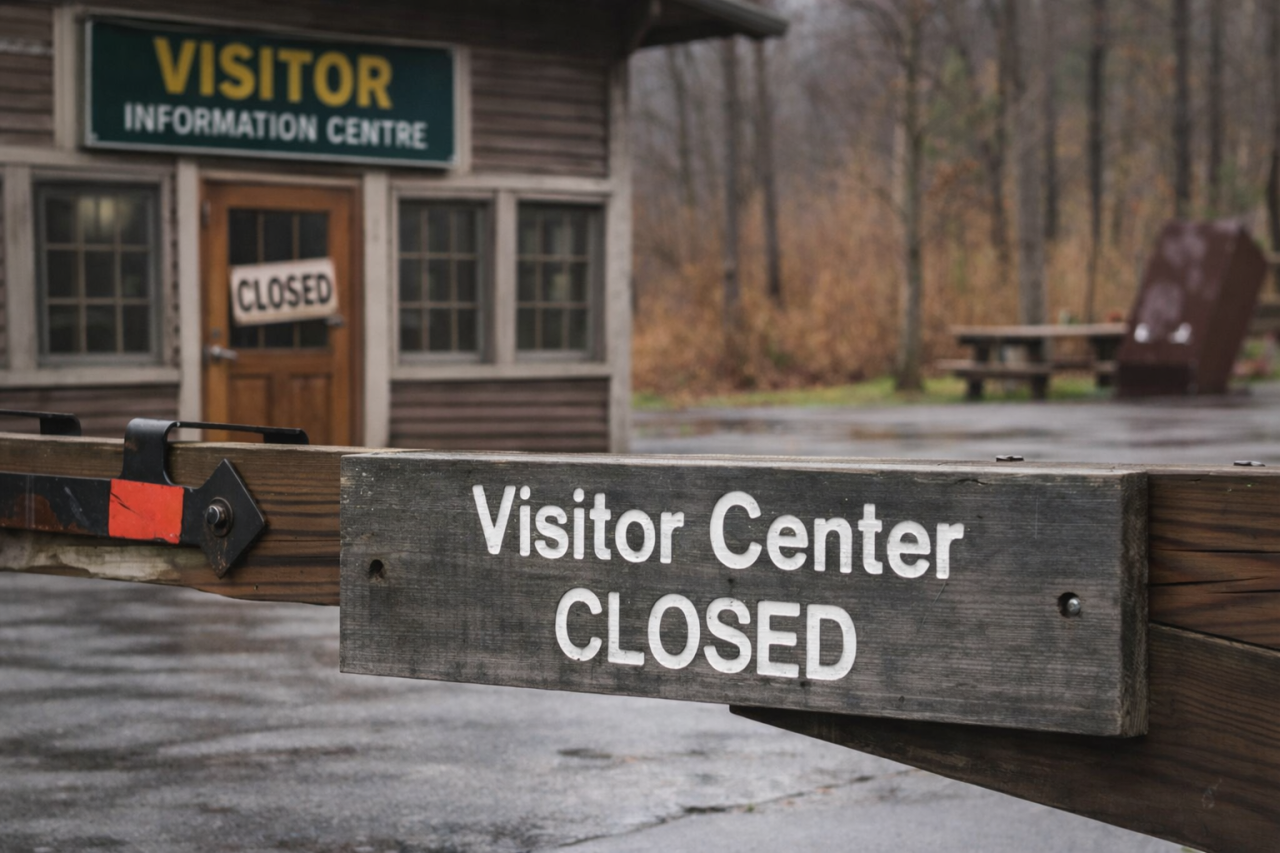
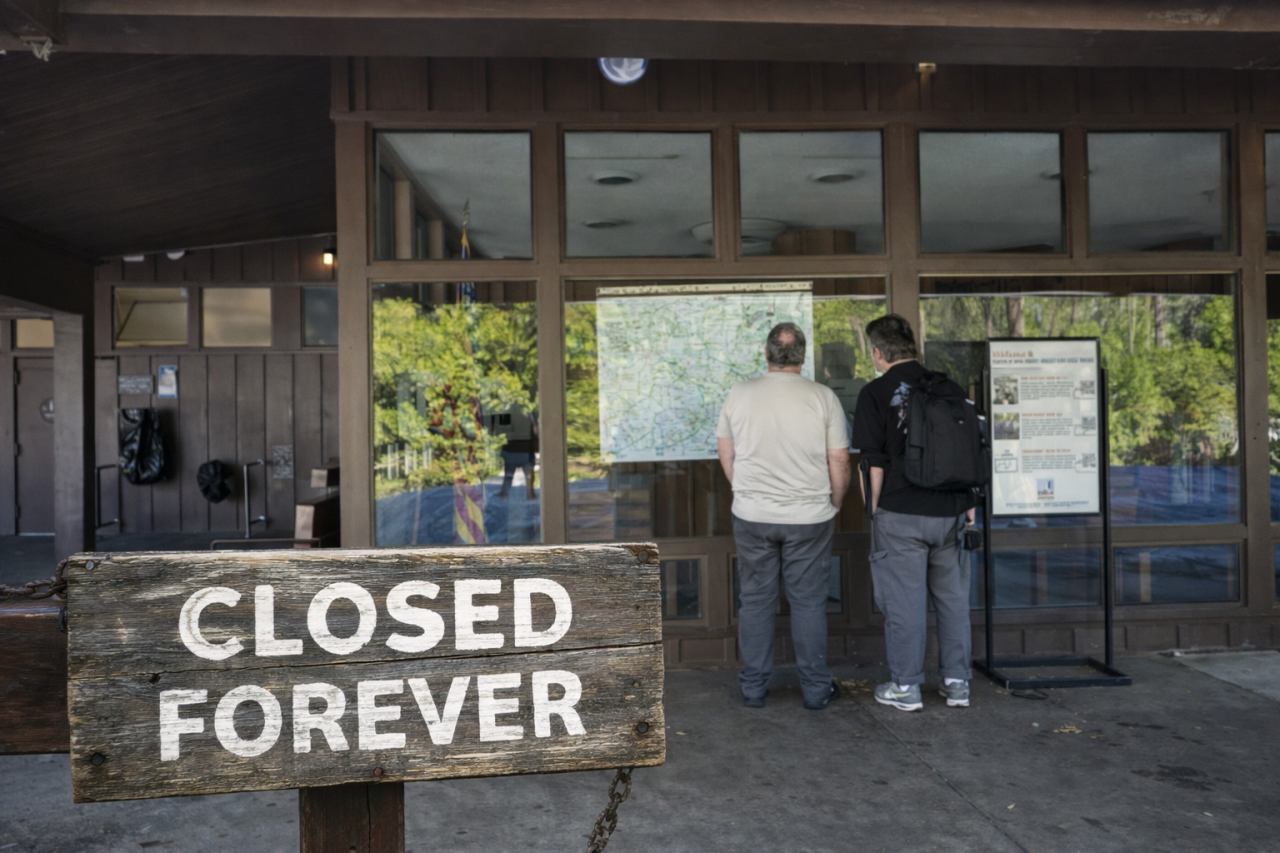
The recent closure of another visitor centre in Kimberley, BC, Canada (pop 8100+) is a warning sign for others. This is not the first to close, nor will it be the last. So... the question to ask ourselves is, "Are small-town visitor centres still relevant?" Actions show that small-town visitor centres are losing relevance because travellers now plan trips online before arriving. This article explains why they are closing and how they can pivot to stay useful, including practical strategies, digital tools, and revenue ideas.
Visitor centres were once essential stops. I remember the day we used to stop at every one of them to find good trails and camping spots. Today, many sit empty while travellers rely on phones for directions, reviews, and bookings. This shift impacts local economies, especially in rural communities that depend on tourism. This article is for tourism operators, municipalities, and destination marketers who need practical ways to adapt. It focuses on clear, realistic changes that can help centres remain relevant and financially viable. But, they have to be willing to change?
Small towns across Canada and similar rural regions
Best time to pivot: Pre-season planning (winter/spring)Visitor centres are closing because the way people travel has changed. How they process travel. How they research travel. How they book travel. Change! Change? Change.
The result is a mismatch between what centres offer and what travellers need.
They need to evolve into experience hubs, not information desks.
Key shifts include:
This repositioning aligns with how modern travellers behave.
A practical transition includes several steps:
1. Build an experience hub
2. Go digital-first
3. Create content daily
4. Develop retail and local marketplace
5. Extend beyond the building
6. Track real outcomes
These steps turn the centre into an active driver of tourism.
Are visitor centres still worth funding?
Yes, but only if they evolve. Centres that generate bookings, support local businesses, and provide real-time value can justify funding. Static information desks are harder to defend.
What is the biggest mistake visitor centres make?
Focusing on brochures instead of experiences. Travellers already have information; they need help taking action.
How can small towns afford to pivot?
Start small. Use QR codes, partner with local businesses, and train staff differently. Many changes are low-cost but high impact.
Do travellers still use visitor centres at all?
Some do, especially older travellers or those already in town. However, the majority rely on mobile tools before arrival.
What should staff roles look like now?
Staff should act as local experts and storytellers. Their role is to inspire, guide, and help visitors book experiences.
Can visitor centres make money?
Yes. Through commissions, retail sales, and partnerships, they can shift from cost centres to revenue contributors.
Small-town visitor centres are not obsolete, but their traditional model is. Shifting to experience-based, digital-first operations allows them to stay relevant and support local economies. With the right changes, they can become essential again—just in a different form.
When you subscribe to the blog, we will send you an e-mail when there are new updates on the site so you wouldn't miss them.










Comments 1
I love a good small town visitor center!